Beyond the Longest Day: How Solstice Rituals Can Help You Sync with the Earth's Deepest Rhythms
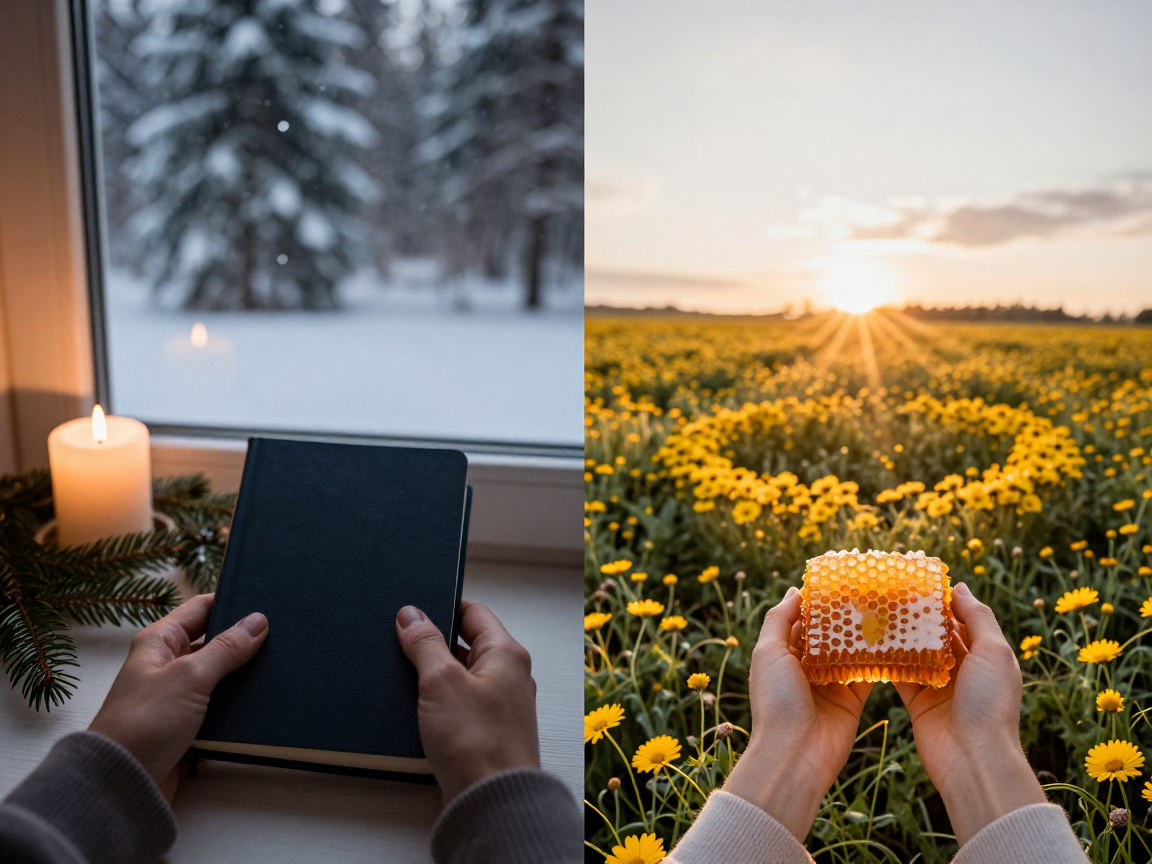
In our modern, climate - controlled existence, it is easy to forget that we are biological beings governed by the movement of the celestial spheres. We wake to buzzing alarms rather than the sun, and we work under LED lights that never flicker or fade. This disconnect from the natural world often leaves us feeling untethered, anxious, and out of sync with our own internal rhythms. Solstice rituals offer a profound way to bridge this gap, inviting us to pause twice a year at the moments of extreme light and extreme shadow. These rituals are not just historical curiosities or aesthetic trends; they are vital tools for psychological grounding and spiritual renewal.
The word solstice comes from the Latin 'solstitium', meaning 'sun stands still'. For a few days each year, the sun appears to pause in its seasonal journey before reversing its course. To our ancestors, this was a terrifying and holy occurrence. Today, while we understand the axial tilt and orbital mechanics behind the phenomenon, the emotional resonance remains. Engaging in solstice rituals allows us to acknowledge that life is not a linear sprint, but a grand, repeating circle. By aligning our personal intentions with the macro-movements of the Earth, we find a sense of belonging that is rarely offered by the digital world.
The Primal Pull of the Sun and Earth
There is a reason why solstice rituals appear in nearly every culture across human history, from the stone circles of the British Isles to the solar temples of the Americas. Humans have always looked to the sky to understand their place on the ground. The solstice represents the peaks - the maximum of the light and the maximum of the dark. These extremes serve as a mirror for our own inner lives. We all experience seasons of high visibility, productivity, and 'summer' energy, just as we experience seasons of grief, introspection, and 'winter' dormancy.
When we ignore these cycles, we risk burnout. We try to live in a state of permanent summer, pushing ourselves to be productive and social every single day of the year. Solstice rituals act as a necessary intervention. They force us to ask: What am I harvesting now? What am I letting go of? What is gestating in the dark? By asking these questions, we give ourselves permission to slow down or to celebrate, depending on what the Earth is doing outside our window.
Designing Your Own Solstice Rituals
Ritual does not have to be complicated or dogmatic to be effective. In fact, the most powerful solstice rituals are often the ones that feel most personal to your current life circumstances. A ritual is simply an action taken with deep intention. It is the difference between lighting a candle because the power went out and lighting a candle to symbolize the return of hope. To design a meaningful practice, you must first understand the specific energies of the two solstices.
The Winter Solstice: Honoring the Quiet
The Winter Solstice is the shortest day and the longest night. It marks the 'rebirth of the sun' as the days begin to lengthen once more. Traditionally, this is a time for deep introspection and rest. In the natural world, the seeds are underground, silent and still. Solstice rituals for winter should reflect this stillness. It is a time to look inward and confront the 'shadow' aspects of our lives - those things we usually keep hidden or ignored.
Consider rituals that involve fire and darkness. Sitting in a completely dark room for ten minutes before lighting a single candle can be a visceral way to experience the transition from dark to light. It is a moment to set intentions for the coming year, not as loud New Year's resolutions, but as quiet prayers whispered into the womb of the winter night.
The Summer Solstice: Honoring the Fire
Conversely, the Summer Solstice is the peak of outward energy. The sun is at its highest point, the earth is lush, and life is in full bloom. This is a time of abundance, celebration, and vitality. Solstice rituals for the summer are often more social and energetic. They focus on the 'harvest' of our hard work and the celebration of our successes.
Traditional summer rituals often involve herbs, flowers, and outdoor gatherings. This is the time to build a sun altar with yellow flowers like sunflowers or marigolds, to dance, or to watch the sunrise from a high vantage point. It is a moment to ask: How can I share my light with the world? What has come to fruition in my life since the winter?
A Step-By-Step Solstice Ritual Framework
If you are new to seasonal living, you might feel unsure of how to structure your time. Use this four - part framework to create a cohesive experience that engages your mind, body, and spirit. This structure works for both the summer and winter solstices; you simply adjust the theme of your intention.
- The Physical Cleansing: Before beginning any ritual, it is helpful to clear your physical and energetic space. This could be as simple as tidying your room, taking a ritual bath with Epsom salts and essential oils, or using a bell or incense to 'clear' the air. The goal is to signal to your brain that you are entering a sacred time.
- The Invocation of Space: Create a focal point. If you have an altar, place items on it that represent the season. For winter, use evergreens, pinecones, and white candles. For summer, use citrus fruits, bright flowers, and gold accents. Spend a few moments in silence, acknowledging the transition of the sun.
- The Core Action: This is the heart of your solstice rituals. Choose one action that symbolizes your intent.
- To release: Write down what you want to leave behind on a piece of paper and safely burn it.
- To manifest: Plant a seed in a pot, speaking your goals into the soil.
- To honor: Create a 'nature mandala' out of stones and leaves in a local park.
- The Integration and Closing: Never end a ritual abruptly. Allow yourself time to sit with the feelings that arose. You might journal for fifteen minutes or drink a cup of herbal tea while gazing at your candles. Formally close the space by saying a phrase like 'And so it is' or simply giving thanks to the earth for its consistency.
5 Sacred Elements for Your Next Solstice
To add depth to your practice, you can incorporate specific elements that resonate with the solar cycles. These items act as tactile anchors, keeping your focus on the present moment.
- The Candle or Hearth Fire: Fire is the ultimate solar symbol. In winter, it represents the returning sun; in summer, it represents the sun's peak power. Always practice fire safety, but do not underestimate the power of a flickering flame to induce a meditative state.
- Seasonal Flora: Bringing the outside in is a core component of solstice rituals. Use holly, ivy, and pine in the winter to represent the endurance of life through the cold. Use ferns, roses, and lavender in the summer to represent the height of beauty and growth.
- The Written Word: Journaling is perhaps the most effective way to process the transitions of the year. Write a 'Letter to the Dark' in December and a 'Hymn to the Light' in June. Seeing your thoughts on paper makes the abstract cycles of time feel concrete.
- Communal Food: Sharing a meal is a ritual in itself. For the winter solstice, focus on root vegetables, stews, and warming spices like cinnamon. For summer, focus on fresh berries, honey, and crisp greens. Eating seasonally is one of the easiest ways to align your body with the earth's current state.
- Silence: In our noisy world, intentional silence is a radical act. Dedicate a portion of your solstice day to 'The Great Quiet'. Turn off your phone, close your laptop, and simply listen to the world around you. You will be surprised at what the seasons have to tell you when you are finally quiet enough to hear them.
Why Ritual Matters in a Digital Age
We live in an era of 'time famine', where we feel we never have enough hours to complete our tasks. This feeling of scarcity often stems from our detachment from the natural pace of the world. Nature never rushes, yet everything is accomplished. By observing solstice rituals, we reclaim our time. We step out of the frantic, linear 'chronos' time of deadlines and into the 'kairos' time of the soul - the deep, qualitative time where healing and transformation occur.
Furthermore, these rituals provide a sense of agency. We cannot control the global economy, the news cycle, or the weather, but we can control how we show up for the turning of the year. We can choose to honor the darkness rather than fearing it. We can choose to celebrate the light rather than taking it for granted. This shift in perspective is the true power of solstice rituals. They remind us that even when the world feels chaotic, there is an underlying order that has persisted for billions of years.
Living the Solstice Every Day
While the solstice occurs only twice a year, the lessons we learn from these rituals can be integrated into our daily lives. Seasonal living is about awareness. It is about noticing the way the light hits your kitchen floor in July versus how it hits it in January. It is about understanding that you are allowed to have 'winter' days where you need more sleep and 'summer' days where you feel you could conquer the world.
As you begin to build your own tradition of solstice rituals, remember that there is no 'right' way to do it. The earth does not care if your altar is fancy or if your candles are expensive. The earth only cares that you are paying attention. By stopping to acknowledge the sun's pause, you allow yourself to pause as well. In that stillness, you might just find the clarity and peace you have been searching for all year long. Let the turning of the wheel be your guide, and let the seasons teach you the art of beginning again.