Why You Feel Exhausted Even After Resting: Understanding and Fixing Social Media Energy Drain
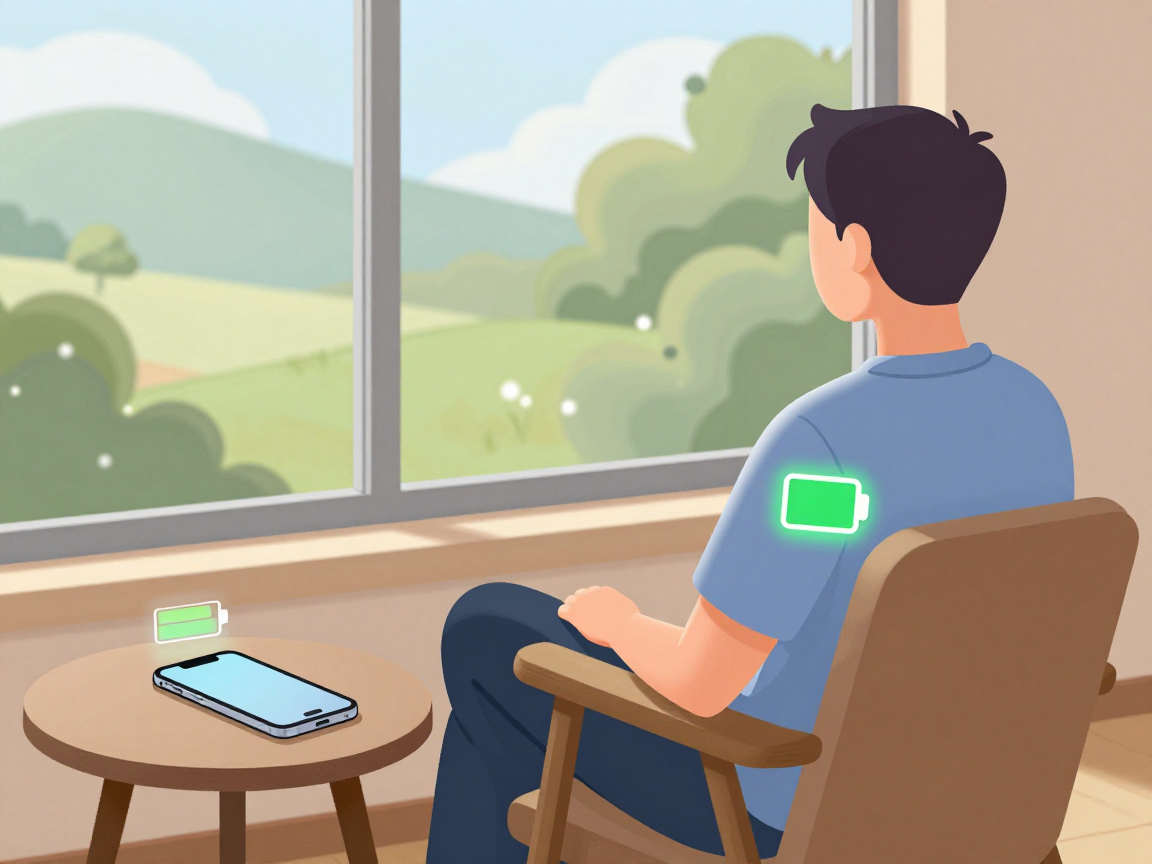
We have all been there. You finish a long day of work or chores, and all you want to do is sit on the couch and switch off your brain. Naturally, you reach for your phone. You spend forty-five minutes scrolling through a seamless loop of short-form videos, news updates, and curated photos of people you haven’t spoken to in a decade. Yet, when you finally lock your screen, you don’t feel rested. In fact, you feel heavier, more irritable, and strangely depleted. This phenomenon is a very real psychological tax known as social media energy drain, and it is quietly sabotaging our ability to truly recover from the stresses of daily life.
While we often categorize scrolling as a form of leisure, our brains experience it as a high-intensity cognitive task. We are processing thousands of micro-decisions per minute—whether to like a post, whether to read a comment thread, or how to react to a polarizing headline. This constant stream of information creates a persistent state of low-level alertness that prevents the nervous system from entering a genuine state of rest. Understanding the mechanics of social media energy drain is the first step toward reclaiming your mental sovereignty and finding a version of rest that actually works.
The Neurobiology of the Infinite Scroll
To solve the problem of social media energy drain, we must first understand why it happens. It isn’t just about the time spent on these platforms; it is about the specific way these interfaces interact with our biology. Human brains were not evolved to process the life updates, tragedies, and achievements of thousands of people simultaneously. When we engage with social media, we are essentially forcing our hunter-gatherer hardware to run a hyper-complex global simulation in real time.
One of the primary drivers of this fatigue is decision fatigue. Every time you scroll past a post, your brain makes a split-second evaluation: Is this important? Is this a threat? Is this person doing better than me? Is this funny? Even if these thoughts are subconscious, they consume glucose—the fuel our brains use for self-control and focus. By the time you have scrolled for an hour, you have depleted your cognitive reserves, leaving you feeling "brain fogged" and incapable of making simple decisions for the rest of the evening. This is a hallmark of social media energy drain: you feel too tired to do something productive, yet too wired to actually sleep.
Furthermore, the dopamine loop plays a significant role. Social media platforms are designed as "variable reward systems," much like slot machines. You don’t know if the next swipe will provide a hit of laughter, a spark of anger, or a boring advertisement. This uncertainty keeps the brain’s reward system in a state of hyper-arousal. Constant dopamine spikes followed by immediate crashes create a cycle of neurological wear and tear that leaves you feeling hollowed out by the end of the day.
Why Your Brain Can’t Process "Context Switching"
Another major contributor to social media energy drain is the phenomenon of context switching. In a traditional setting, if you were reading a book about history, your brain would stay in a "history" context for an hour. On social media, you might see a video of a war zone, followed immediately by a recipe for sourdough bread, followed by a political rant, followed by a puppy.
Each of these shifts requires the brain to reorient its emotional and cognitive filters. This rapid-fire emotional labor is staggering. We experience "empathy spikes" as we jump from a friend’s baby announcement to a global catastrophe, then to a comedic skit, all within thirty seconds. This rapid cycling prevents us from fully processing any single feeling, leading to a state of emotional numbness. The brain simply cannot keep up with the emotional demands of the digital world, resulting in a deep, internal exhaustion that sleep alone cannot fix.
The Social Comparison Tax
At the heart of social media energy drain lies the Social Comparison Theory. Before the digital age, we compared ourselves to our immediate neighbors or coworkers. Today, we compare our "behind-the-scenes" footage with everyone else’s "highlight reel." This creates a persistent sense of inadequacy that is exhausting to maintain. Even when we aren’t consciously thinking "I wish I had that," our nervous systems are often reacting to the perceived gap between our reality and the digital perfection on the screen.
This comparison isn’t just about wealth or beauty; it is about productivity, parenting, and even "wellness." Seeing others engage in elaborate self-care routines can ironically make us feel like we are failing at relaxing. This "meta-stress"—feeling stressed about how we manage our stress—is a significant contributor to the drain. We are performing our lives for an invisible audience, and that performance requires a level of energy that we simply do not have to spare. When we live for the lens rather than the moment, we lose the restorative power of presence.
7 Warning Signs You Are Experiencing Social Media Energy Drain
If you aren’t sure whether your fatigue is related to your digital habits, look for these common indicators:
- The Phantom Scroll: Reaching for your phone without a specific purpose or even realizing you are doing it.
- Increased Irritability: Feeling snappy or short-tempered with family or friends after spending time on an app.
- Difficulty Concentrating: Finding it hard to read a book or watch a full movie without checking your notifications.
- Physical Tension: Noticing a tight jaw, hunched shoulders, or "tech neck" ache after a session on your phone.
- Delayed Sleep (Revenge Bedtime Procrastination): Staying up much later than intended because you are caught in a "doomscroll" loop.
- A Sense of "Greyness": Feeling like the real world is less vivid or interesting than the digital world.
- Social Withdrawal: Feeling too exhausted to engage in real-life conversations because your "social battery" was drained by digital interactions.
The Digital Sovereignty Framework: 5 Steps to Reclaiming Your Focus
Breaking the cycle of social media energy drain requires more than just willpower; it requires a structured approach to how we interact with technology. Use the following framework to reset your relationship with your devices and protect your mental energy.
1. The Digital Audit
Before you can change your habits, you must see them clearly. Most smartphones have built-in screen time trackers. Spend one week observing your patterns without judgment. Look for "energy leaks"—those specific times of day when you go into a social media hole and come out feeling worse. Are you scrolling in the morning before your feet even hit the floor? Are you using it to avoid a difficult work task? Identifying these triggers is essential.
2. Radical Pruning
You do not owe anyone your attention. If an account consistently makes you feel "less than," annoyed, or exhausted, unfollow it. If you cannot unfollow for social reasons, use the "mute" function. Your feed should be a tool for inspiration or genuine connection, not a source of social media energy drain. Aim to curate a digital environment that feels like a quiet library rather than a chaotic carnival.
3. Establish "No-Fly" Zones
Energy protection is about physical boundaries. Designate specific areas of your home or times of the day as "device-free." The first hour of the morning and the last hour before bed are the most critical. When you start your day with social media, you are letting the world’s priorities hijack your brain before you have even had a chance to check in with yourself. Instead, use these windows for "analog" activities like stretching, journaling, or simply staring out a window.
4. The Replacement Strategy
You cannot simply remove a habit; you must replace it. When the urge to scroll hits, ask yourself: "What do I actually need right now?" Often, we scroll because we are bored, lonely, or tired. If you are bored, try a hobby that uses your hands. If you are lonely, send a direct text to a friend instead of scrolling their feed. If you are tired, actually lie down and close your eyes. Replacing the "junk food" of social media with "high-nutrition" activities will help heal the social media energy drain.
5. The 24-Hour Reset
Once a week, try to spend a full twenty-four hours away from social media. This allows your nervous system to fully recalibrate. You might feel a sense of anxiety or "FOMO" (fear of missing out) for the first few hours, but this is usually followed by a profound sense of clarity and a boost in natural energy. It reminds your brain that the world continues to turn even when you aren't watching it through a screen.
Practical Strategies for Analog Restoration
One of the most effective ways to combat social media energy drain is to rediscover the joy of the "Analog Hour." This is a dedicated block of time where you engage in the physical world without the mediation of a camera or a screen. Whether it is cooking a meal from scratch, gardening, or walking in nature, these activities ground us in our bodies.
When we move from the digital to the physical, we engage our primary senses—touch, smell, and taste—which are often neglected in the two-dimensional world of apps. Social media keeps us in our heads—a space that is often loud, crowded, and judgmental. Moving into the body allows the prefrontal cortex to rest. When you focus on the tactile sensation of soil in a garden or the smell of garlic in a pan, you are engaging your senses in a way that provides true restoration. This is the antithesis of the digital drain; it is an "energy fill" that builds resilience against the demands of the modern world.
Navigating the Algorithm of Outrage
It is also important to recognize that social media platforms are designed to keep us engaged by triggering our survival instincts. Content that sparks anger or fear travels faster and stays longer than content that brings peace. This "Algorithm of Outrage" is a massive contributor to social media energy drain. Every time we engage with a heated debate or a terrifying news story, our bodies release cortisol—the stress hormone. Over time, this "chronic digital stress" leads to burnout.
To counter this, we must become "conscious consumers." Before engaging with a provocative post, ask yourself: "Is this worth my energy?" Most of the time, the answer is "no." By choosing where to direct your focus, you take the power back from the algorithm and preserve your vital energy for the things that actually matter in your real life. This intentionality is the ultimate shield against the depletion of the digital age.
Conclusion: Choosing Presence Over Presentation
We live in an era where our attention is the most valuable commodity on earth. Companies spend billions of dollars trying to figure out how to keep us staring at our screens for just a few more seconds. In this environment, protecting yourself from social media energy drain is an act of self-preservation. It is a choice to value your inner peace over your digital presence.
You do not have to delete every app or move to a cabin in the woods to find relief. You simply need to move from a state of passive consumption to a state of active intentionality. By setting boundaries, pruning your digital environment, and reclaiming your physical world, you can turn your phone back into what it was always meant to be—a tool, rather than a tether. When you finally break the cycle of the drain, you will find that you have more energy, more focus, and a much deeper capacity for the life that is happening right in front of you.