Why You Still Wake Up Tired: A Grounded Guide to Mastering Sleep Hygiene Habits
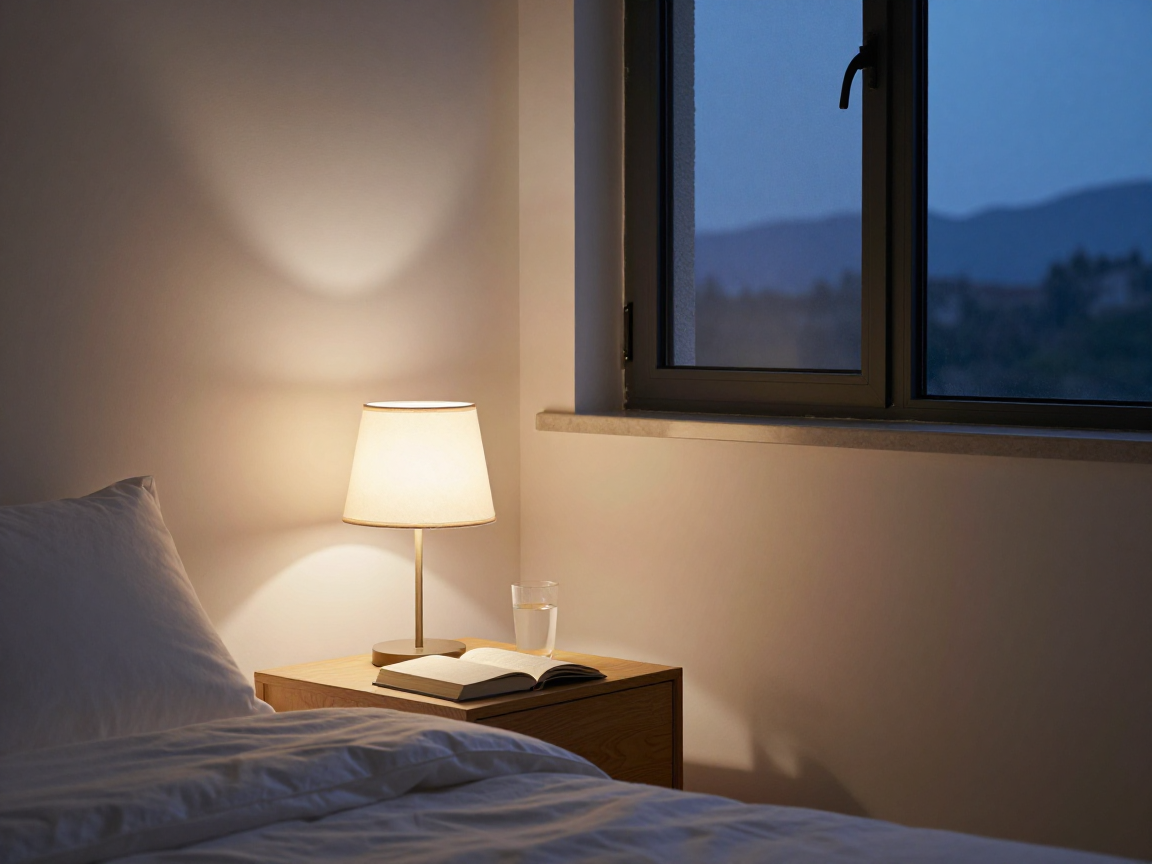
Most of us treat sleep like a light switch. We expect to run at full capacity all day, navigating high-stress meetings, digital overload, and domestic responsibilities, only to flip a switch and descend immediately into a deep, restorative slumber. When the mind refuses to quiet down or the body tosses and turns until the early hours of the morning, we often blame our biology or assume we are simply "bad sleepers." However, sleep is not a switch; it is a complex physiological process that requires a runway. This is where the concept of sleep hygiene habits becomes essential to our long-term health and cognitive function.
Developing effective sleep hygiene habits is about more than just buying a better mattress or avoiding caffeine in the afternoon. It is about creating a comprehensive ecosystem—both internal and external—that signals to your nervous system that it is safe to downshift. When we optimize our environment, our behaviors, and our psychological approach to the night, we stop fighting against our biology and start working with it. The result is not just more sleep, but better quality sleep that leaves you feeling genuinely restored rather than merely conscious.
The Biological Foundation of Sleep Hygiene Habits
To understand why specific sleep hygiene habits work, we must first understand the two primary drivers of sleep: the circadian rhythm and sleep pressure (adenosine). Your circadian rhythm is an internal 24-hour clock that regulates your sleep-wake cycle based on light exposure. It governs everything from your body temperature to your hormone production. Sleep pressure, on the other hand, is the buildup of a chemical called adenosine in your brain. The longer you are awake, the more adenosine accumulates, making you feel increasingly tired. This is the "hunger" for sleep.
Effective sleep hygiene habits are designed to support these two systems simultaneously. When you prioritize consistency, you are essentially training your circadian rhythm to know exactly when to release melatonin—the hormone responsible for sleep onset. When you manage your daytime activity and chemical intake, you are ensuring that your sleep pressure is high enough to carry you through the night without frequent awakenings. Without this biological alignment, even the most expensive bedding in the world cannot guarantee a good night of rest. Most people struggle because they are inadvertently sending conflicting signals to these systems, such as drinking caffeine too late (blocking adenosine) or looking at bright screens at night (suppressing melatonin).
Setting the Foundation: Daytime Habits for Better Nights
Many people make the mistake of thinking that sleep hygiene habits only begin an hour before bed. In reality, the quality of your sleep is determined the moment you wake up. What you do during the daylight hours dictates the chemical balance of your brain when the sun goes down. The relationship between your day and your night is symbiotic; you cannot have one without the other being optimized.
One of the most powerful sleep hygiene habits is seeking natural sunlight within 30 minutes of waking. Sunlight triggers the suppression of melatonin and the release of cortisol, which sets a timer for melatonin to be released roughly 14 to 16 hours later. If you spend your entire day in a dimly lit office, your brain never receives a clear signal that the day has started, which leads to a "fuzzy" signal that the day has ended. Even on a cloudy day, the lux (light intensity) outside is significantly higher than any indoor lighting, providing the necessary stimulus for your master biological clock.
Furthermore, managing your intake of stimulants is a non-negotiable part of a healthy routine. Caffeine has a half-life of about five to six hours and a quarter-life of twelve hours. This means that if you have a large cup of coffee at 4:00 PM, a quarter of that caffeine is still circulating in your brain at 4:00 AM. While you might be able to fall asleep with caffeine in your system, it significantly reduces the amount of deep, slow-wave sleep you achieve—the kind of sleep responsible for physical repair and immune function. Aim to set a caffeine cutoff time at least eight to ten hours before your intended bedtime to ensure your adenosine receptors are clear when you need them most.
Designing the Sanctuary: Environmental Factors
Your bedroom should serve one primary purpose: rest. Many of us have turned our sleeping quarters into multi-purpose rooms where we work, watch television, and scroll through social media. This creates a psychological association of "alertness" and "productivity" with the bedroom, which is the antithesis of good sleep hygiene habits. To truly master your sleep, you must treat the environment as a sacred space for recovery.
To optimize your environment, focus on the three pillars of the sleep sanctuary: light, temperature, and sound.
- Light: Even small amounts of blue light from a smartphone, a television, or even a digital alarm clock can disrupt melatonin production. Use blackout curtains to block external streetlights and consider a high-quality sleep mask if your room isn't perfectly dark. In the hour before bed, switch to warm, dim lighting to mimic the sunset.
- Temperature: The human body needs to drop its core temperature by about two to three degrees Fahrenheit to initiate sleep. A room that is too warm will keep your heart rate elevated and prevent your body from entering deep sleep cycles. Most sleep scientists recommend a room temperature between 60 and 67 degrees Fahrenheit (15–19 degrees Celsius). If you find your feet are cold, wearing socks can actually help by dilating blood vessels, which helps the rest of your body shed heat.
- Sound: While complete silence is ideal for many, others find that ambient "white noise" or "pink noise" helps drown out unpredictable sounds like traffic or a partner's snoring. The key is consistency—if you use white noise, use it every night to create a Pavlovian response where the sound itself signals to your brain that it is time to shut down.
The Psychological Shift: Transitioning from Doing to Being
Perhaps the most overlooked aspect of sleep hygiene habits is the mental transition. In a world that prizes constant productivity, we often spend our final waking hours "doing"—checking one last email, planning the next day's schedule, or cleaning the house. This keeps the sympathetic nervous system (the fight-or-flight branch) in the driver's seat. You cannot expect to go from a state of high-cortisol "doing" to low-melatonin "sleeping" without a buffer.
To fix this, you must implement a "wind-down" period. This is not a luxury; it is a physiological necessity. During this time, the goal is to transition from the active mode of the day to the receptive mode of the night. This involves lowering the lights, engaging in low-stimulation activities like reading a physical book (not an E-reader with a backlight), journaling, or practicing gentle stretching. This is the time to perform a "brain dump"—writing down everything you need to do tomorrow so that your brain doesn't feel the need to loop through those tasks while you are trying to sleep. By intentionally slowing down, you signal to your brain that the "threats" of the day are over and it is safe to rest.
The 10-3-2-1-0 Framework: A Practical Routine for Success
If you find it difficult to remember all the various sleep hygiene habits, the 10-3-2-1-0 framework offers a structured, easy-to-follow timeline to ensure your body is prepared for sleep by the time your head hits the pillow. This is an actionable plan you can start tonight.
- 10 Hours Before Bed: No More Caffeine. Give your liver enough time to clear the stimulants from your bloodstream so your deep sleep architecture remains intact. This usually means a cutoff around noon or 1:00 PM.
- 3 Hours Before Bed: No More Food or Alcohol. Digestion is an active process that raises your core body temperature and can cause acid reflux when you lie down. Similarly, while alcohol may help you fall asleep faster because it is a sedative, it destroys sleep quality by causing fragmented rest and suppressing REM sleep.
- 2 Hours Before Bed: No More Work. Close the laptop and stop checking emails. Give your mind permission to stop problem-solving. This creates a psychological boundary between your professional life and your personal recovery.
- 1 Hour Before Bed: No More Blue Light. Put away the phones, tablets, and computers. The blue light emitted by these devices tricks your brain into thinking it is midday. Use this hour for reading, meditation, or a warm bath.
- 0: The number of times you hit the snooze button in the morning. Hitting snooze leads to "sleep inertia," a state where you are caught between sleep cycles, leaving you feeling groggier than if you had simply gotten up with the first alarm.
Common Pitfalls That Sabotage Your Progress
Even with the best intentions, certain common behaviors can undermine your efforts to establish better sleep hygiene habits. Recognizing these pitfalls is the first step toward correcting them. One frequent mistake is the "weekend catch-up." Many people drastically change their sleep and wake times on Saturday and Sunday, effectively giving themselves "social jetlag." This confuses the circadian rhythm and makes it significantly harder to fall asleep on Sunday night. While an extra hour of sleep is fine, try to keep your wake-up time within a 60-minute window every day of the week, including weekends.
Another pitfall is staying in bed when you cannot sleep. If you find yourself lying awake for more than 20 minutes, your brain begins to associate the bed with anxiety, frustration, and wakefulness. A core principle of sleep hygiene habits is "stimulus control." If you are wide awake, get out of bed, go to another room with dim lighting, and do something low-stimulation—like reading a boring manual or folding laundry—until you feel a genuine wave of sleepiness. Only then should you return to bed. This strengthens the mental association that the bed equals sleep, not struggle.
Building Consistency Over Perfection
It is important to remember that sleep hygiene habits are not about achieving a perfect night of sleep every single time. Life happens—dinners run late, children wake up in the night, and stress occasionally follows us to bed. The goal is not to become anxious about sleep, as "orthosomnia" (the obsession with perfect sleep) can itself cause insomnia. Instead, the goal is to create a resilient foundation so that when life does interfere, your body can bounce back more quickly.
Start small. If the entire 10-3-2-1-0 framework feels overwhelming, choose one habit to implement this week. Perhaps it is simply setting a caffeine cutoff or leaving your phone in another room at night. Once that habit feels automatic and you begin to notice the subtle shift in your morning energy, add another. Over time, these small shifts accumulate into a lifestyle that prioritizes recovery, leading to higher energy levels, better mood regulation, and improved cognitive function.
Sleep is the tide that lifts all other boats. It affects your metabolic health, your emotional intelligence, and your ability to focus on complex tasks. When you master your sleep hygiene habits, you aren't just improving your nights; you are giving yourself the fuel to show up more fully in your waking life. Your future self will thank you for the quiet, disciplined choices you make tonight, resulting in a more vibrant and resilient version of yourself tomorrow.