Beyond the Sound: Why Singing Bowl Healing is the Reset Your Nervous System Desperately Needs
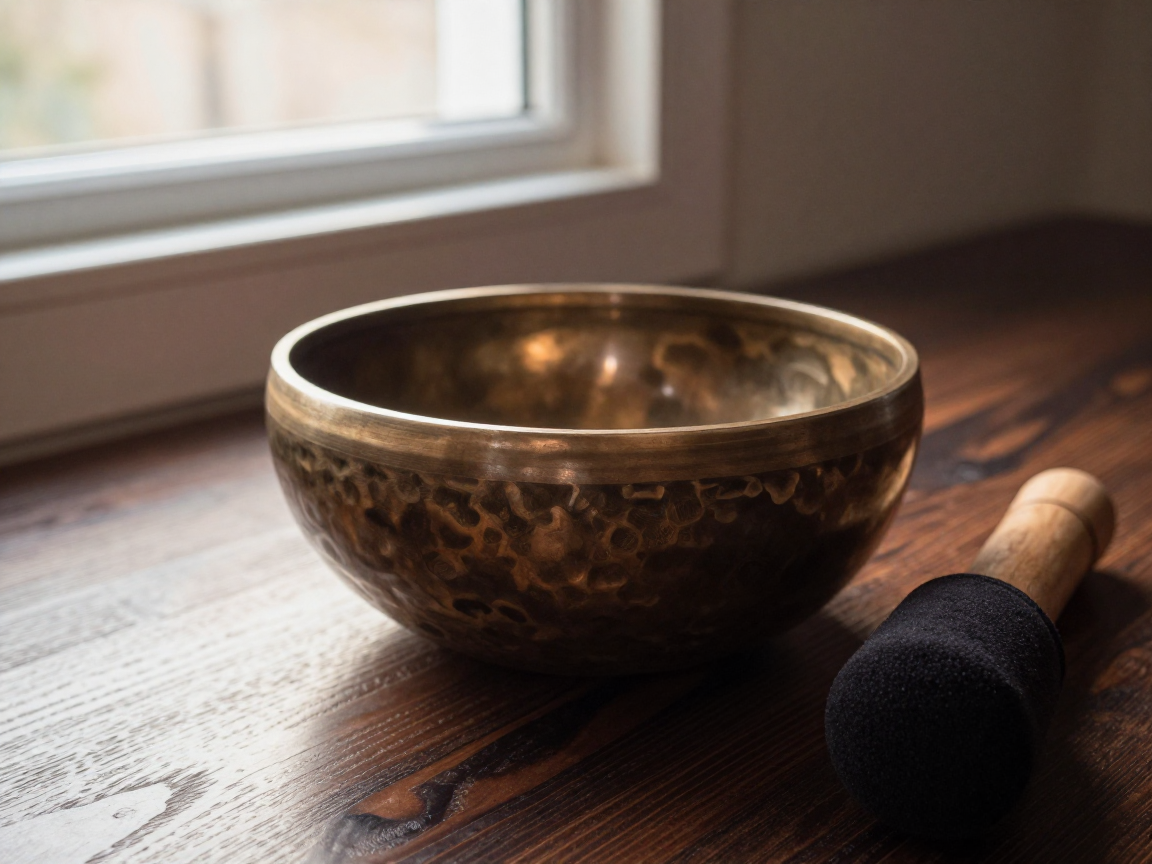
In an era defined by a constant barrage of digital notifications, high-octane work environments, and the low-level hum of urban anxiety, our nervous systems are often pushed to their absolute limits. We live in a state of perpetual readiness - a sympathetic nervous system dominance that keeps our heart rates elevated and our cortisol levels surging. When we reach this state of chronic overwhelm, traditional relaxation methods like sitting in silence can sometimes feel impossible. This is where the ancient yet scientifically relevant practice of singing bowl healing offers a unique bridge back to balance.
Singing bowl healing is not merely an aesthetic or spiritual trend; it is a functional tool that uses the physics of sound and vibration to interact with the human body on a cellular level. By producing specific harmonic frequencies, these bowls do what the mind often cannot do alone: they force the body to synchronize with a slower, more rhythmic state. This process, known as entrainment, allows the listener to drop out of the chaotic "fight or flight" mode and into the restorative "rest and digest" state within minutes. If you have ever felt like your brain is a browser with too many tabs open, sound may be the shortcut you need to close them all at once.
The Science of Resonance and Singing Bowl Healing
To understand why singing bowl healing is so effective, we must look at the body as a physical instrument. The human body is composed of approximately 70 percent water. As physics demonstrates, sound waves travel nearly five times faster through water than they do through air. When a singing bowl is struck or played, the vibrations ripple through the fluid in our cells, essentially providing a internal massage at a microscopic level.
This isn't just a pleasant sensation; it's a biological event. Scientific studies on sound therapy have shown that consistent exposure to the harmonic overtones of singing bowls can lower blood pressure, reduce heart rate variability, and even increase the production of nitric oxide - a molecule that helps dilate blood vessels and improve circulation. By engaging with singing bowl healing, you are essentially using external frequencies to remind your internal systems how to function in harmony.
Furthermore, the concept of "sympathetic resonance" plays a massive role. Just as one tuning fork will begin to vibrate if a nearby fork is struck at the same frequency, our brainwaves begin to mimic the slow, stable frequencies of the singing bowl. This shifts us from the jagged Beta waves of everyday stress into the flowing Alpha waves of relaxation, or even the deep Theta waves associated with meditation and REM sleep.
Choosing Your Medium: Metal vs. Crystal Bowls
When exploring singing bowl healing, you will typically encounter two distinct types of bowls. While both offer profound benefits, they interact with the body and mind in slightly different ways. Understanding these differences can help you tailor your practice to your specific needs.
- Himalayan (Metal) Bowls: These are the traditional bowls made from an alloy of metals, often including copper, tin, and silver. They are known for their rich, complex overtones and grounded, earthy resonance. Practitioners often choose metal bowls for their ability to ground the energy and provide a multi-tonal experience that feels very human and textured.
- Quartz Crystal Bowls: These are made from high-purity crushed quartz. They produce a very clear, intense, and singular tone that can be incredibly powerful. Crystal bowls are often associated with high-frequency work and are praised for their ability to feel "clean" and precise. Because quartz is a piezoelectric material, these bowls are thought to interact specifically with the electromagnetic field of the human body.
Regardless of which type you choose, the primary goal of singing bowl healing remains the same: to create a dedicated space where sound serves as the anchor for presence.
A Framework for Personal Practice: The Five Steps to Resonance
You do not need to be a professional sound healer to experience the benefits of singing bowl healing at home. Whether you are using a physical bowl or a high-quality recording, following a structured approach can deepen the impact of the session. Here is a practical framework to get started.
- Set the Intention (The Anchor): Before making a sound, sit quietly for a moment. Identify one specific feeling you wish to cultivate - such as "calm", "clarity", or "release". Hold this word in your mind as you begin.
- The Initial Strike: Gently strike the bowl with a padded mallet. Instead of just listening to the sound, try to feel where the vibration lands in your body. Does it resonate in your chest? Your head? Simply observe.
- The Sustained Tone: If you are using a physical bowl, begin to rim the bowl with the mallet to create a continuous singing tone. If listening to a recording, close your eyes and visualize the sound waves expanding in concentric circles from your center.
- Conscious Breathing: Match your breath to the rhythm of the sound. Inhale as the volume seems to crest, and exhale slowly as it softens. This synchronization of breath and sound is the core of singing bowl healing.
- The Silence After: When the sound finally fades away, do not rush to open your eyes. The "shunya" or the silence that follows the sound is often where the deepest healing occurs. Sit in that stillness for at least two minutes.
Addressing Modern Ailments with Sound
Singing bowl healing is particularly effective for several specific challenges that many of us face today. By targeting these areas, we can see how sound therapy serves as a versatile tool for holistic health.
Chronic Stress and Anxiety
Anxiety is often a loop of future-based thoughts. Sound forces the brain into the present moment because the auditory cortex becomes occupied with processing the complex harmonic layers of the bowl. It is difficult for the mind to wander into the "what-ifs" of tomorrow when it is fully engaged with the vibrating frequency of the "now".
Sleep Disruption and Insomnia
Many people struggle to fall asleep because their brainwaves remain stuck in high-frequency Beta patterns. Singing bowl healing can act as a bridge to sleep by guiding the brain into Alpha and Theta states. Using a bowl for ten minutes before bed can signal to the nervous system that the day is over and it is safe to power down.
Emotional Blockages
Sometimes we carry tension in our bodies that we cannot put into words. This is often referred to as "somatic memory". Because vibration moves through physical tissue, singing bowl healing can help physically shake loose areas of muscular tension associated with suppressed emotions, providing a sense of catharsis without the need for intellectual analysis.
Creating a Sacred Space for Sound
To maximize the efficacy of singing bowl healing, the environment matters. You are trying to create a container where your nervous system feels safe enough to let go. Here are a few tips for setting up your space:
- Minimize Acoustic Interference: Turn off fans, heaters, or appliances that create a distracting hum. This allows your ears to pick up the subtle overtones of the bowl.
- Use Natural Lighting: Soft, warm light or candlelight helps lower the stimulation of the optic nerve, making it easier to turn your attention inward.
- Physical Comfort: Whether you are sitting or lying down, ensure your spine is supported. Use blankets or cushions so that physical discomfort doesn't pull you out of the experience.
- Consistency over Duration: Five minutes of singing bowl healing every day is often more effective than a sixty-minute session once a month. Your nervous system learns through repetition.
The Importance of Quality and Intention
As you delve deeper into singing bowl healing, you will find that the quality of the sound matters. If you are using digital recordings, ensure they are high-fidelity and recorded with professional equipment. Compressed audio files can sometimes lose the very overtones that make sound healing effective.
However, the most important element is your own participation. Singing bowl healing is not a passive process where something is "done" to you. It is a collaborative effort between the sound and your awareness. When you approach the bowl with a sense of curiosity and a willingness to listen - not just with your ears, but with your whole body - the results can be truly life-altering.
Why We Are Returning to Sound
It is no coincidence that ancient practices like singing bowl healing are seeing a massive resurgence in the modern world. We are recognizing that our current way of living is often dissonant. We are out of sync with our natural rhythms, our sleep cycles, and our internal sense of peace.
Sound provides a return to the fundamental laws of nature. It reminds us that everything is in a state of vibration and that we have the power to influence our own frequency. By incorporating singing bowl healing into your life, you aren't just listening to a beautiful sound; you are choosing to tune your instrument, ensuring that you can move through the world with more resonance, more clarity, and a much more regulated heart.
In the end, the bowl is a mirror. It reflects back the stillness that already exists within you, waiting to be heard beneath the noise of the world. Take a moment to strike the bowl, breathe, and listen to the sound of your own return.