Why Your Body Knows How to Heal: The Science and Practice of Shaking to Release Trauma
If you have ever watched a nature documentary where a gazelle narrowly escapes a predator, you might have noticed a peculiar behavior once the danger has passed. The animal stands still for a moment, then its entire body begins to tremble and shake uncontrollably. This is not a sign of weakness or a breakdown; it is a profound biological reset. By shaking, the animal is discharging the massive amount of survival energy - the adrenaline and cortisol - that flooded its system during the chase. Once the shaking stops, the animal breathes deeply and returns to grazing as if nothing happened. Its nervous system has returned to a state of calm.
Humans possess this exact same biological mechanism, but we have largely lost the ability to use it. In a modern world that prizes composure and "keeping it together", we have been conditioned to suppress our natural tremors. When we experience a car accident, a difficult breakup, or the chronic stress of a demanding job, our bodies prepare for a fight or flight response that never fully concludes. This energy becomes trapped in our muscles and fascia, leading to a state of perpetual hyper-vigilance or exhaustion. Learning the art of shaking to release trauma is one of the most effective ways to tell your nervous system that the threat is finally over.
The Evolutionary Wisdom of the Shake
To understand why shaking to release trauma is so effective, we have to look at the triune brain and the autonomic nervous system. When we perceive a threat, the lower parts of our brain - the brainstem and the limbic system - take over. They prioritize survival over logic. This triggers a surge of energy designed to help us fight or flee. However, many modern traumas do not allow for a physical escape. We cannot fight our boss, and we cannot run away from a global pandemic.
When we cannot complete the survival cycle, the body enters a "freeze" state. This is a high - arousal state where the engine is revving but the brakes are slammed on. Over time, this unresolved energy manifests as chronic tension, anxiety, and even physical illness. Somatic practitioners often refer to this as "stuckness". Shaking acts as a manual override for this stuck energy. By allowing the body to tremor, we are essentially completing the survival circuit that was interrupted years or even decades ago.
The Psoas Muscle: The Storage Room for Stress
Central to the practice of shaking to release trauma is a deep muscle group called the psoas. Located deep within the pelvic bowl, the psoas is the primary connector between your torso and your legs. It is also the main muscle involved in the "fetal response". When we are scared, the psoas instinctively contracts to pull us into a ball, protecting our vital organs.
Because we are often under a low - grade, constant state of stress, the psoas can become chronically tight. This tightness sends a continuous signal to the brain that we are still in danger, creating a feedback loop of anxiety. Most therapeutic shaking techniques, such as TRE (Tension & Trauma Releasing Exercises), focus on fatiguing the leg muscles to trigger a natural tremor in the psoas. When this muscle begins to vibrate, it releases the physical manifestation of the "freeze" response, allowing the entire body to soften.
Why We Suppress the Shake
In our culture, shaking is often associated with fear, cold, or weakness. We tell children to "stop crying" or "stop acting like that". As adults, if we find ourselves trembling before a public speech or after a minor accident, we try to grip our muscles to make it stop. This social conditioning is actually counterproductive to our health.
By suppressing the shake, we are telling our nervous system to keep the stress stored in our tissues. This leads to what many call the "Body Keeps the Score" effect. When we finally give ourselves permission to use shaking to release trauma, we are reclaiming a lost biological right. We are allowing our bodies to speak a language that is older than words.
A Step-by-Step Guide to Shaking to Release Trauma
You do not need a complex gym setup to begin this practice. While it is often helpful to work with a certified somatic practitioner, especially if you have severe PTSD, you can begin to explore gentle neurogenic tremors at home. The goal is not to force the body to shake, but to create the conditions where the body chooses to shake on its own.
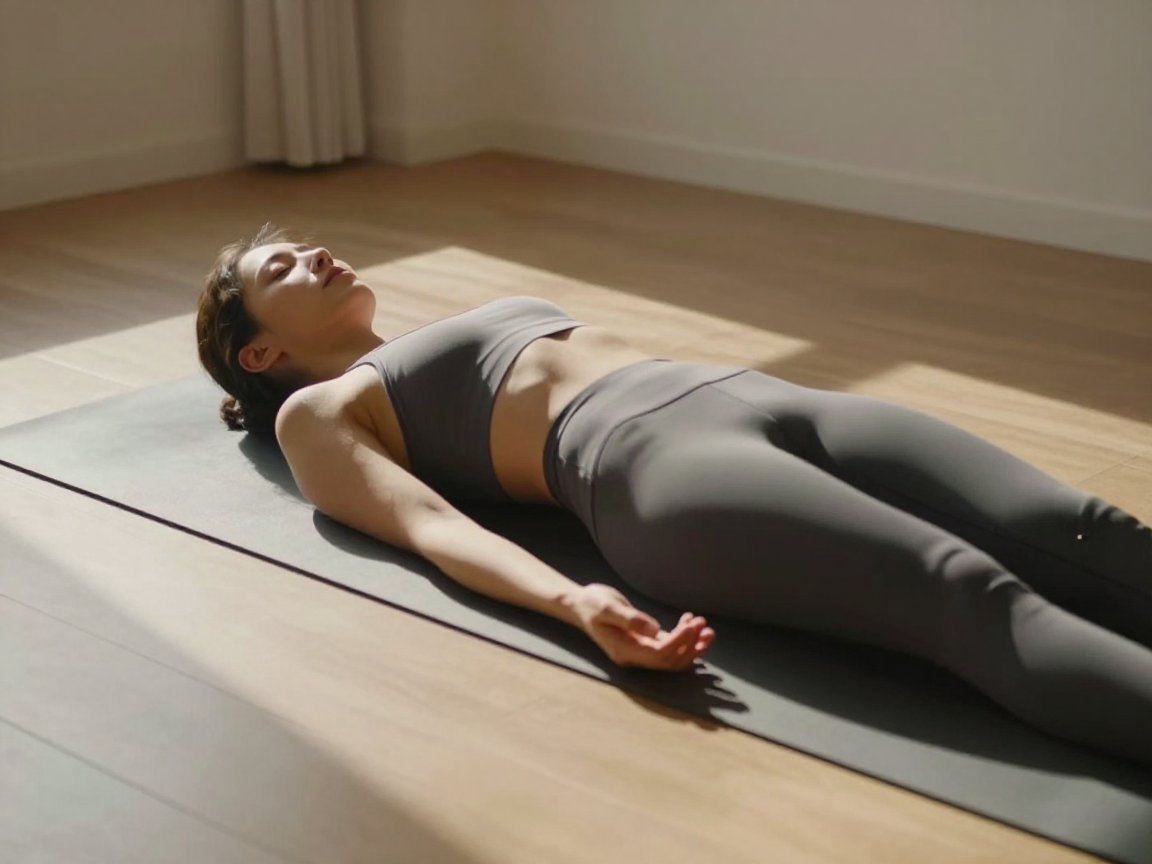
- Grounding and Preparation: Find a quiet, private space where you will not be interrupted. Lie on your back on a comfortable mat with your knees bent and feet flat on the floor. Take a few deep, slow breaths into your belly to signal to your brain that you are safe.
- The Butterfly Pose: Bring the soles of your feet together and let your knees fall open to the sides. Lift your hips slightly off the ground for about 60 seconds to create a small amount of tension in the inner thighs and pelvic area.
- Inducing the Tremor: Slowly bring your knees back toward each other, moving only an inch at a time. As your knees get closer together, you may notice a slight quivering or "chattering" in your legs. This is the beginning of the neurogenic tremor.
- Surrendering to the Movement: Once the shaking starts, stop moving your legs and simply observe the sensation. It might feel like a gentle vibration or a more vigorous rhythmic motion. Try not to judge it or control it. Let it move up into your hips and lower back if it wants to.
- Integration: After 5 to 10 minutes of tremoring, straighten your legs and lie flat. This is the most important part of shaking to release trauma. Spend at least five minutes in total stillness to allow your nervous system to integrate the shift.
The Benefits of a Regular Shaking Practice
While the primary goal is often emotional healing, the physical benefits of shaking are extensive. Because the nervous system governs almost every function in the body, a "reset" can have far - reaching effects. Many people who practice shaking to release trauma report significant improvements in areas they didn't even realize were connected to their stress levels.
- Improved Sleep Quality: By lowering the baseline of cortisol in the body, shaking helps the brain transition more easily into deep, restorative sleep.
- Reduced Chronic Pain: Much of our physical pain is actually "guarding" - the body holding tension to protect an old injury. Shaking helps these muscles let go of their protective grip.
- Increased Emotional Resilience: When you are no longer operating from a state of survival, you have more "ventral vagal" capacity. This means you can handle life's challenges without becoming immediately overwhelmed.
- Enhanced Body Awareness: Shaking forces you to tune into your internal sensations, improving your interoception - the ability to feel what is happening inside your body.
Safety and Titration: Less is More
When it comes to shaking to release trauma, more is not necessarily better. Somatic healing works through a process called "titration", which means taking small, manageable pieces of the trauma and processing them slowly. If you shake for too long or too intensely, you might actually overwhelm your nervous system, leading to a state of "flooding".
Checklist for a Safe Practice
- Check your environment: Are you in a place where you feel 100% safe and unobserved? If not, your body will likely refuse to tremor.
- Monitor your emotions: If you start to feel panicked, angry, or intensely sad, it is okay to stop. You can stop the tremors at any time by simply straightening your legs and taking a deep breath.
- Limit your time: When you are starting out, 5 minutes of tremoring is plenty. You are building a relationship with your body, and that takes time.
- Hydrate and rest: Shaking is a physical workout for the nervous system. Drink plenty of water and give yourself permission to be tired afterward.
- Avoid during pregnancy or after surgery: Always consult with a doctor if you have physical conditions that might be affected by muscle tremors.
Common Signs of Release and Integration
Everyone's experience with shaking to release trauma is unique. For some, it is a purely physical sensation that feels like a pleasant massage from the inside out. For others, it can be deeply emotional. You might find yourself laughing, crying, or yawning excessively during a session. These are all signs of the autonomic nervous system shifting from a sympathetic (fight/flight) state to a parasympathetic (rest/digest) state.
One common sign of a successful release is a change in body temperature or skin color. You might feel a sudden flush of warmth or see your skin become slightly pink as blood flow returns to areas that were previously constricted by tension. Many people also report a "feeling of lightness" or a sense that the room looks brighter and more clear. This is often referred to as "coming back into the room" after being dissociated or stuck in a trauma loop.
Making Shaking a Lifestyle Choice
You do not have to wait for a major crisis to use these tools. In fact, shaking to release trauma is most effective when used as a preventative measure. We live in a world that is constantly pinging our nervous systems with notifications, deadlines, and bad news. By incorporating a few minutes of shaking into your weekly routine, you can prevent stress from accumulating in the first place.
Think of it as "nervous system hygiene". Just as we brush our teeth to prevent decay, we can shake to prevent the emotional and physical decay caused by chronic stress. It is a radical act of self - care to listen to the body's oldest wisdom. When we stop trying to think our way out of our problems and start shaking our way through them, we tap into a profound source of resilience that has been within us all along. Your body knows how to heal; you simply have to give it the permission to begin.