Facing the Unseen: A Deep Dive into Using a Shadow Work Tarot Spread for Radical Self-Healing
Every person carries a part of themselves that they would rather not see. This is the shadow - a term coined by psychologist Carl Jung to describe the unconscious aspects of the personality that the conscious ego does not want to acknowledge. These are the traits, memories, and impulses we have deemed unacceptable, often hiding them away in the basement of our psyche. While we might think burying these parts keeps us safe, the shadow actually runs the show from behind the scenes, manifesting as recurring relationship patterns, irrational triggers, and self-sabotaging behaviors.
To reclaim your power, you must go into the basement with a flashlight. This is where a shadow work tarot spread becomes an invaluable tool. Tarot acts as a mirror, reflecting the symbols and archetypes of the collective unconscious back to us in a way our logical mind can understand. By using a shadow work tarot spread, you bypass the ego's natural defenses, allowing the cards to point directly at what you have been avoiding. This isn't just about fortune telling - it's about deep, psychological excavation and spiritual integration.
Understanding the Architecture of the Shadow
Before diving into the mechanics of a shadow work tarot spread, it is essential to understand what you are looking for. The shadow is not inherently evil. It is simply the unlit portion of your soul. It contains your repressed anger and shame, but it also houses your hidden talents, your unexpressed creativity, and your primal vitality. Jung famously noted that the shadow is ninety percent pure gold. We hide these things because, at some point in our childhood or development, we were taught that they were too much or not enough.
When we ignore the shadow, it gains strength. It projects onto others - you might find yourself intensely irritated by a coworker's arrogance, only to realize later that you have suppressed your own need for recognition. Or perhaps you feel a sense of unworthiness that prevents you from asking for a raise. These are shadow symptoms. A shadow work tarot spread helps you stop the projection and start the introspection. It forces a dialogue between the light and the dark, leading to what Jung called individuation - the process of becoming a whole, undivided human being.
Why Tarot is a Mirror for the Subconscious
Tarot is uniquely suited for this kind of work because it is built on archetypes. The 78 cards of a standard deck represent the full spectrum of human experience, from the innocence of The Fool to the destruction of The Tower. When you lay out a shadow work tarot spread, you aren't just looking at cardboard and ink; you are looking at a map of your internal landscape.
The symbols on the cards speak the language of the subconscious. While your conscious mind might say "I am fine and I have no trauma", a well-placed card like the Three of Swords or the Nine of Swords can pierce through that denial. The cards provide a neutral third-party perspective. They don't judge you for your shadow; they simply present it as a fact of your current energetic state. This neutrality is vital for healing, as shame is the primary reason we hide our shadow parts to begin with.
Preparing for Your Shadow Work Tarot Spread
Shadow work is emotionally taxing. You are intentionally looking at the things that make you uncomfortable. Therefore, the preparation for a shadow work tarot spread is just as important as the reading itself. You must create a container of safety for your psyche to open up.
- Grounding: Before you shuffle, spend five minutes grounding your energy. Imagine roots growing from your feet into the earth. This ensures you don't get lost in the emotional upheaval that shadow work can sometimes trigger.
- Setting the Intention: Clearly state why you are doing this. A good intention might be "I am ready to see the parts of myself I have rejected so that I can lead a more authentic life".
- Creating a Ritual Space: Light a candle, burn some incense, or play soft ambient music. This signals to your subconscious that you are entering a sacred, non-judgmental space.
- Choosing the Right Deck: While any deck works, many find that darker, more visceral decks or decks with deep psychological symbolism are better suited for a shadow work tarot spread than whimsical or overly light-themed decks.
The Fundamental 5-Card Shadow Work Tarot Spread
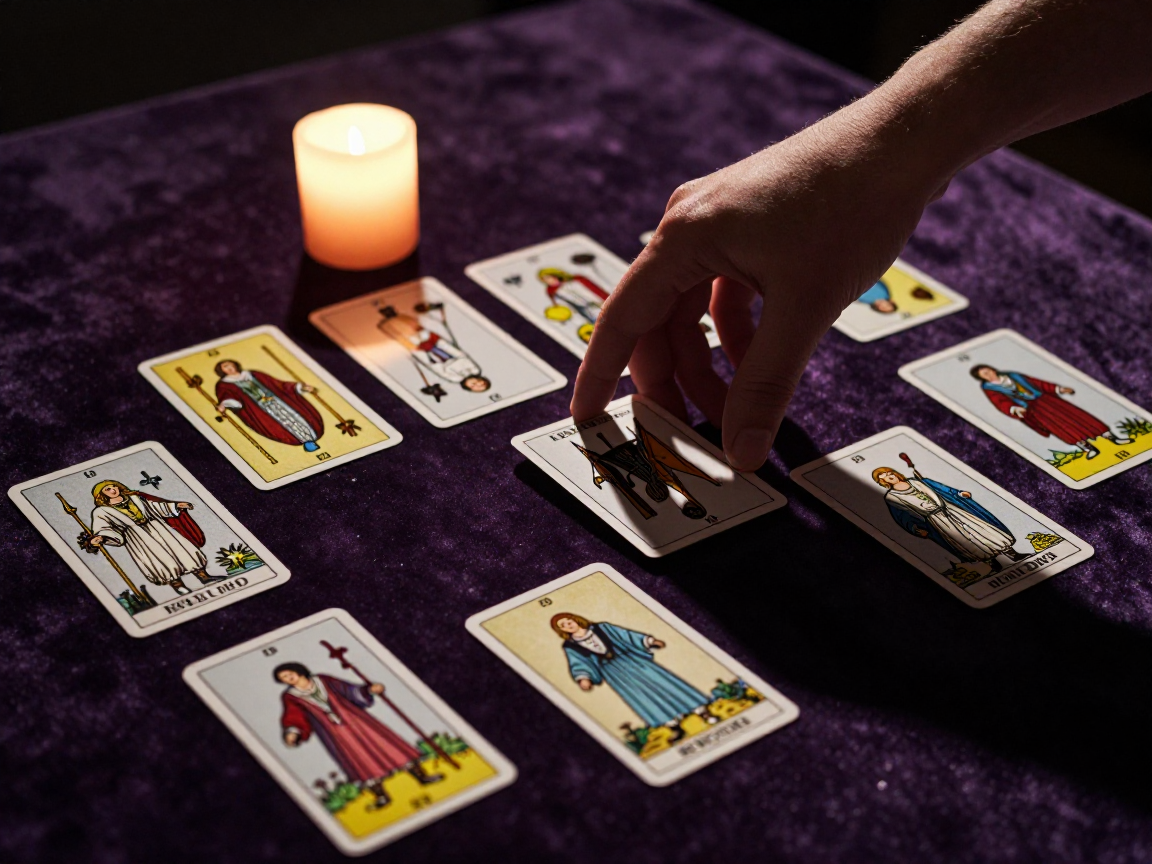
If you are ready to begin the work, this five-card layout is designed to provide a comprehensive look at your current shadow state. Place the cards in a cross pattern or a simple horizontal line, focusing on the question for each position as you pull.
1. The Mask (What you show the world)
This card represents your persona. It is the version of yourself you have curated for social acceptance. Seeing this card helps you identify where you are being performative rather than authentic.
2. The Hidden (What you are hiding from yourself)
This is the core of the shadow work tarot spread. This card points to a trait, an emotion, or a memory that you have successfully repressed. It may be uncomfortable to look at, but it is the key to your current blockages.
3. The Origin (Where the shadow was born)
Shadows are rarely innate; they are learned. This card often points toward childhood experiences, ancestral patterns, or past traumas that forced you to hide this specific part of yourself as a survival mechanism.
4. The Gift (The gold hidden in the shadow)
As mentioned, the shadow contains power. This card shows you what you gain by integrating this hidden part. For example, if your shadow is repressed anger, the gift might be the ability to set healthy boundaries and stand up for yourself.
5. The Integration (The next step toward wholeness)
This card provides actionable advice. It isn't enough to just see the shadow; you must do something with that knowledge. This card suggests a way to bring that hidden part into the light in a healthy, constructive way.
Interpreting Challenging Cards in a Shadow Context
When performing a shadow work tarot spread, you will inevitably pull cards that look scary or negative. In a traditional reading, these might cause anxiety. In shadow work, they are your best friends.
For instance, if you pull The Devil, it isn't a sign of literal evil. It usually points to an addiction, a codependent relationship, or a belief system that keeps you enslaved. It is a call to look at where you have given away your power. Similarly, The Tower suggests that your ego's structures are built on a false foundation and need to crumble for you to grow.
Don't shy away from the Three of Swords (heartbreak) or the Ten of Swords (betrayal). In a shadow work tarot spread, these cards often represent the "original wound" that you have been trying to protect by building a shadow around it. Ask yourself "How am I still living as if this wound is fresh?" or "What part of me died during this experience that I am afraid to bring back to life?".
A Step-by-Step Framework for Integration
Seeing the shadow is the first step, but integration is the lifelong work. Once you have completed your shadow work tarot spread, use the following framework to process the insights:
- Acknowledge and Name: Give the shadow a name. If your reading revealed a deep-seated fear of failure, call it "The Perfectionist Shadow". Naming it reduces its power over you.
- Dialogue with the Shadow: Imagine the shadow part of you sitting in a chair across from you. Based on the cards you pulled, ask it "What do you want?" and "What are you trying to protect me from?". Often, the shadow is just a younger version of you trying to keep you safe from a pain it doesn't know how to handle.
- Somatic Processing: Notice where the realization of this shadow lives in your body. Does your chest tighten? Does your stomach knot? Breathe into that space. Shadow work is as much a physical process as it is a mental one.
- Journaling the Narrative: Write out the story of this shadow. Start with "I used to think that being angry was bad, so I hid my power..." and end with "But now I see that my anger is my protection".
- Micro-Actions: Find one small, safe way to express the shadow trait this week. If you've repressed your voice, speak up once in a meeting. If you've repressed your playfulness, spend ten minutes drawing with your non-dominant hand.
Avoiding the Traps of Shadow Work
While a shadow work tarot spread is powerful, there are pitfalls to be aware of. The most common is "Shadow Looping" - where you become so obsessed with finding your darkness that you forget to live in the light. Shadow work should be a seasonal practice, not a constant state of being. If you spend all your time digging in the basement, you will end up breathing in a lot of dust and mold.
Another trap is spiritual bypassing. This happens when someone uses spiritual concepts to avoid dealing with real-world psychological issues. A shadow work tarot spread is a supplement to mental health care, not a replacement for therapy, especially if you are dealing with deep-seated trauma. The cards can show you the door, but sometimes you need a professional to help you walk through it safely.
Finally, beware of the "Fix-It" mentality. You are not a broken machine that needs to be repaired. You are an evolving consciousness. Integration doesn't mean the shadow disappears; it means it no longer controls you. You become aware of it, you embrace it, and you choose how to act despite it.
The Long-Term Benefits of Shadow Integration
Committing to a regular shadow work tarot spread practice leads to a profound sense of inner peace. When you are no longer hiding parts of yourself, you stop leaking energy. You become more resilient because there is nothing an outsider can say about you that you haven't already acknowledged and embraced within yourself.
This work also improves your relationships. When you stop projecting your shadow onto your partner or your friends, you see them for who they truly are. Your empathy increases because you realize that everyone else is also carrying a heavy, invisible bag of shadow parts.
Ultimately, a shadow work tarot spread is an act of radical self-love. It is the process of saying "I see all of me, even the parts that are messy and scared, and I choose to bring them home". By doing this, you step out of the cycle of survival and into a life of authentic, conscious creation.