Beyond the Dryness: A Guide to Sacral Chakra Balance and Reclaiming Your Joy
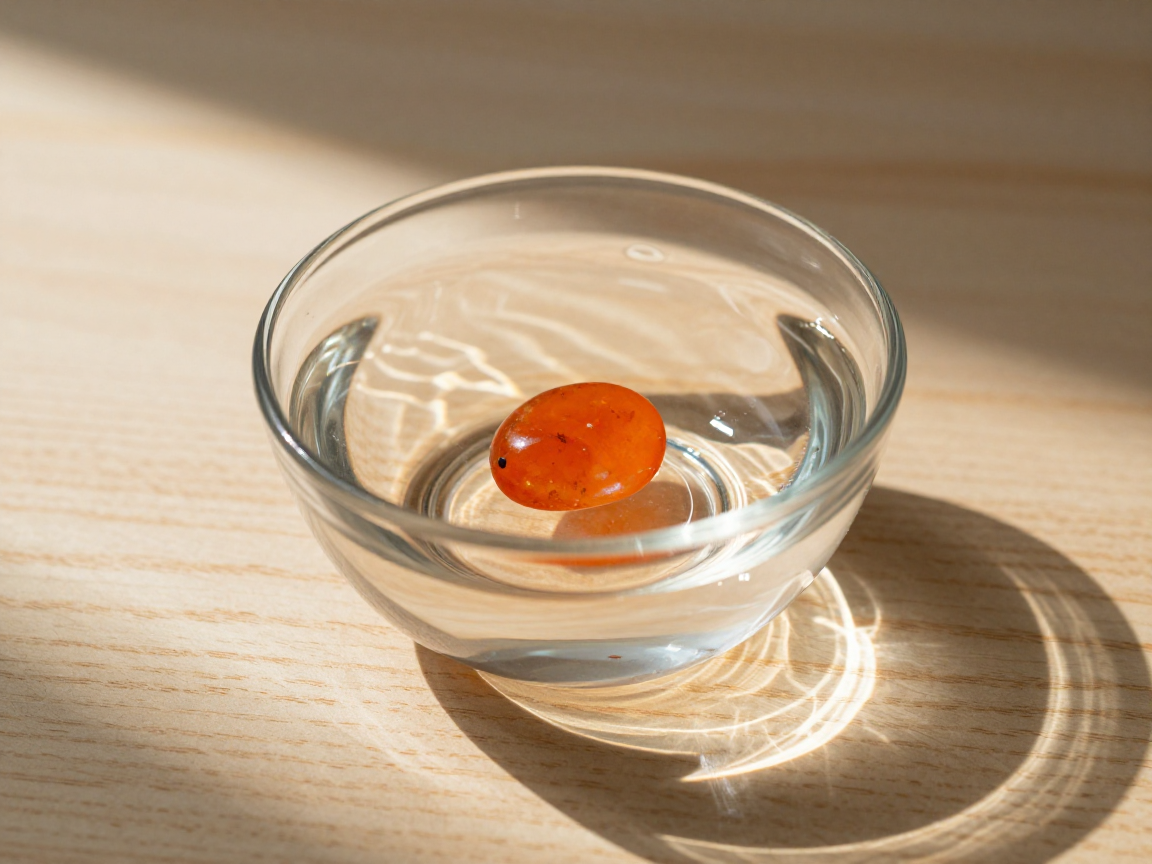
We often think of health as a checklist of physical metrics—blood pressure, heart rate, or caloric intake—but there is a subtler rhythm to our vitality that exists beneath the skin. When life begins to feel like a series of monotonous chores, or when your creative spark seems to have vanished into a gray mist, the issue rarely lies in your schedule or your diet. More often, it is a sign that the energy center of your second chakra, the Svadhisthana, has become stagnant. This center, often called the sacral chakra, is the seat of your emotions, your sexuality, and your ability to experience pure, unadulterated pleasure. Achieving sacral chakra balance is not just a spiritual exercise; it is the act of reclaiming your fundamental right to feel alive.
The sacral chakra is located just below the navel, glowing with a vibrant orange light and governed by the element of water. In Sanskrit, Svadhisthana translates roughly to "one's own place" or "the dwelling place of the self." It is where we process our interactions with the world and how we relate to our own desires. Just as water can be a stagnant pond, a raging flood, or a clear, flowing river, the energy here dictates how we move through our emotional lives. When we find sacral chakra balance, we move with grace. We adapt to change without losing our sense of self. We create not because we have to, but because we are overflowing with expression. However, in a modern world that often demands rigid logic, constant productivity, and the suppression of "messy" feelings, this fluid energy is frequently dammed up, leading to a profound sense of disconnection.
The Silent Signals of an Imbalanced Second Chakra
Before you can restore sacral chakra balance, you must be able to recognize what an imbalance feels like in your day-to-day life. Because this chakra governs both our emotional landscape and our physical reproductive and waste-elimination systems, the symptoms of a blockage often manifest as a complex mix of psychological and somatic issues. We often ignore these signals, attributing them to "burnout" or "stress," but if the root is energetic, a vacation or a nap won't solve the problem.
An underactive sacral chakra often feels like a perpetual drought. You might feel emotionally numb, as if you are watching your own life through a glass wall. You may struggle with a low libido, a complete lack of creative inspiration, or a deep-seated fear of change that keeps you trapped in "safe" but soul-crushing routines. This rigidity often manifests physically as stiffness in the lower back or chronic tension in the hips. People with an underactive sacral chakra often feel they don't "deserve" pleasure, leading to a life that is functional but entirely joyless.
On the opposite end of the spectrum, an overactive sacral chakra feels like a flood. This manifests as being overly emotional, becoming "addicted" to drama, or feeling constantly overwhelmed by your own needs and the needs of others. There may be a lack of boundaries, where you absorb the emotions of everyone around you until you can no longer distinguish your feelings from theirs. This can lead to obsessive behaviors or emotional volatility that leaves you and your loved ones exhausted.
Common signs that you need to focus on sacral chakra balance include:
- A persistent feeling of being "stuck" or unable to come up with new ideas in your professional or personal life.
- Chronic lower back pain, pelvic tension, or tight hip flexors that don't respond to stretching.
- Difficulty expressing your needs or feelings in intimate relationships, or a total avoidance of intimacy.
- A sense of intense guilt or shame when you take time for pleasure, rest, or self-care.
- Physical symptoms like reproductive issues, kidney dysfunction, or urinary frequency.
- Emotional instability, ranging from complete apathy to uncontrolled outbursts of crying or anger.
The Elemental Connection: Why Water is the Key to Flow
Every chakra is associated with a physical element, and for the sacral chakra, that element is water. This is why our emotions are so often described in aquatic terms: we "feel a wave" of sadness, we "sink" into depression, or we find our "flow." To achieve sacral chakra balance, we must invite the qualities of water back into our energy field. Water is soft but powerful; it takes the shape of whatever vessel it inhabits but eventually wears down the hardest stone through persistence and steady movement.
If you are feeling rigid, blocked, or creatively stifled, working with water is the fastest way to signal to your body that it is safe to soften. This can be as simple as increasing your daily water intake to ensure your cells are hydrated, but it is more effective when done with ritualistic intention. Consider taking a salt bath with orange essential oils (like sweet orange or neroli). As you soak, visualize the water drawing out the energetic sludge of old emotions and replacing it with a bright, orange vitality. Spending time near a moving body of water—a river, a waterfall, or the ocean—can also help synchronize your internal rhythm with the natural world. The goal is to remind your nervous system how to yield. When we stop resisting the "current" of our lives and start swimming with it, the second chakra begins to open naturally.
A 5-Step Framework for Restoring Sacral Chakra Balance
Restoring your energetic flow requires more than just intellectual understanding; it requires a physical and emotional shift. Use this structured framework to begin the process of unblocking your creative and emotional centers and inviting joy back into your daily experience.
1. The Somatic Release: Move Your Hips
In the yogic tradition, the hips are known as the "junk drawer" of our emotions. We store trauma, stress, and unexpressed anger in the pelvic region. To achieve sacral chakra balance, you must move this area. This does not require a formal workout or a gym membership. Try "intuitive dancing" in your living room—simply put on music that feels fluid and allow your hips to circle and sway without judging how you look. Focus on circular, undulating movements rather than rigid, linear ones. Yoga poses like Pigeon Pose, Butterfly Pose, or Goddess Pose are specifically designed to open the sacral area and release stored tension. As you hold these poses, breathe into the discomfort and imagine the tension melting away like ice.
2. The Creative Spark: Expression Without Expectation
Many of us have a blocked sacral chakra because we only allow ourselves to "create" when there is a deadline, a financial incentive, or a guarantee of a "good" result. This utilitarian approach kills the joy of the second chakra. To find balance, engage in a creative act that has no purpose other than play. Finger paint, build something with clay and then smash it, or write a poem that no one will ever read. The act of making something new—without the pressure of external validation—signals to the Svadhisthana that its energy is being used and appreciated. Creativity is the lifeblood of this chakra; when you stop creating, the energy stagnates.
3. The Sensory Audit: Awakening the Five Senses
The sacral chakra thrives on the experience of pleasure. If your life has become a sterile routine of fluorescent lights, digital screens, and bland meals, your energy will wither. Perform a sensory audit of your environment. Are you wearing fabrics that feel good against your skin, or are you sacrificing comfort for fashion? Are there scents in your home that make you breathe deeper? Are you eating foods that are vibrant, flavorful, and nourishing? By consciously choosing pleasure in small, everyday ways, you tell your body that it is "allowed" to feel good. This is the foundation of a healthy second chakra: the belief that pleasure is not a luxury, but a necessity for a balanced life.
4. Boundary Work: The Power of No
You cannot have a healthy flow of energy if you are constantly being drained by the demands of others. Sacral chakra balance is heavily dependent on healthy boundaries. If you say "yes" to every request because you fear conflict or abandonment, you are effectively damming your own river. Learning to say "no" to things that do not resonate with you creates a container for your energy. Just as a river needs banks to flow powerfully, your energy needs boundaries to prevent it from becoming a shallow, muddy swamp. Protect your time, your space, and your emotional energy with the same ferocity that you protect your physical health.
5. Sound and Color Integration
Every chakra resonates at a specific frequency and color. The sacral chakra responds to the color orange and the sound "VAM." You can use these as tools during meditation to break through stubborn blockages. Sit quietly and visualize a glowing orange sphere in your pelvic bowl, expanding with every inhale. Chant the seed sound "VAM" (pronounced like "vum") out loud. This creates a physical vibration in the lower abdomen that can help break up the energetic "rust" that accumulates from years of emotional repression. Feel the vibration echoing through your hips and lower back, loosening the grip of old traumas.
Supporting Tools: Crystals, Foods, and Aromatherapy
While internal work is the most important part of sacral chakra balance, you can use external tools to support the process. These elements act as physical anchors for your intention, reminding you throughout the day to stay connected to your flow.
Crystals: Stones that resonate with the sacral chakra are typically orange or golden. Carnelian is the most popular choice, known for its ability to boost creativity and restore vitality. Orange Calcite is excellent for emotional balancing, while Sunstone can help clear away feelings of unworthiness or guilt. Carry these stones in your pocket or place them on your lower abdomen during meditation.
Nutrition: Foods that support the sacral chakra are often orange in color or related to the element of water. Incorporate oranges, mangoes, carrots, pumpkins, and sweet potatoes into your diet. Because this chakra is linked to sweetness, naturally sweet foods (like honey or dates) can also be beneficial in moderation. Most importantly, stay hydrated with high-quality water to keep your physical and energetic systems moving.
Aromatherapy: Scent has a direct line to the emotional center of the brain. Essential oils like Ylang Ylang, Sandalwood, Clary Sage, and Jasmine are deeply connected to the sacral energy. Use them in a diffuser or diluted in a carrier oil for a self-massage on the lower abdomen. These scents help to lower cortisol and open the heart and mind to the possibility of pleasure.
The Ripple Effect of a Balanced Center
True sacral chakra balance is not a one-time fix; it is a way of living that prioritizes your emotional well-being and honors your need for creative expression. It requires you to look honestly at your relationship with guilt and shame. Many of us were raised in cultures that believe work must come before joy, or that seeking pleasure is somehow "frivolous" or "selfish." To heal this chakra, you must dismantle those beliefs and replace them with the understanding that a joyful, creative person is more capable of contributing to the world than one who is drained and rigid.
When you finally achieve a state of sacral chakra balance, the effects ripple through every area of your life. You will notice that you no longer feel the need to control every outcome or micromanage your environment. You become more magnetic because you are comfortable in your own skin and your own desires. Your relationships become more authentic because they are based on a genuine "flow" of energy rather than a transactional exchange of needs. You move from a state of survival into a state of thriving, where the "sweetness" of life is finally accessible to you.
Perhaps most importantly, you reclaim your sense of wonder. The world stops looking like a problem to be solved and starts looking like a playground to be experienced. This is the ultimate gift of the second chakra: the realization that life is not meant to be endured, but to be felt, tasted, and enjoyed in all its messy, beautiful fluidity. By tending to your sacral energy, you are not just healing yourself; you are opening a doorway to a more vibrant, passionate, and deeply human way of being in the world.