The Ancestral Map: How Roots and Heritage Healing Can Repair Your Sense of Belonging
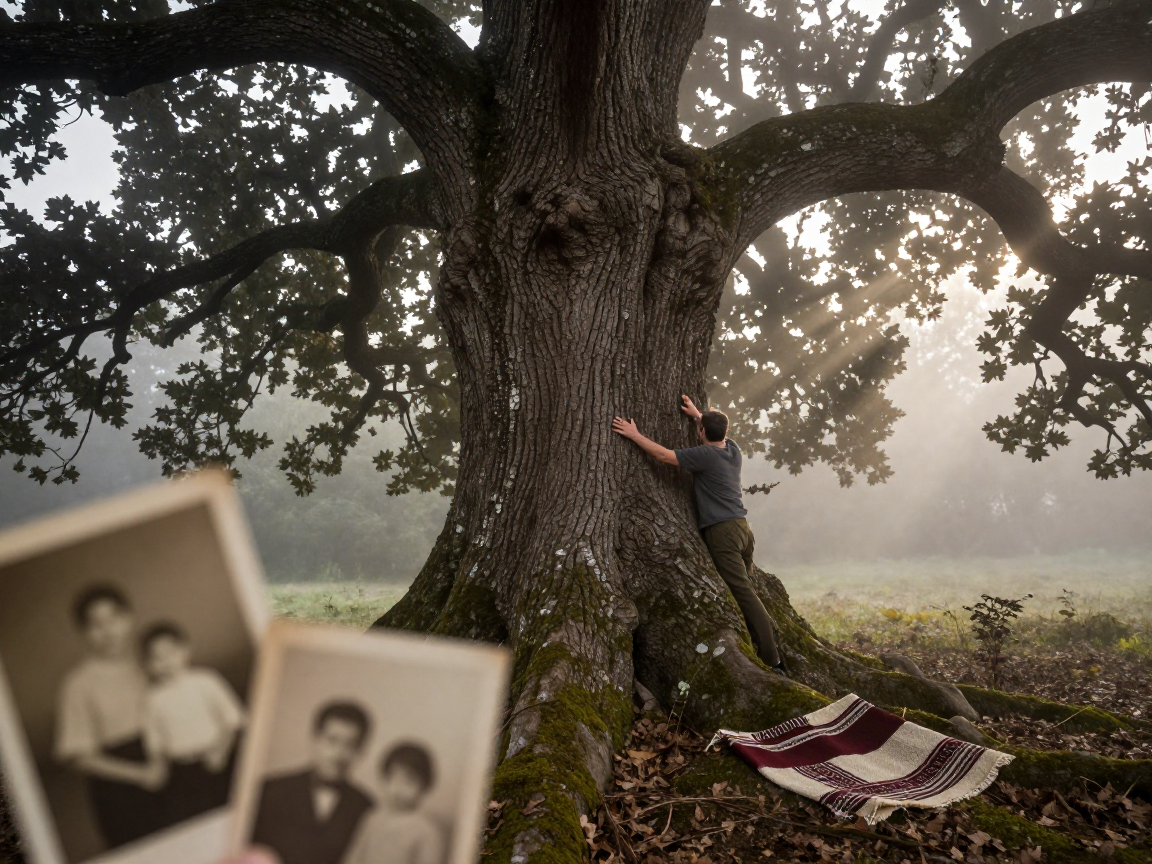
In the frantic pace of the twenty - first century, many of us carry a persistent, quiet ache that we cannot quite name. It feels like a phantom limb - a sense of missing something vital that we never truly possessed. We may have stable careers, comfortable homes, and digital connections to thousands of people, yet we remain haunted by a feeling of displacement. This is the modern condition of being uprooted. We have been severed from the stories, rituals, and landscapes that shaped our ancestors, leaving us to navigate the complexities of identity in a vacuum. When we lose our connection to the past, we lose the map that tells us who we are and why we react to the world the way we do.
Roots and heritage healing is the intentional practice of reaching back into our lineage to find the threads of resilience, wisdom, and even the unresolved pain that have been passed down through generations. It is not merely a hobby for genealogists or history buffs; it is a profound therapeutic process. By engaging with our heritage, we begin to understand that our struggles are rarely ours alone. We are the current chapter in a much longer story, and by acknowledging the previous chapters, we can finally begin to write our own with clarity and purpose. Roots and heritage healing provides the context needed to transform inherited trauma into inherited strength.
The Hidden Weight of Cultural Displacement
For many, the need for roots and heritage healing arises from a history of forced or voluntary migration, colonization, or the simple erosion of tradition over time. When a family loses its language, its recipes, or its spiritual practices, it loses the "connective tissue" that binds individuals to a community. This disconnection often manifests as a chronic sense of "not belonging" or an existential anxiety that no amount of self - care can fix. We find ourselves searching for identity in consumerism or digital subcultures, unaware that the foundation we seek is buried in our own DNA.
Psychologists have long noted that cultural identity is a protective factor against stress and mental health challenges. Without it, we are more vulnerable to the winds of societal change. Roots and heritage healing addresses this vulnerability by inviting us to look at the "ghosts" in our family tree. These are the experiences of our grandparents and great - grandparents - their triumphs, their losses, and their unmourned grief. When these experiences are ignored, they do not disappear; they simply go underground, influencing our nervous systems and our worldviews in ways we do not consciously understand.
The Science of Epigenetics: Why Your History Lives in Your Cells
The concept of roots and heritage healing is increasingly supported by the field of epigenetics. Scientists have discovered that trauma can leave chemical marks on our genes, which are then passed down to future generations. This means that if an ancestor experienced extreme scarcity, displacement, or violence, their descendants might inherit a nervous system that is "pre - tuned" to a state of high alert. You might find yourself struggling with a fear of abandonment or a constant need to overachieve, never realizing that these patterns are echoes of a survival strategy used by someone you never met.
However, the same science tells us that resilience is also heritable. Roots and heritage healing allows us to tap into the "ancestral resource" - the incredible strength that allowed our predecessors to survive and thrive despite immense odds. When we engage in roots and heritage healing, we are essentially performing a form of genetic alchemy. We are acknowledging the pain that was passed down while simultaneously activating the dormant strengths of our lineage. We are telling our nervous systems that the danger our ancestors faced is over, and it is finally safe to rest.
A Five - Stage Framework for Navigating Roots and Heritage Healing
Embarking on a journey of roots and heritage healing requires more than just looking up names on a website. It is a somatic and emotional process. Here is a framework to help you navigate this path with intention.
1. Gathering the Fragments
The first stage involves collecting what remains. This is the "detective work" of heritage healing. Talk to the oldest living members of your family. Ask them about the smells of their childhood kitchens, the songs their mothers sang, and the reasons they moved from one place to another. Look for old photographs, letters, or even small heirlooms. Don't just look for facts; look for the emotional resonance behind the facts. What were the unspoken rules of the household? What was considered "shameful", and what was celebrated? These fragments are the raw materials for your healing journey.
2. Somatic Listening and Identification
As you learn about your heritage, pay close attention to your body. Roots and heritage healing is a physical experience. You might feel a sudden tightness in your chest when hearing about a specific historical event, or a profound sense of warmth when hearing a certain phrase in your ancestral tongue. These are "somatic markers" - signals from your body that you have hit upon a piece of inherited memory. Identifying these reactions helps you distinguish between your own personal trauma and the collective weight of your lineage.
3. Creating a Space for Ancestral Memory
Healing requires a container. In many traditions, this takes the form of an altar or a dedicated space in the home. This does not have to be a religious practice; it is simply a physical anchor for your intention. Placing a photo of an ancestor, a bowl of water, or a stone from their homeland creates a focal point for your roots and heritage healing work. This space serves as a reminder that you are supported by a vast network of people who came before you. It is a place to sit in silence and offer gratitude or to express the grief that they were never allowed to voice.
4. Addressing the Intergenerational Shadow
Every lineage has shadows - secrets, prejudices, or patterns of harm. Real roots and heritage healing does not involve romanticizing the past. It requires the courage to look at the difficult parts of your history. If your ancestors were involved in systems of oppression or if there is a cycle of abuse in your family tree, healing involves breaking that cycle. You are the "lineage breaker". By acknowledging these shadows and choosing a different path, you heal the line both backward and forward.
5. Integrating Ritual and Modern Life
The final stage is synthesis. How do you bring these ancient roots into your modern, urban, or digital life? This might mean learning a traditional craft, cooking a specific ancestral meal once a week, or adopting a philosophy of time and community that differs from the modern "hustle culture". Roots and heritage healing is complete when the wisdom of the past becomes a functional part of your present, giving you a sense of weight and substance in a world that often feels shallow.
Practical Rituals to Reconnect with Your Lineage Today
You do not need to be an expert in history to begin roots and heritage healing. Small, consistent actions can bridge the gap between generations. Consider incorporating these practices into your life:
- The Shared Meal Ritual: Choose one day a month to cook a recipe from your heritage. As you prepare the food, think about the hands that have made this dish for centuries. Eating the food of your ancestors is one of the most direct ways to bring their presence into your physical body.
- The Land Connection: If possible, visit a place where your ancestors lived. If that is not possible, find a similar landscape nearby. If your people were mountain people, go to the mountains. If they lived by the sea, sit by the water. Notice how your body responds to the environment.
- Naming the Unnamed: Often, children who were lost or ancestors who were cast out of the family are forgotten. In your private reflections, give these people a place. Acknowledge them by saying, "I see you, and you belong to this family". This is a powerful act of roots and heritage healing that restores the integrity of the family system.
- Language Immersion: Even learning five or ten basic words in your ancestral language can shift your perspective. Language carries a specific worldview and a unique way of processing emotion. Reclaiming even a few words can feel like a homecoming for the soul.
- The Letter to the Past: Write a letter to an ancestor you feel particularly drawn to. Tell them about your life, your struggles, and your hopes. Ask for their guidance. While they cannot write back in the traditional sense, you may find that the act of writing opens up intuitive insights and a feeling of being "witnessed".
Moving Forward by Looking Back
The ultimate goal of roots and heritage healing is not to live in the past, but to be more fully present in the now. When we are disconnected from our roots, we are like a tree with shallow foundations; we are easily knocked over by the storms of life. When we do the work of reconnecting, our roots grow deep. We become more stable, more resilient, and more compassionate toward ourselves and others.
We live in a culture that prizes the "new" and the "next", but there is a profound power in the "old" and the "before". Roots and heritage healing teaches us that we do not have to reinvent ourselves every morning. We carry a blueprint of survival and creativity within us that has been refined over thousands of years. By reclaiming this heritage, we move from a state of survival to a state of belonging. We realize that we are never truly alone - we are part of a continuous, breathing tapestry of human experience. Your ancestors are not just ghosts of the past; they are the silent partners in your healing, waiting for you to turn around and recognize the legacy they left behind.