Healing the Root: Why Rituals for Ancestors are the Missing Piece in Your Spiritual Practice
In our fast-paced, digital-centric world, it is easy to feel like an island, disconnected from the vast ocean of history that produced us. We often view ourselves as entirely self-made individuals, yet every cell in our bodies carries the blueprints, the triumphs, and the struggles of thousands of people who came before us. This realization is the starting point for a profound spiritual practice: engaging in rituals for ancestors. These practices are not about worshipping the dead in a dogmatic sense, but rather about acknowledging the continuity of life and finding our place within a long, unbroken chain of human experience.
When we begin to explore rituals for ancestors, we are essentially opening a dialogue with our own DNA. We are acknowledging that we do not walk this earth alone. For many, this practice provides a deep sense of grounding that modern life often lacks. It offers a way to process intergenerational trauma, celebrate forgotten heritage, and seek guidance from those who navigated the world long before we arrived. Whether you are looking for a way to honor a recently departed loved one or you want to connect with nameless progenitors from centuries ago, these rituals provide a structured, meaningful way to bridge the gap between the seen and the unseen.
The Science and Soul of Ancestral Connection
While rituals for ancestors are often categorized as purely spiritual, modern science is beginning to catch up with what indigenous cultures have known for millennia. The field of epigenetics suggests that the experiences of our ancestors—their traumas, their environments, and even their diets—can leave chemical marks on our genes that affect how they are expressed. This means that we don't just inherit our grandmother's eyes; we might also inherit her resilience or her unexplained anxieties.
By engaging in intentional rituals, we are performing a form of psychological and energetic housekeeping. We are acknowledging the source of certain patterns in our lives. This awareness allows us to stop being passive recipients of ancestral trauma and instead become active participants in lineage healing. When we honor the ancestors, we are essentially honoring the parts of ourselves that they helped build. This creates a sense of internal wholeness that is difficult to achieve through other forms of self-care. It moves us from a state of isolation to a state of belonging.
Creating a Sacred Space: The Ancestor Altar
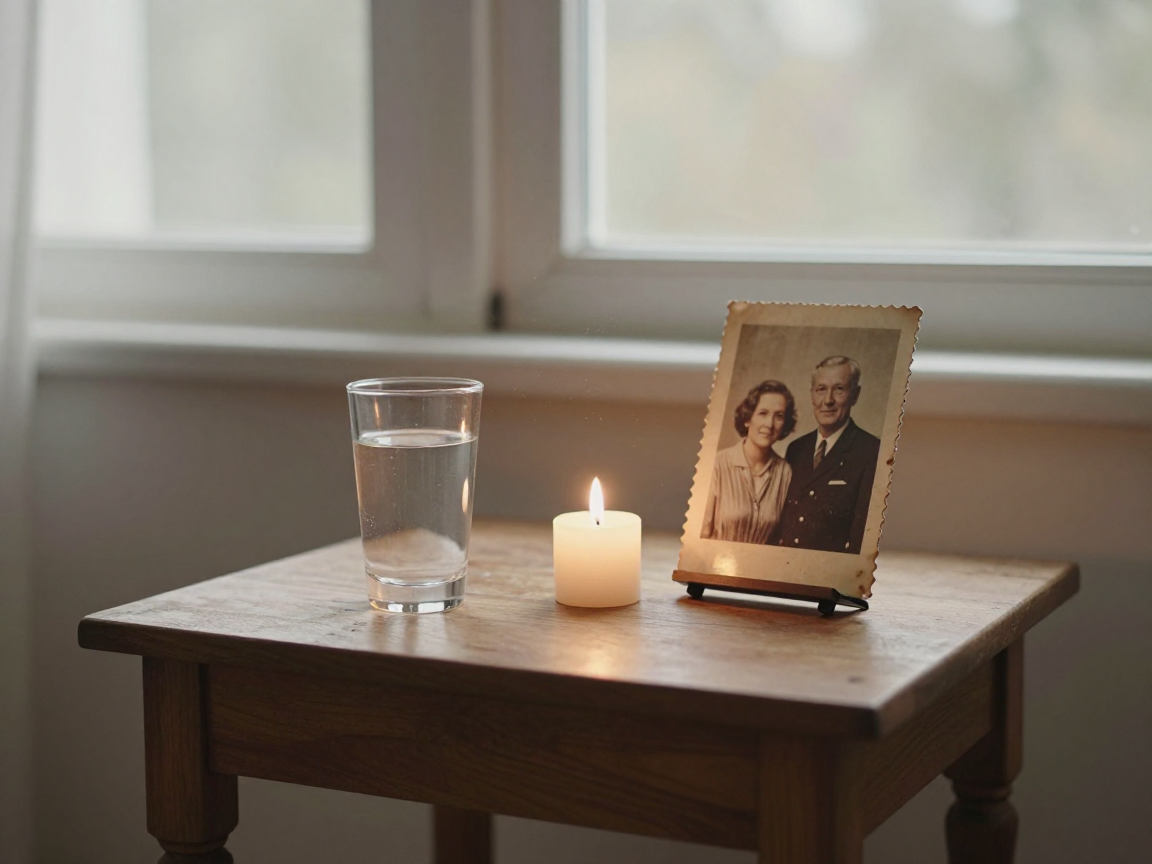
The most common and effective way to begin rituals for ancestors is by establishing a dedicated space in your home, often called an ancestor altar or shrine. This does not need to be elaborate or expensive. In fact, some of the most powerful altars are the simplest. The goal is to create a focal point for your attention and intention, a physical anchor for your spiritual practice.
To build a basic altar, find a small table, a shelf, or even the top of a dresser in a quiet area of your home. You might begin with these foundational elements:
- A White Cloth: This symbolizes purity and the boundary between the physical and spiritual realms.
- A Glass of Fresh Water: Water is a universal symbol of life and a conductor for energy. In many traditions, it is believed that the spirits of the ancestors use water to refresh themselves.
- A Candle: The flame represents the light of consciousness and the warmth of your memory. It serves as a beacon to call the ancestors into the space.
- Photographs or Mementos: If you have photos of your parents, grandparents, or great-grandparents, place them here. If you don't have photos, you can write their names on a piece of paper or use objects that represent your heritage, such as a piece of lace, a specific coin, or a stone from a meaningful location.
Once your altar is set, the most important part of the ritual is consistency. You might spend just five minutes each morning lighting the candle, refreshing the water, and saying a simple phrase like, "I remember you, and I thank you." This small, daily act builds a "bridge" of connection over time, making the presence of your lineage feel more tangible and supportive.
5 Meaningful Rituals for Ancestors You Can Start Today
If you are looking for specific ways to deepen your practice, these five rituals for ancestors offer a variety of approaches, from the quiet and contemplative to the active and communal. Choose the ones that resonate most with your personal beliefs and family history.
1. The Libation of Water
One of the oldest rituals in human history is the pouring of a libation. This is the act of pouring a liquid—usually water, but sometimes wine or tea—onto the earth or into a dedicated bowl as an offering. As you pour, you can speak the names of your ancestors aloud. This ritual is particularly powerful because it uses the physical element of water to represent the flow of life from one generation to the next. It is a way of "feeding" the roots of your family tree and acknowledging that their efforts allow you to thrive today.
2. The Empty Chair at the Table
During a holiday meal or a simple Sunday dinner, set a place for the ancestors. You don't need to serve a full plate of food (though some cultures do), but the presence of an empty chair and a set of cutlery serves as a powerful visual reminder that the ancestors are always welcome in your home. This ritual turns a mundane meal into a communal act of remembrance, inviting the "invisible guests" to share in the warmth and nourishment of the family. It reminds us that we eat because they once worked.
3. Lineage Storytelling and Journaling
Rituals do not always have to be "ceremonial" in the traditional sense. One of the most vital rituals for ancestors is the act of keeping their stories alive. Dedicate time to write down everything you know about your elders. What were their favorite foods? What was their greatest fear? What did their hands look like? If you don't know these details, the ritual becomes a quest for discovery—interviewing living relatives or researching genealogy records. This "active remembering" keeps the ancestors' personalities and legacies from fading into obscurity and preserves them for those who will come after you.
4. The "Ancestral Walk" in Nature
Go for a walk in a natural setting and consciously invite your ancestors to walk with you. As you move, pay attention to the environment through their eyes. Think about the fact that your ancestors, no matter where they were from, lived in a much closer relationship with the land than most of us do today. This ritual helps you connect with the "ancient" part of your lineage—the ancestors who lived thousands of years ago and whose names are lost to time, but whose survival instincts still live in your body.
5. Cleaning and Tending the Grave
If you live near the resting place of your ancestors, the physical act of tending to their graves is a profound ritual. Pulling weeds, polishing a headstone, or leaving fresh flowers is a way of showing "care" for those who can no longer care for themselves. It is an act of service that transcends the boundary of death. If you cannot visit a grave, you can perform a "symbolic cleaning" by dusting your altar or cleaning a family heirloom while focusing your thoughts on the person it belonged to.
Navigating the Shadow: Rituals for Difficult Lineages
A common hurdle people face when starting rituals for ancestors is the reality of "complicated" family histories. Not all ancestors were kind, wise, or even safe people. Some may have caused significant harm or held beliefs that you find abhorrent. It is important to know that you can still practice ancestral connection even if your lineage is troubled.
In these cases, the ritual becomes about "boundary setting" and "healing." You can choose to focus your rituals on the "Ancient and Healthy" ancestors—those who existed before the trauma or dysfunction began. Every lineage, if you go back far enough, has ancestors who were healers, protectors, and wise elders. You can explicitly state in your rituals, "I call upon only those ancestors who have my best interest at heart and who come in the spirit of love."
Additionally, rituals for ancestors can be a way to "break the cycle." You might light a candle and state your intention to end a pattern of addiction, silence, or abuse that has plagued your family for generations. In this way, you aren't just honoring the past; you are acting as a "gatekeeper" for the future, ensuring that the heavy burdens of the ancestors stop with you. This is the highest form of lineage service.
A 30-Day Action Plan for Ancestral Integration
To make rituals for ancestors a sustainable part of your life, it helps to have a structured approach. Use this framework to build your connection over the next month:
- Week 1: The Foundation. Set up your altar. Spend 5 minutes each day simply lighting a candle and refreshing the water. Focus on the feeling of being "witnessed" by your lineage.
- Week 2: The Investigation. Choose one ancestor (known or unknown) and research one aspect of their life or the culture they came from. Place an item on your altar that represents this discovery.
- Week 3: The Dialogue. Start a journal dedicated to your ancestors. Ask them for guidance on a specific problem you are facing. Write down any symbols, dreams, or gut feelings that arise over the next seven days.
- Week 4: The Celebration. Cook a meal that your ancestors would have recognized. Share it with family or eat it in quiet contemplation at your altar. Offer a portion of the food (or a libation) to the earth as a final act of gratitude for the month.
Conclusion: Becoming the Good Ancestor
Engaging in rituals for ancestors ultimately changes our relationship with time. We stop seeing ourselves as isolated points on a timeline and start seeing ourselves as a bridge. We begin to realize that one day, we will be the ancestors that future generations are calling upon. This perspective naturally encourages us to live more intentionally. What stories do we want them to tell about us? What "inheritance" do we want to leave behind?
By honoring those who came before, we learn how to honor ourselves. We recognize that our lives are part of a much larger, more complex, and more beautiful story than we ever imagined. Whether through a simple glass of water or a deep dive into genealogy, these rituals ground us in the truth of our existence: we are never truly alone, and we are always coming home.