Beyond the Bubbles: How a Ritual Bath Can Reset Your Nervous System and Clear Heavy Energy
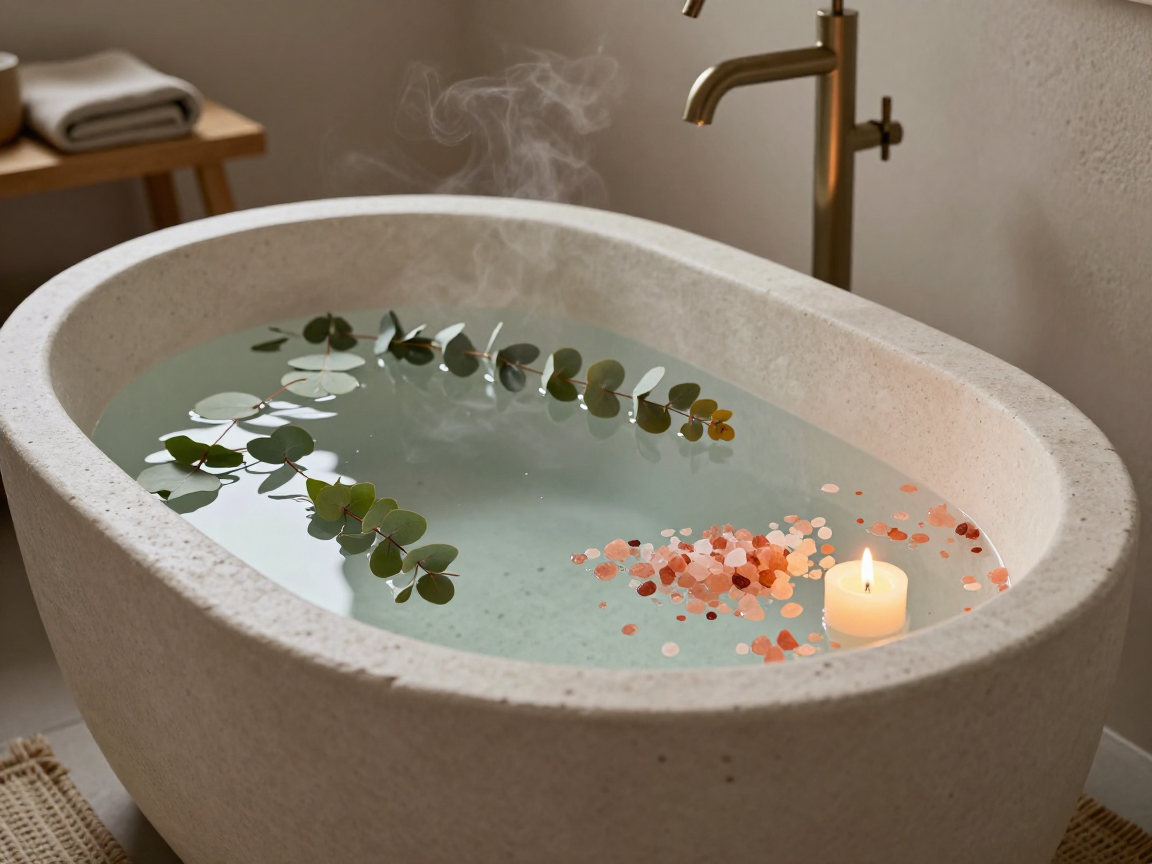
We live in an age where we are constantly scrubbed clean yet feel perpetually grimy. We wash our skin daily, but the residue of digital noise, workplace stress, and collective anxiety clings to us like a second layer. This is why a standard shower often feels insufficient for the kind of exhaustion we carry in the modern world. While a regular bath is an act of physical hygiene, a ritual bath is an act of spiritual and psychological recalibration. It is the intentional use of water to wash away more than just dirt - it is a method of rinsing the psyche and resetting the nervous system.
The ritual bath has existed across nearly every culture and era, from the Roman thermae and the Japanese onsen to the Jewish mikvah and the Celtic holy wells. These traditions understood that water is not merely a solvent for grime but a powerful conductor of energy and a biological trigger for deep relaxation. When we approach the tub with a specific intent, we transition from a passive soak to an active transformation. This guide explores the intersection of ancient wisdom and modern biology to help you master the art of the intentional soak.
The Difference Between Washing and Witnessing
The primary distinction of a ritual bath lies in the presence of the participant. In a typical bath, your mind might be racing through a to-do list or scrolling through a phone propped precariously on the edge of the tub. In a ritual setting, the bath becomes a "liminal space" - a threshold between the world you are leaving and the state of being you wish to enter.
When you enter the water with an established purpose, you are signaling to your subconscious that a change is occurring. This is often described as "energy hygiene". Just as you wouldn't go weeks without brushing your teeth, your emotional body requires a regular clearing of the "plaque" accumulated from difficult conversations, crowded commutes, and stressful deadlines. The ritual bath serves as the ultimate tool for this maintenance, providing a sensory boundary that separates your internal self from external demands.
Why Water Works: The Biology of the Ritual Bath
Beyond the mystical associations, the effectiveness of a ritual bath is grounded in human physiology. Water therapy, or hydrotherapy, has profound effects on the autonomic nervous system.
Activation of the Vagus Nerve
Immersion in warm water triggers the parasympathetic nervous system, often called the "rest and digest" mode. This is largely mediated by the vagus nerve, which regulates heart rate and stress response. As the body temperature rises slightly, blood vessels dilate, and the heart rate slows, signaling to the brain that the environment is safe. This physiological safety is the necessary foundation for any spiritual or emotional work to take place.
The Psychology of Symbolic Cleansing
Psychologists have long studied the "Macbeth Effect", a phenomenon where the act of physical cleansing can actually reduce feelings of guilt or cognitive dissonance. When we perform a ritual bath, we are utilizing a powerful psychological metaphor. By visualizing the water carrying away our worries, we provide our brain with a concrete, physical representation of an abstract emotional process. This makes the release feel "real" to our internal wiring.
The Anatomy of a Sacred Soak: Key Elements
To elevate your bath from a mundane chore to a transformative experience, you need to consider the specific components you introduce to the water. Each element serves as a sensory anchor for your intent.
- Salt: The foundation of most ritual baths. Salt is not only physically detoxifying and a source of magnesium, but it is historically used for protection and grounding. It changes the "density" of the water, making you feel more buoyant and held.
- Botanicals: Herbs and flowers carry specific phytochemicals and scents that bypass the logical brain and hit the liminal system directly. Dried lavender, rosemary, rose petals, or eucalyptus can change the frequency of the room.
- Minerals and Crystals: Many practitioners add stones like rose quartz for heart-centered work or black tourmaline (outside the water) for grounding. The goal is to create an environment that reflects your desired outcome.
- Lighting and Sound: Eliminating harsh overhead lights in favor of candles changes the visual input to the brain, encouraging the production of melatonin and lowering cortisol.
- Intentional Water: Even the way you fill the tub matters. Some choose to speak their intentions into the running water, treating it as a living medium that carries their prayers or goals.
The Step-by-Step Ritual Bath Framework
If you are new to this practice, following a structured framework can help you stay focused. Use these five steps to ensure your ritual bath remains a sacred container.
- Clear the Physical Space: You cannot find mental clarity in a cluttered environment. Quickly tidy the bathroom, wipe down the tub, and remove any distractions. This is the "pre-ritual" that prepares your mind.
- State Your Intent: Before the water even touches your skin, decide what this bath is for. Are you releasing a specific fear? Are you calling in new energy? Are you simply seeking deep rest? Say it out loud: "I enter this water to leave behind the stress of the week".
- Prepare the Elements: Add your salts, oils, and herbs while the water is running. Visualize these ingredients activating the water. Do not climb in until the environment feels ready.
- The Immersion: Enter the water slowly. As you submerge, imagine a golden light or a protective barrier forming around the tub. Stay for at least 20 minutes - this is the time required for the body to move into a full parasympathetic state and for the skin to begin absorbing minerals.
- The Drainage Ritual: This is the most important part of the ritual bath. As you pull the plug, stay in the tub until all the water has drained away. Watch it swirl down the drain and visualize your stress, fatigue, or "heavy energy" going with it. Do not get out until the tub is empty.
Crafting Your Blend: Three Ritual Bath Recipes
Depending on your current needs, you can customize your ingredients to match your energetic state. Here are three frameworks for specific outcomes.
1. The Heavy Energy Release (Cleansing)
Use this after a breakup, a difficult day at work, or when you feel "stuck".
- Base: 2 cups of sea salt or Epsom salt.
- Herbs: Rosemary (for clearing) and Lemon peel (for zest and clarity).
- Essential Oil: Sage or Juniper Berry.
- Focus: As you soak, visualize a dark grey film lifting off your skin and dissolving into the salt water.
2. The Heart-Centered Restoration (Healing)
Use this when you feel emotionally drained, lonely, or in need of self-compassion.
- Base: 1 cup of Himalayan pink salt and 1/2 cup of powdered coconut milk (for softness).
- Herbs: Dried rose petals or Hibiscus.
- Essential Oil: Geranium or Bergamot.
- Focus: Place your hands over your heart and breathe in the floral scent, imagining a warm pink light filling your chest.
3. The Visionary's Soak (Inspiration)
Use this when you are starting a new project or feel a lack of creative direction.
- Base: 1 cup of Epsom salt and 1/4 cup of baking soda (for alkalinity).
- Herbs: Peppermint or Calendula.
- Essential Oil: Frankincense or Peppermint.
- Focus: Keep a waterproof notepad or a recording device nearby. Allow the heat to open your mind and let ideas flow without judgment.
Common Mistakes to Avoid
To keep the ritual effective, avoid these common pitfalls that break the immersion:
- The Temperature Trap: If the water is too hot, your body remains in a state of mild heat stress. Aim for a temperature that is comfortably warm but doesn't make you gasp or sweat profusely.
- Digital Intrusions: Bringing a phone into the "sacred space" is the fastest way to kill a ritual bath. The blue light and the potential for notification pings keep your brain in "beta wave" state, preventing the deep dive into relaxation.
- Skipping the Rinse: If you use a lot of oils or herbs, a quick 30-second cool rinse afterward can help "seal" the skin and wash away any physical debris from the botanicals.
- Immediate Activity: The 15 minutes after a ritual bath are vital. If you immediately jump back onto your laptop, you shatter the calm you just built. Plan to have a quiet activity - like journaling or drinking herbal tea - immediately following your soak.
The Aftercare: Integrating the Shift
When you step out of the ritual bath, you are in a highly sensitive and receptive state. Your pores are open, and your nervous system is quiet. This is the ideal time to "dress the soul". Use a clean towel, put on your most comfortable clothes, and avoid loud noises or bright lights for a while.
Think of the ritual bath as a "hard reset" for your internal computer. You have cleared the cache and closed the background apps that were draining your battery. The goal now is to be intentional about what you "open" next. If you can, perform this ritual in the evening so that you can move directly into sleep, allowing the subconscious to process the shifts you made while you dream.
Ultimately, a ritual bath is a return to yourself. In a world that constantly asks us to be someone else, to do more, and to go faster, the tub offers a small, private ocean where you can simply be. It is a reminder that you are worthy of care, that your energy is sacred, and that sometimes, the most productive thing you can do is sit still in the water and let the world wait.