Decoding the Rider Waite Tarot: Why This Century - Old Deck remains Your Best Tool for Self - Discovery
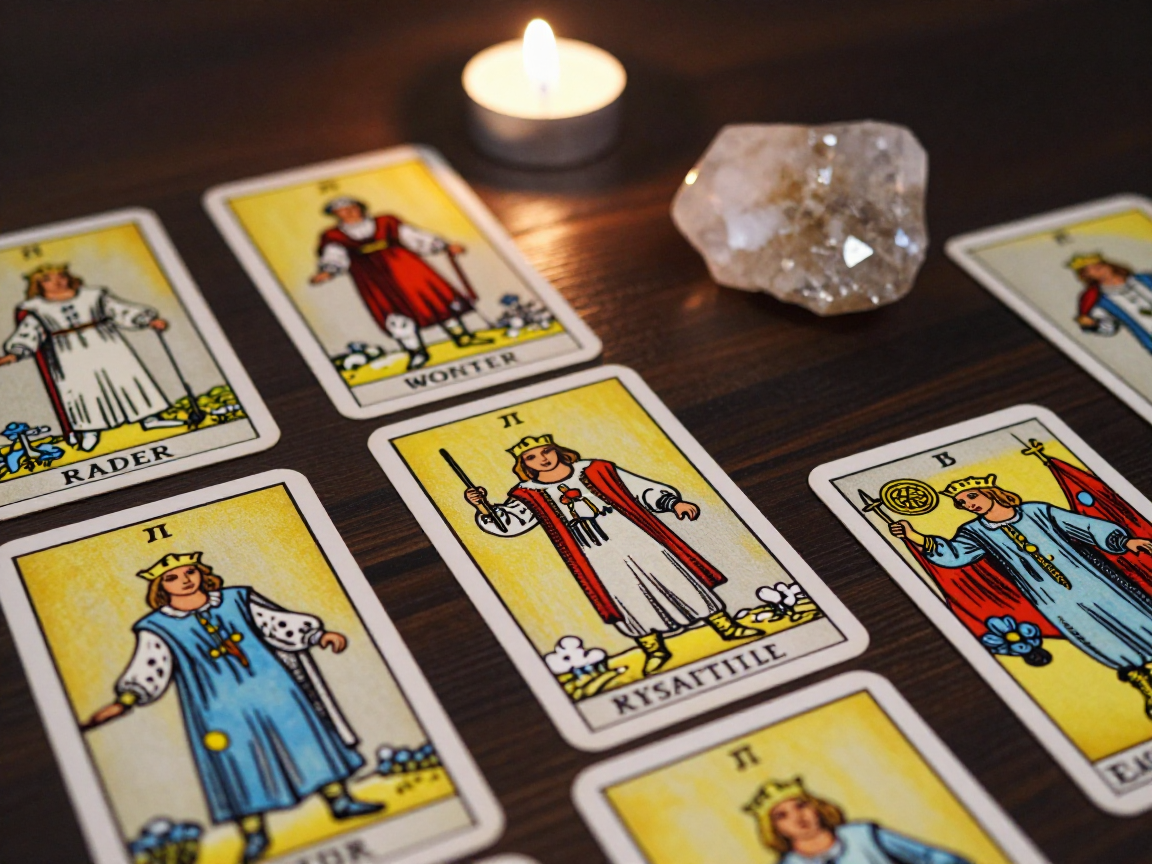
If you have ever seen a tarot deck in a movie, at a local bookstore, or on a social media feed, chances are you were looking at the Rider Waite Tarot. With its iconic primary colors, bold black outlines, and evocative medieval - inspired imagery, it has become the definitive visual language of the tarot world. For over a century, this specific deck has served as the entry point for millions of seekers, offering a bridge between the conscious mind and the deep, often untapped wisdom of the subconscious.
Despite the thousands of themed decks available today - from cats and crystals to high - fashion and pop culture - the Rider Waite Tarot remains the gold standard. It is not merely a historical artifact; it is a functional masterpiece of psychological mapping. To understand this deck is to understand the foundational archetypes of the human experience. Whether you are a complete beginner or a seasoned reader looking to return to basics, exploring the nuances of this deck reveals why it continues to be the most powerful tool for introspection and clarity available to us.
The Story Behind the Symbols: Why the Rider Waite Tarot Changed Everything
To appreciate the Rider Waite Tarot, one must understand how revolutionary it was at the time of its publication in 1909. Before this deck arrived, most tarot cards followed the pattern of the Tarot de Marseille. In those older decks, the Minor Arcana (the numbered cards like the Three of Swords or the Eight of Pentacles) were largely unillustrated. They looked much like modern playing cards, featuring only the corresponding number of pips. If you pulled the Five of Wands, you saw five sticks, and you had to memorize a specific meaning to understand what they represented.
Everything changed when Arthur Edward Waite, a scholarly mystic and member of the Hermetic Order of the Golden Dawn, collaborated with the artist Pamela Colman Smith. Waite wanted a deck that was more suited to divination and spiritual study, and he gave Smith the creative freedom to illustrate every single card in the 78 - card deck. This was a monumental shift. By adding scenic illustrations to the Minor Arcana, Smith made the tarot accessible to everyone, not just those who had spent years memorizing esoteric texts.
Pamela Colman Smith, often referred to by her nickname "Pixie", drew on her background in theater and folk tales to create scenes that felt alive. Because of her work, the Rider Waite Tarot allows a reader to look at a card and immediately feel the energy of the situation. You don't need a manual to feel the sorrow in the Three of Swords or the celebratory joy in the Four of Wands. The images speak directly to our shared human emotions.
Understanding the Architecture of the Deck
The Rider Waite Tarot is divided into two main sections: the Major Arcana and the Minor Arcana. Understanding how these two parts interact is the first step toward mastering the deck.
The Major Arcana: Life's Big Lessons
The 22 cards of the Major Arcana represent the "Hero's Journey". These are the big, archetypal themes that we all encounter throughout our lives. When a Major Arcana card appears in a reading, it suggests that the situation is part of a larger life cycle or a significant spiritual lesson. These cards deal with matters of fate, destiny, and major life transitions. From the innocence of The Fool to the completion and wholeness of The World, these cards map the evolution of the soul.
The Minor Arcana: The Details of Daily Life
The remaining 56 cards are the Minor Arcana, which focus on the day - to - day events, emotions, and challenges we face. These are divided into four suits, each corresponding to a different element and area of life:
- Wands (Fire): Associated with creativity, passion, ambition, and willpower. They represent the initial spark of an idea and the energy required to see it through.
- Cups (Water): Associated with emotions, relationships, intuition, and the subconscious. These cards reflect our inner world and how we connect with others.
- Swords (Air): Associated with the intellect, communication, logic, and conflict. Swords often represent the challenges we face in our minds and the power of our words.
- Pentacles (Earth): Associated with the material world, finances, career, and physical health. These cards deal with the tangible results of our labor and our sense of security.
A Practical Framework for Reading the Rider Waite Tarot
Many people feel intimidated by the idea of "learning" the tarot, but the Rider Waite Tarot was designed to be intuitive. Instead of rote memorization, try using this four - step framework to connect with any card in the deck:
- Observation: Look at the card as if it were a painting in a gallery. What is the weather like? What are the characters doing? What colors dominate the scene? For example, the vibrant yellow backgrounds in many cards of this deck often signify energy, consciousness, and clarity.
- Emotional Response: How does the card make you feel in your body? Does the image of the Ten of Swords make you recoil? Does the Star make you feel a sense of relief? Your immediate emotional reaction is usually the most accurate guide to the card's meaning in your specific situation.
- Symbolic Deep Dive: Once you have the overall feeling, look for small details. The Rider Waite Tarot is packed with hidden symbols - pomegranates on the Empress's dress signify fertility; the dog at the Fool's feet represents instinct and protection; the crown on the Charioteer's head indicates mental sovereignty.
- Synthesis: Combine the traditional meaning of the card with your personal observations and the context of your question. This is where the magic happens. The card acts as a mirror, reflecting back a perspective you might have been avoiding or failing to see.
How to Reframe "Scary" Cards
One of the biggest hurdles for beginners working with the Rider Waite Tarot is the presence of cards that look frightening. In a deck that seeks to map the entire human experience, it is necessary to include the difficult parts. However, these cards are rarely as literal as they seem.
- The Death Card: This is perhaps the most misunderstood card in the deck. In the Rider Waite version, Death is a skeleton on a white horse, but in the background, a sun is rising. This card is almost never about physical death; it is about the end of a cycle and the necessity of clearing away the old to make room for the new. It is a card of profound transformation.
- The Tower: This card shows a building being struck by lightning, with people falling from the windows. It represents a sudden, often shocking realization or upheaval. While uncomfortable, the Tower serves to tear down structures built on false foundations. It is the "breakdown that leads to a breakthrough".
- The Ten of Swords: Often mocked for its melodrama, showing a man pinned down by ten swords, this card signifies hitting rock bottom. The lesson here is that things cannot get any worse; the only direction left to go is up. It represents the finality of a painful mental cycle.
The Enduring Power of the Classic Imagery
In a world that is increasingly digital and fast - paced, the act of sitting down with a physical deck of cards feels like a radical act of self - care. The Rider Waite Tarot forces us to slow down and look closely. The imagery is rich enough to support a lifetime of study, yet simple enough that a child could grasp the basic narrative of the cards.
When you use this deck, you are participating in a lineage of seekers that spans over a century. There is a collective energy attached to these specific images. When you pull the High Priestess, you are tapping into the same archetype that thousands of others have meditated upon to find their own inner voice. This shared history adds a layer of depth to your readings that modern, newer decks often lack.
Quick Checklist for Your First Reading
If you are ready to start your journey with the Rider Waite Tarot, keep this checklist in mind to ensure a grounded and insightful experience:
- Clear the Space: You don't need a fancy altar. Simply clearing your desk or lighting a candle can help signal to your brain that it is time to focus.
- Ask an Open - Ended Question: Instead of asking "Will I get the job?", try asking "What energy do I need to embody to succeed in my career?".
- Trust Your First Impression: Your intuition usually speaks first. The logical mind usually speaks second to try and talk you out of it.
- Don't Fear the Guidebook: While intuition is key, the historical meanings of the Rider Waite Tarot are there for a reason. If you are stuck, look it up, but then return to the image and see how that definition fits the picture.
- Journal Your Results: The best way to learn the tarot is to look back at your readings weeks or months later to see how the cards manifested in your life.
Ultimately, the Rider Waite Tarot is a conversation between you and the universe. It doesn't tell the future so much as it helps you create the future by understanding your present. By learning to read these 78 cards, you aren't just learning a parlor trick; you are gaining a set of keys that can unlock the doors to your own intuition, resilience, and personal growth. The deck is waiting - all you have to do is shuffle.