The Power in Your Own Hands: Why Reiki Self-Healing Is the Ultimate Antidote to Modern Burnout
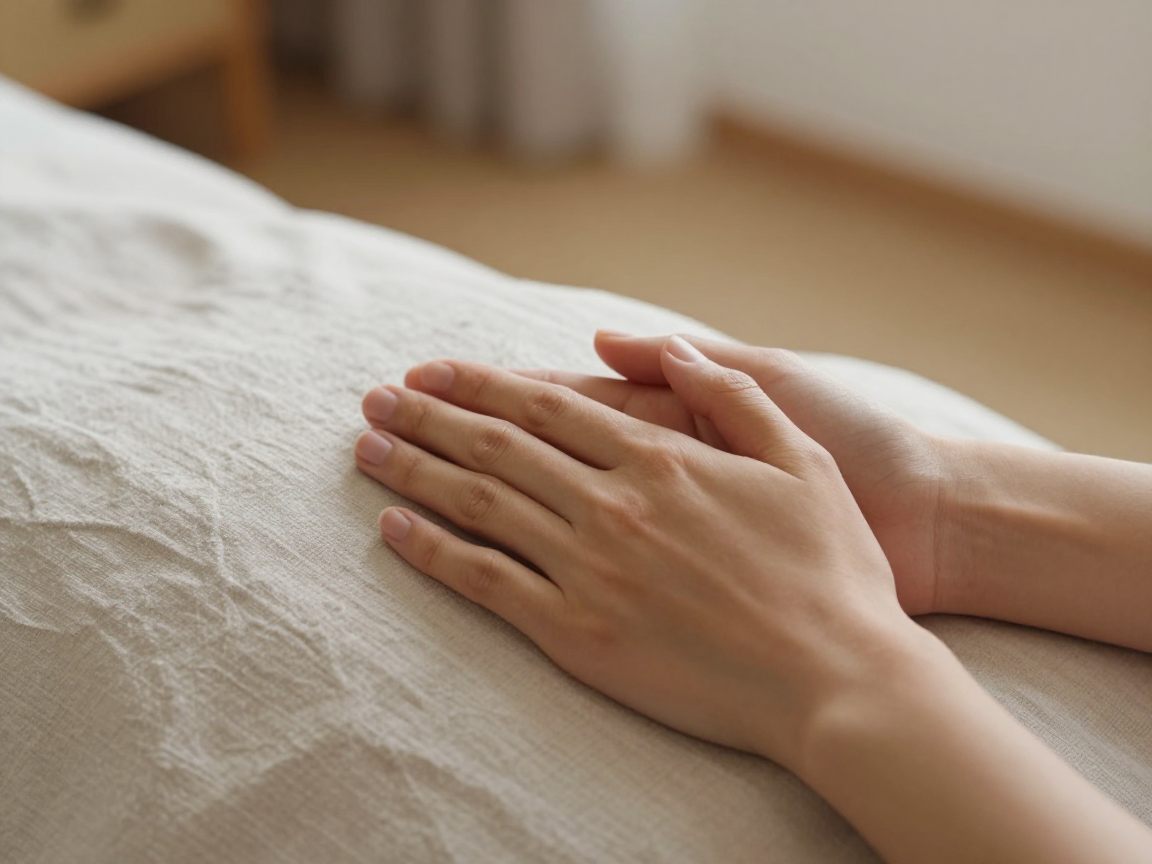
We live in an era where our nervous systems are perpetually overstimulated. Between the constant ping of notifications and the mounting pressures of a fast-paced professional world, many of us find ourselves in a state of chronic fight-or-flight. We look for external solutions—supplements, expensive vacations, or complex fitness regimes—yet we often overlook the most immediate tool at our disposal: our own hands and the energetic potential they carry. This is where reiki self-healing moves from a spiritual concept to a practical, daily necessity for modern survival.
Reiki is often misunderstood as something that only happens on a massage table in a dimly lit room with a paid practitioner. While professional sessions are deeply transformative, the true heart of this Japanese technique lies in its accessibility. At its core, reiki self-healing is the practice of channeling universal life force energy into your own body to promote relaxation and facilitate the natural healing processes. It is a quiet, radical act of self-sovereignty that allows you to take charge of your emotional and physical state whenever you feel depleted. By learning to tune into this subtle energy, you move from being a passive victim of your environment to an active participant in your own regulation.
The Foundation of Reiki Self-Healing
To understand reiki self-healing, one must first look past the layers of mysticism that sometimes surround it. The word "Reiki" is derived from two Japanese words: "Rei" (Universal) and "Ki" (Life Energy). This energy is not something you possess or manufacture; rather, it is something you learn to tune into. Think of yourself as a radio and the practice of reiki as the act of turning the dial to a clear, harmonious station. When we are stressed, our "signal" becomes static-filled and distorted. Self-practice helps clear that static, returning your internal frequency to its natural state of coherence.
Unlike many other forms of wellness, reiki self-healing does not require you to have a specific belief system. You do not need to be "spiritual" to benefit from the physiological shift that occurs during a session. When you place your hands on your body with the intention of healing, you are engaging the parasympathetic nervous system. This is the "rest and digest" mode that is the direct opposite of the stress response. By consistently practicing reiki self-healing, you train your body to return to this state of equilibrium more quickly after a stressful event. It is a form of energetic hygiene, as vital as brushing your teeth or washing your face.
For many, the biggest hurdle is the doubt that they are "doing it right" or that they are even capable of it. It is important to remember that reiki is an inherent ability. While traditional attunements from a Reiki Master are highly recommended to open your channels and deepen your understanding, the basic desire to heal oneself is the primary engine of the practice. Your body already knows how to process energy; you are simply providing the space and the focused intention for it to do so. In the Usui system of Reiki, the emphasis is always on the self first. You cannot pour from an empty cup, and reiki self-healing is the process of filling that cup to the brim.
A Daily Ritual: The 5-Step Framework for Self-Practice
Consistency is the key to seeing real results with reiki self-healing. It is better to practice for ten minutes every morning than to do one long session once a month. To help you get started, here is a structured approach to a daily self-treatment session that you can adapt to your own schedule. This framework ensures you are grounded, focused, and open to the flow of energy.
- Preparation and Intention Setting: Find a quiet place where you will not be interrupted. Sit or lie down comfortably. Rub your hands together for a few seconds to bring awareness to your palms and generate a small amount of physical heat. Set a simple, clear intention. This could be something like, "I am open to receiving healing energy for my highest good," or "I release the stress of the day and welcome peace."
- The Opening (Gassho): Place your hands together in a prayer position at your heart center. Take three deep, conscious breaths, breathing into the belly. Visualize a soft, white or golden light entering the crown of your head, flowing down into your heart, and then streaming out through your arms into your hands. This creates a continuous circuit of energy.
- The Systematic Hand Positions: Move your hands through the primary positions, starting from the head and moving down to the feet. Spend about 2 to 5 minutes on each area. If you feel a specific spot—like a tight jaw or an aching lower back—needs more attention, stay there longer. You might feel warmth, tingling, or a magnetic sensation, but even if you feel nothing at all, the energy is working on a level beyond physical sensation.
- Mindful Observation: As you move through the positions, observe any thoughts, colors, or emotions that arise without judgment. If your mind wanders to your to-do list, gently bring it back to the sensation of your hands against your skin. This is a meditative state where you are simply "witnessing" the healing process rather than trying to force it.
- Closing and Grounding: Once you have covered the main areas, return your hands to the heart center. Express gratitude to yourself for taking this time. To ground the energy, visualize roots growing from your feet into the earth. Drink a large glass of water immediately after to help flush out any energetic or physical toxins released during the session.
Essential Hand Positions for Full Body Restoration
While reiki can be sent to any part of the body that feels tense, following a standardized set of positions ensures that you are treating the whole system. These positions correspond to major organs, endocrine glands, and the primary energy centers known as chakras. Using these positions during reiki self-healing creates a comprehensive reset for the body.
The Head and Face
Start by cupping your hands over your eyes. This position is incredibly soothing for the nervous system and helps relieve eye strain from digital screens. It also targets the pituitary gland. Move your hands to your temples, then to the back of your head (the occipital ridge). This area often holds a lot of subconscious tension and is a primary gateway for the spinal cord and the medulla oblongata. Finally, place your hands on your throat or gently around the neck. This supports honest communication and helps balance the thyroid gland, which governs metabolism and energy levels.
The Upper Torso and Heart
Place your hands on your heart center, in the middle of the chest. This is often the most emotional part of reiki self-healing. Many people feel a sudden sense of relief or even a release of tears here as the heart chakra opens. From the heart, move your hands to the solar plexus—just below the ribcage. This is the seat of your personal power, your "gut instinct," and your digestion. If you suffer from anxiety-related stomach issues or a lack of confidence, spend extra time here. This position helps transform the "knots" of anxiety into a sense of calm, centered power.
The Lower Torso and Hips
Move your hands to the lower abdomen, just below the navel (the sacral center). This area governs our creativity, emotions, and reproductive health. It is often where we store "stuck" emotional energy from relationships. Finally, place your hands on your hip bones or the V-shape of the groin. This position is vital for grounding. It connects the upper body energy to the lower body and the earth, helping you feel more stable and less "spacey" after a session. If you have time, you can also place your hands on your knees and the soles of your feet to complete the circuit.
The Science of the Subtle: Why Reiki Works
Critics often dismiss reiki self-healing as a mere placebo effect, but modern science is beginning to catch up with what practitioners have known for centuries. The human body is inherently bioelectrical. We measure heart health with EKGs and brain activity with EEGs—both of which track electrical frequencies and electromagnetic fields. When we practice reiki, we are likely influencing the biofield, the complex map of energy that surrounds and permeates the physical body.
Research into "Biofield Therapies" suggests that the focused attention and light touch used in reiki can lower cortisol levels and increase the production of oxytocin, the "bonding hormone" that promotes feelings of safety. Furthermore, the practice of reiki self-healing encourages a state of deep alpha or theta brainwave activity. We know that these states physically change the brain over time, thickening the prefrontal cortex and shrinking the amygdala (the brain's fear center). By combining the benefits of touch with the benefits of mindfulness, reiki becomes a multi-pronged tool for mental and physical health.
There is also the concept of "Entrainment." In physics, entrainment is the process where two vibrating objects will eventually lock into the same frequency. By bringing your hands—which carry a healing intent and a steady, coherent frequency—to an area of the body that is vibrating at the frequency of pain or stress, you are essentially "reminding" that part of your body how to vibrate at a healthier rate. You are providing a blueprint of harmony for your cells to follow.
Common Hurdles in Reiki Self-Healing
It is common for beginners to feel discouraged if they do not experience an immediate "lightning bolt" of energy. Here are a few things to keep in mind if you feel like your practice is stagnating:
- The "Nothing" Phase: Many people feel absolutely nothing for the first few weeks. This does not mean it isn't working. Energy is subtle. Often, the first sign of progress isn't a feeling in the hands, but a realization that you slept better or didn't lose your temper at work. Trust the process over the sensation.
- Physical Discomfort: If sitting still is painful, do not force it. Reiki self-healing can be done while lying in bed or even while sitting in a comfortable recliner. The more relaxed your physical body is, the more easily the energy flows. Use pillows to prop up your arms if they get tired during the head positions.
- Overthinking the Technique: Do not worry about the exact millimeter of hand placement. Reiki is guided by an intelligence that exceeds our conscious mind. If your hand is in the general vicinity of your liver, the energy will find its way to where it is needed most. Your intention is the compass.
- Emotional Purging: Sometimes, reiki can bring old emotions to the surface. You might feel inexplicably sad, angry, or irritable after a session. This is often called a "healing crisis" or an emotional detox. Allow the feelings to pass through you without clinging to them. It is simply the energy clearing out old blockages to make room for something new.
Making Reiki a Lifestyle, Not Just a Task
The beauty of reiki self-healing is its versatility. You do not always need a dedicated 30-minute block of time to reap the benefits. You can practice reiki while standing in line at the grocery store by simply placing one hand over your solar plexus to protect your energy. You can do it while watching a movie or sitting in a long meeting by holding your thumbs or individual fingers, which helps move energy through the meridians.
When you integrate reiki self-healing into the small gaps of your day, you prevent stress from accumulating. You stop the "snowball effect" of anxiety before it turns into an avalanche. Over time, you may find that your intuition becomes sharper and your ability to set healthy boundaries improves. This is because you are finally listening to your body's energetic cues instead of ignoring them until they turn into physical pain. You become more sensitive to what drains you and what nourishes you.
Ultimately, reiki self-healing is an invitation to come home to yourself. It is a reminder that you are not a machine that needs to be "fixed" by external experts, but a living, breathing ecosystem that has the innate wisdom to find its way back to balance. By placing your hands on your own heart, you are saying, "I am here, I am listening, and I am worthy of peace." In a world that constantly demands our attention outward, turning that attention inward is the most powerful healing of all.