Beyond Fortune Telling: How the Psychology of Tarot Unlocks Your Subconscious Mind
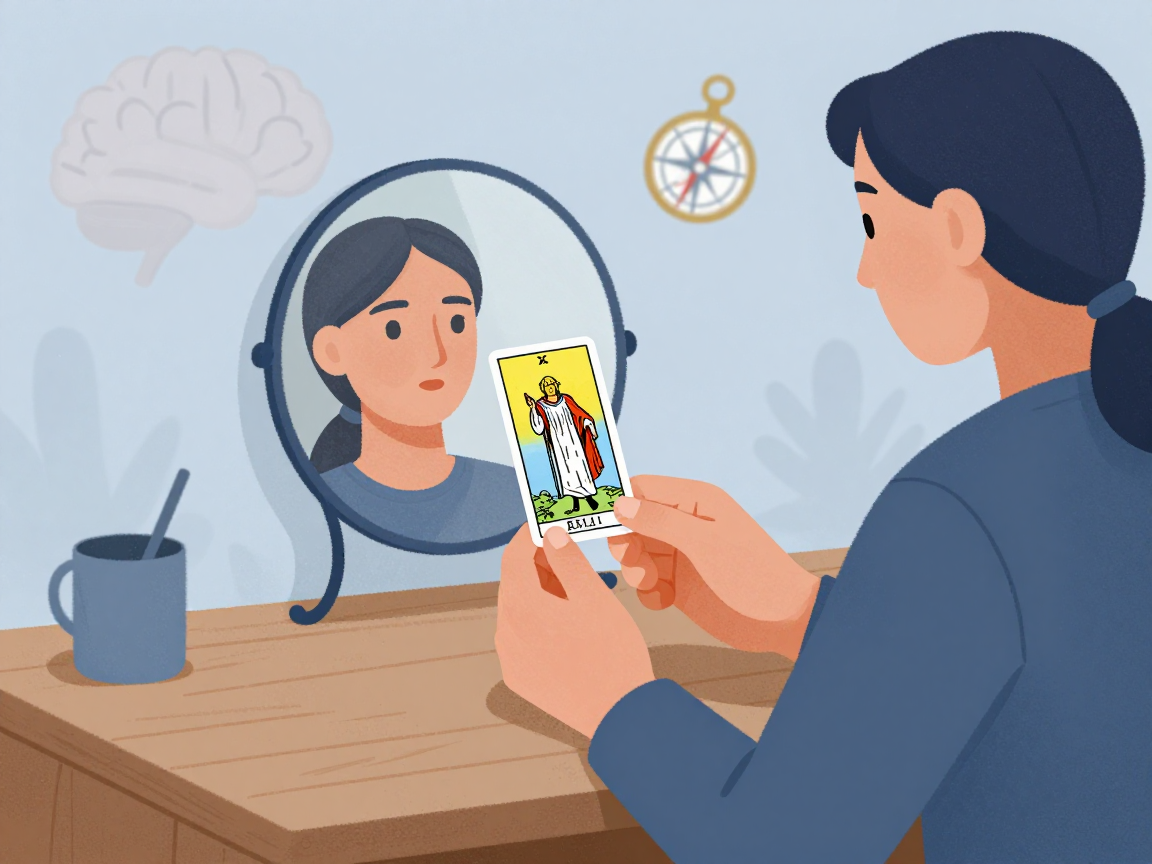
For decades, the mention of tarot cards evoked images of dimly lit rooms, crystal balls, and mysterious figures predicting the future. However, in recent years, the deck has migrated from the occult shop to the therapist - s office and the self - care routine. This shift is not necessarily about a sudden belief in magic, but rather an increasing interest in the psychology of tarot. Instead of telling us what will happen, the cards are being used to show us what is already happening inside our own minds. By treating the cards as a mirror rather than a window into the future, we can bypass the conscious ego and tap into the deeper narratives that guide our behavior.
When we look at a card like The Tower or The Empress, our brains do not just see ink and cardstock. We see stories. The human brain is a pattern - recognition machine, constantly seeking meaning in the chaos of daily life. The psychology of tarot leverages this biological drive by providing a structured set of symbols that allow us to externalize our internal conflicts. When we interpret a card, we are not uncovering a cosmic secret; we are engaging in a sophisticated form of projection that reveals our own biases, hopes, and hidden anxieties.
The Jungian Foundation: Archetypes and the Collective Unconscious
To understand the psychology of tarot, one must first look at the work of Carl Jung. Jung proposed that there are universal symbols and themes shared across all human cultures, which he called archetypes. These are the fundamental characters of the human experience: the Mother, the Hero, the Wise Old Man, and the Shadow. The tarot deck is essentially a catalog of these archetypal images. When we pull a card, we are interacting with a symbolic representation of a psychological state that is common to all people.
Jung believed that by engaging with these symbols, we could access the collective unconscious. In a modern psychological context, this means that tarot helps us identify which universal narrative we are currently living out. For example, pulling The Fool might signal a period of new beginnings and naive optimism, while The Hermit might reflect a need for introspection and withdrawal from the social world. By naming these states through imagery, we gain a sense of distance from them, allowing us to analyze our lives with more objectivity.
Projection and the Rorschach Effect
One of the most powerful mechanisms at play in the psychology of tarot is projection. This is the same principle used in the famous Rorschach inkblot test. Because tarot cards are rich with complex, often ambiguous imagery, the viewer must project their own meaning onto them to make sense of what they see. If you are feeling anxious about your career, you might see a warning in a card that someone else might see as a sign of liberation.
This process of projection serves as a bypass for the conscious mind - s defenses. Often, we find it difficult to admit our true feelings to ourselves because they conflict with our self - image. However, when we describe what is happening to the characters in a tarot card, we are often describing our own internal landscape without realizing it. This allows for a unique form of self - discovery where the cards act as a safe container for difficult emotions. We are not saying !I feel overwhelmed? ! instead, we are saying !This card looks like someone who is carrying too much?.
Cognitive Reframing and Narrative Therapy
Tarot also functions as a tool for cognitive reframing. Our mental health is heavily influenced by the stories we tell ourselves about our lives. If we believe we are victims of circumstance, our behavior will reflect that belief. The psychology of tarot allows us to shuffle the deck - both literally and figuratively - to see our situation from a different perspective. A card that might initially seem negative can be interpreted as an opportunity for growth or a necessary ending.
In narrative therapy, the goal is to help individuals !re - author? their lives. Tarot provides the vocabulary for this process. By introducing new symbols and themes into our personal narrative, we can break out of repetitive thought patterns. The cards force us to consider variables we might have ignored and help us build a more nuanced understanding of our current challenges. This is not about the cards having power; it is about the cards empowering the user to change their own story.
A 5-Step Framework for Psychological Tarot Practice
If you want to use the psychology of tarot for personal growth rather than divination, it helps to have a structured approach. This framework focuses on internal reflection rather than external prediction.
- Objective Observation: Look at the card and describe only what you see physically. What are the colors? What is the posture of the person? What is the weather like? This grounds you in the present moment.
- Subjective Resonance: Notice the first emotion that arises when you look at the image. Do you feel comforted, annoyed, or frightened? Do not judge the feeling; just name it.
- Personal Association: Ask yourself where this specific energy or situation is appearing in your life right now. Does the person in the card remind you of your boss, your partner, or a younger version of yourself?
- The Counter-Narrative: If you interpreted the card negatively, try to find a positive interpretation. If you saw it as positive, look for a hidden challenge. This prevents one - dimensional thinking.
- Actionable Insight: Based on the reflection, identify one small, real - world action you can take. The goal is to move from the symbolic world back into the physical world with a clear intention.
Understanding the Barnum Effect and Meaning - Making
Skeptics often point to the Barnum Effect - the psychological phenomenon where individuals believe that generic personality descriptions apply specifically to them - to explain why tarot feels accurate. While it is true that tarot card meanings are often broad enough to apply to many situations, this does not diminish their psychological utility. In fact, the psychology of tarot suggests that the !generic? nature of the cards is exactly what makes them useful.
Because the cards are broad, they act as a blank canvas. The accuracy people feel is not a result of the card being a perfect fit; it is a result of the person - s mind actively looking for the fit. This is a process of !meaning - making?. In a world that often feels chaotic and meaningless, the act of sitting down and intentionally creating meaning out of a random draw can be deeply grounding and therapeutic. It provides a sense of agency and coherence.
The Role of Synchronicity in Mental Health
Jung also introduced the concept of synchronicity, which he defined as !meaningful coincidences?. From a psychological standpoint, whether or not a card was !meant? to be pulled is less important than how we react to the coincidence of pulling it. When we pull a card that seems perfectly timed for our current crisis, it creates a moment of profound psychological impact.
This sense of synchronicity can act as a catalyst for change. It captures our attention in a way that a standard logical thought might not. In the psychology of tarot, these moments of !magic? are actually moments of heightened awareness. They jolt us out of our autopilot mode and force us to pay attention to our inner lives. This heightened state of awareness is often the first step toward significant behavioral change or emotional healing.
Practical Benefits of a Tarot - Informed Mindset
Integrating the psychology of tarot into your life can offer several mental health benefits. It is a low - cost, accessible tool for mindfulness and introspection. Here are some of the common benefits observed by those who use tarot psychologically:
- Reduced Anxiety: By externalizing worries onto the cards, the problems feel more manageable and less personal.
- Enhanced Problem Solving: Looking at a situation through the lens of different card meanings can spark creative solutions that logic alone might miss.
- Emotional Regulation: Identifying a feeling in a card helps people label their own emotions, which is a key component of emotional intelligence.
- Increased Self-Awareness: Regular practice helps uncover recurring themes and patterns in one - s life that might otherwise go unnoticed.
- Improved Communication: Using the cards as a prompt for journaling or discussion can help people articulate complex feelings to themselves or others.
Integrating Tarot into Modern Self - Care
Ultimately, the psychology of tarot is about the intersection of art, symbol, and the human mind. It acknowledges that we are not just logical beings; we are also creative, symbolic, and narrative beings. By engaging with tarot as a psychological tool, we honor the part of ourselves that speaks in images and metaphors. This approach removes the pressure of having to believe in the supernatural, making the practice accessible to everyone from the hardcore scientist to the spiritual seeker.
When we stop asking the cards !What will happen to me?? and start asking !How do I feel about this?? we transform the tarot into a powerful instrument for mental clarity. It becomes a ritual of checking in with ourselves in a world that constantly demands we check out. Whether you use it daily or just during times of transition, the psychology of tarot offers a structured way to explore the vast and often confusing landscape of the human psyche. It reminds us that while we cannot always control the cards we are dealt, we have full agency in how we choose to interpret and play the hand.