More Than a Pleasant Scent: A Grounded Guide to Mindful Palo Santo Use
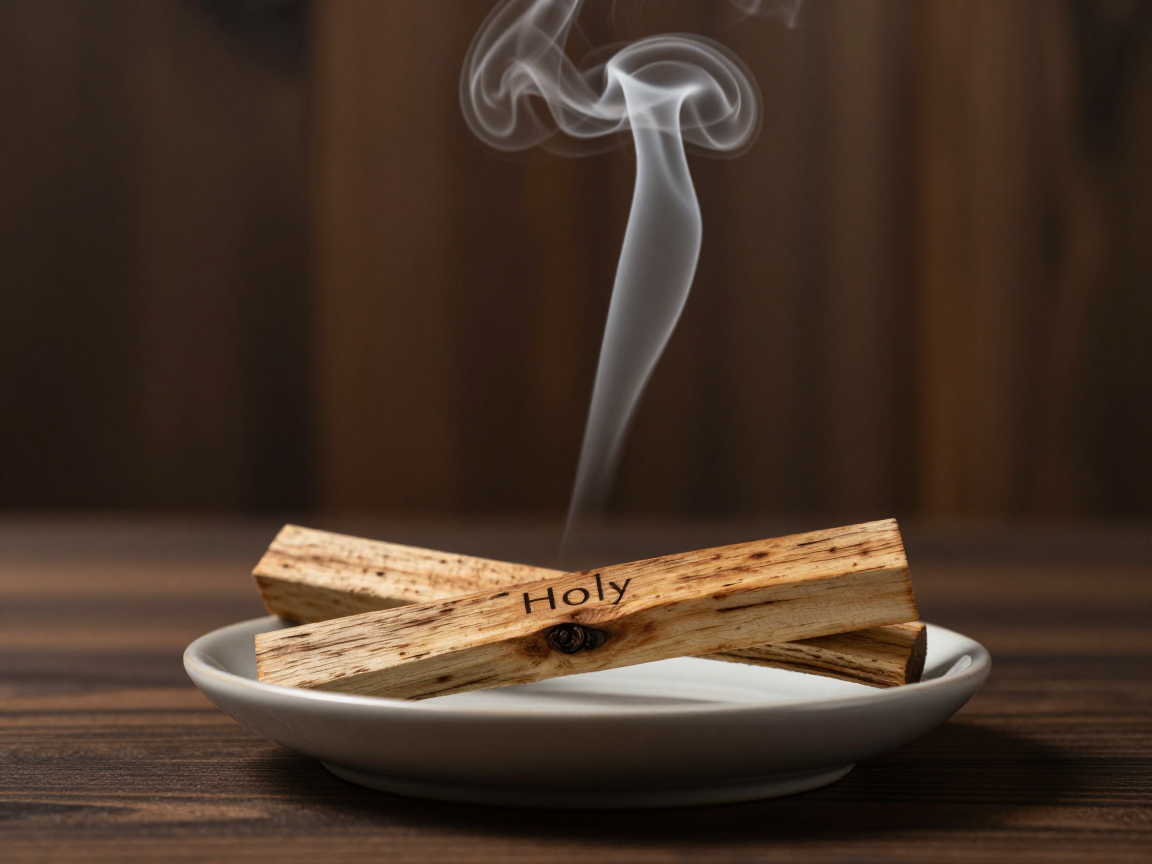
Walking into a room where Palo Santo has recently been burned feels like stepping into a different atmosphere altogether. There is a sweetness to the air - a complex blend of citrus, pine, and mint - that seems to linger just long enough to settle the mind without overstaying its welcome. For many, Palo Santo use has become a staple of the modern home, bridging the gap between ancient botanical tradition and contemporary wellness. But beneath the pleasant aroma lies a deeply rooted history and a specific set of practices that turn a simple piece of wood into a tool for transformation.
While it is easy to view these sticks as mere incense, the true value of Palo Santo use is found in the intention behind it. Originating from the dry forests of South America, specifically the coastal regions of Ecuador and Peru, the Bursera graveolens tree has been revered for centuries. Known as "Holy Wood" (the literal translation of Palo Santo), its smoke has been used by indigenous cultures to clear negative energy, provide medicinal relief, and prepare spaces for sacred ceremony. Understanding how to incorporate this botanical ally into your daily life requires a balance of respect for its origins and a practical knowledge of how to handle the material itself.
The Unique Chemistry Behind the Smoke
To understand why palo santo use is so effective for shifting a mood, it helps to look at the science of the wood itself. Unlike many other aromatic woods, Palo Santo is incredibly rich in terpenes. The most prominent of these is limonene, the same compound found in the peels of citrus fruits. Limonene is well - documented in aromatherapy for its ability to reduce stress and promote a sense of uplifted focus. When you burn the wood, these compounds are released into the air, interacting with your olfactory system to trigger a physiological relaxation response.
Furthermore, the wood contains high concentrations of alpha - terpineol, which contributes to the grounding, woody notes of the scent. This chemical profile is only achieved when the tree dies naturally and is allowed to rest on the forest floor for several years. During this period of decay, the resin within the wood crystallizes and matures, creating the potent essential oils that make Palo Santo so distinct. This is why sustainable Palo Santo use is not just an ethical choice but a quality choice - wood harvested from living trees lacks the aromatic depth and therapeutic properties of naturally fallen timber.
A Step-by-Step Guide to Intentional Palo Santo Use
If you are new to this practice, you might find that the wood behaves differently than traditional incense sticks. Palo Santo does not burn continuously; it is meant to be lit, enjoyed for a few moments, and then allowed to extinguish. This intermittent nature encourages a more mindful, present approach to the ritual.
- Preparation and Intention: Before you strike a match, take a moment to define why you are engaging in this practice. Are you trying to clear the tension after a long workday? Are you preparing for a meditation session? Setting a clear mental objective enhances the psychological benefits of the experience.
- The Lighting Process: Hold one end of the Palo Santo stick and tilt it at a 45 - degree angle. Use a candle, lighter, or match to light the tip. Allow the wood to burn for about 30 to 60 seconds until a bright orange ember is established.
- The Ember and the Smoke: Gently blow out the flame. You should see a steady stream of white smoke rising from the glowing tip. If the smoke stops too quickly, you may need to relight it for a slightly longer duration to ensure the ember is deep enough.
- Moving Through the Space: If you are clearing a room, walk slowly around the perimeter. Use your hand or a feather to waft the smoke into corners, doorways, and areas where energy feels stagnant. For personal use, simply move the stick around your body, from head to toe, focusing on the sensation of the scent.
- Extinguishing Safely: Place the stick in a fireproof bowl - such as one made of ceramic, metal, or abalone shell. The stick will go out on its own within a minute or two. Never leave a smoldering stick unattended.
5 Practical Scenarios for Palo Santo Use
While many people associate the wood with spiritual ceremonies, there are numerous practical ways to integrate it into a modern lifestyle. Its versatile nature makes it an excellent companion for various daily transitions.
1. Resetting After Social Exhaustion
For those who are sensitive to the moods of others, coming home after a crowded event or a stressful meeting can feel heavy. Using Palo Santo upon your return serves as a sensory "boundary marker." The scent signals to your brain that you are back in your own private sanctuary, helping you shed the lingering stress of the outside world.
2. Enhancing Creative Focus
The limonene content in Palo Santo is particularly useful for deep work. Many writers and artists use the wood to signal the start of a creative session. The act of lighting the wood creates a ritualistic "on - switch" for the brain, while the scent helps sharpen focus and reduce the mental chatter that often leads to procrastination.
3. Transitioning Between Work and Rest
As remote work becomes more common, the lines between professional and personal life have blurred. A quick Palo Santo use ritual at 5:00 PM can help define the end of the workday. By physically "clearing" your desk area with smoke, you create a psychological barrier that prevents work anxieties from bleeding into your evening relaxation.
4. Clearing a New Home or Object
There is a long - standing tradition of using Holy Wood to refresh a new living space. If you have recently moved or purchased a piece of vintage furniture, the smoke can be used to symbolically claim the space as your own. It is a way of saying "I am starting fresh here," which can be a powerful tool for emotional grounding.
5. Deepening a Yoga or Meditation Practice
Because the scent of Palo Santo is so distinct, it can be used to anchor a specific state of mind. If you only burn the wood before meditation, your brain will eventually begin to associate that smell with stillness. Over time, simply smelling the unlit wood can be enough to lower your heart rate and prepare you for a deeper practice.
The Essential Ethics of Palo Santo Use
As the popularity of this botanical has grown, so have concerns regarding its sustainability. It is vital to recognize that Bursera graveolens is a protected species in certain regions. To ensure your palo santo use is ethical and respectful, you must be a conscious consumer.
- Verify the Source: Look for suppliers who work directly with communities in Peru or Ecuador that practice reforestation. Ethical harvesting only involves wood that has died and fallen naturally.
- Understand the Difference: Ensure you are buying Bursera graveolens and not other woods that are sometimes mislabeled.
- Respect the Culture: Remember that for many indigenous people, this is a sacred plant medicine. Approach your ritual with gravity and gratitude rather than treating it as a disposable trend.
- Minimize Waste: Because the wood is so potent, you only need a small amount of smoke. A single stick can last for dozens of uses if handled properly. Avoid letting it burn unnecessarily.
Common Mistakes to Avoid
To get the most out of your experience, be mindful of these frequent errors that beginners often make:
- Using Too Much Smoke: Unlike sage, which produces a very thick, heavy smoke, Palo Santo is more subtle. You do not need to fill the room until it is hazy. A light wisp is usually sufficient to change the atmosphere of a space.
- Poor Ventilation: While you want the scent to linger, you should never burn incense in a completely sealed room. Always ensure there is a small amount of airflow - such as a cracked window - to keep the air fresh.
- Ignoring the Quality of the Ember: If the stick keeps going out immediately, it is likely because the wood is too damp or the ember didn't catch deep enough. If the wood feels heavy or doesn't smell like anything until it's lit, it may not have been aged long enough.
- Rushing the Process: The benefit of Palo Santo use is largely found in the slowing down. If you are waving the stick around frantically while thinking about your to - do list, you are missing the primary benefit of the ritual.
A Simple Daily Ritual Checklist
If you want to start a consistent practice, use this checklist to ensure a meaningful experience every time:
- Is the room relatively tidy? (Physical clutter can interfere with the feeling of mental clarity).
- Do I have a fireproof vessel ready for the stick?
- Am I breathing deeply before I light the wood?
- Have I set a single - word intention (e.g., "Peace," "Focus," "Release")?
- Am I holding the stick long enough to create a lasting ember?
- Am I moving with slow, deliberate gestures?
In a world that feels increasingly fast and digital, the tactile and aromatic experience of Palo Santo use offers a much - needed return to the senses. It reminds us that our environment has a profound impact on our internal state and that we have the power to shift that environment with something as simple as a piece of wood and a clear intention. By approaching this practice with knowledge and respect, you turn a daily habit into a genuine moment of sanctuary.