The Invisible Architecture of Your Life: Why Noticing Patterns Is the Key to Lasting Change
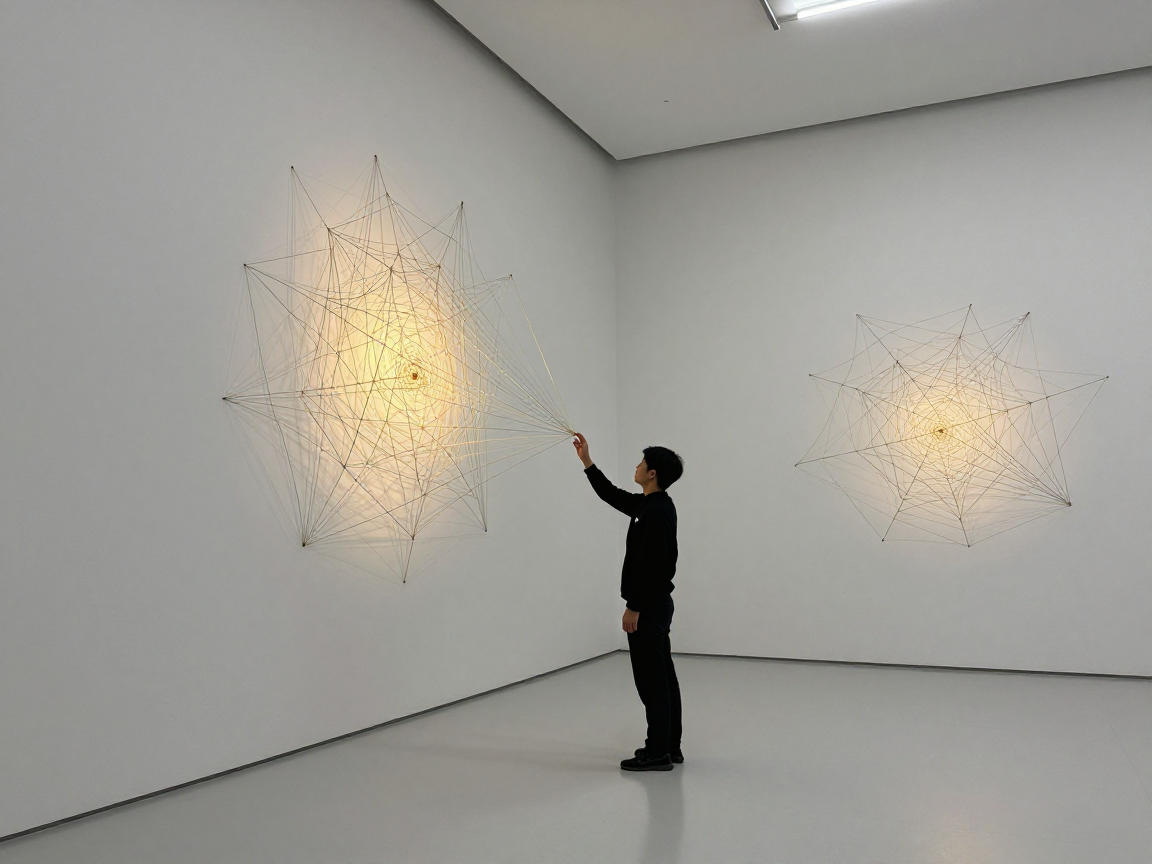
Have you ever felt like you are starring in a movie where the actors change but the script remains exactly the same? Perhaps you find yourself in a third consecutive job where the manager is overbearing, or you realize your latest relationship is echoing the exact same arguments you had three years ago. These moments of eerie familiarity are not coincidences. They are the visible threads of the invisible architecture that governs our lives. Most of our existence is governed by subconscious loops that dictate how we react, how we spend, and how we love. Until we begin the deliberate practice of noticing patterns, we are essentially passengers in a vehicle driven by our past experiences.
Noticing patterns is more than just a cognitive quirk or a survival mechanism inherited from our ancestors who needed to know when the tigers were likely to hunt. In the modern world, it is a high - level skill of self - mastery. It is the ability to zoom out from the immediate chaos of a Tuesday afternoon and see the trajectory of your entire year. When you master the art of noticing patterns, you stop asking "Why is this happening to me?" and start asking "What is the structure of this situation?" This shift from victimhood to observation is where real transformation begins.
The Biological Basis of Noticing Patterns
Our brains are essentially sophisticated pattern - recognition machines. From a neurological perspective, the brain is constantly trying to conserve energy by automating as much of our behavior as possible. This is why you can drive home from work without consciously remembering every turn or gear shift. The brain identifies a pattern, creates a neural pathway, and then stops paying active attention to the process. This efficiency is a double - edged sword. While it allows us to perform complex tasks with ease, it also locks us into behavioral ruts that can be incredibly difficult to see while we are inside them.
At the center of this process is the Reticular Activating System (RAS). This is a bundle of nerves at our brainstem that acts as a filter for the information we perceive. Since we cannot possibly process the millions of bits of data coming at us every second, the RAS filters for what it deems important. If you have a deep - seated belief that "people are untrustworthy", your RAS will prioritize noticing patterns of betrayal or dishonesty while filtering out evidence of loyalty and kindness. Noticing patterns, therefore, requires a conscious recalibration of your mental filters. It involves teaching your brain to look for the data points you have previously ignored.
This neurological automation means that most of our "choices" are actually just reactions based on historical data. If you felt neglected as a child, you might develop a pattern of over - functioning in your adult relationships to ensure no one leaves. You aren't choosing to be exhausted; you are following a pattern your brain believes is necessary for survival. The work of noticing patterns is the work of bringing these survival strategies into the light of the conscious mind.
The Most Common Cycles We Fail to See
Before we can break a cycle, we have to admit it exists. Most people spend their lives in a state of "pattern blindness", assuming that their problems are the result of bad luck, difficult people, or an unfair world. While external factors certainly exist, the common denominator in all your recurring problems is usually you. Noticing patterns often starts with identifying these three major areas of repetition.
Relationship Echoes
Relationships are perhaps the most prominent stage for recurring patterns. Many people find themselves dating the same "type" of person over and over, even if that type is destructive. You might notice a pattern of "The Rescuer" where you always find someone who needs fixing, or "The Ghoster" where you are consistently drawn to emotionally unavailable partners. These are not just bad choices; they are attempts by the subconscious to resolve an old wound or stay within a familiar, albeit painful, comfort zone.
Financial and Career Plateaus
Have you ever noticed that no matter how much money you make, you always end up with the same balance in your savings account by the end of the month? Or perhaps you reach a certain level of success in your career and then suddenly experience a string of setbacks that knock you back down? These are patterns of "self - regulation". Your subconscious has a preset "thermostat" for how much success or security you are allowed to have. Noticing patterns in your spending or your work habits can reveal the exact moment you start to self - sabotage because you have exceeded your internal comfort limit.
Emotional Default Settings
We all have a "home base" emotion. For some, it is anxiety; for others, it is anger or melancholy. You might find that even on a perfectly good day, your mind looks for a reason to return to that default state. Noticing patterns in your emotional transitions can help you see how you manufacture stress or drama just to return to a feeling that, while unpleasant, feels "normal" to your nervous system.
The Pattern Discovery Protocol: How to See the Unseen
If you want to move from being an actor in the script to being the director, you need a systematic approach. Noticing patterns is a muscle that must be trained. Use this five - step protocol to begin deconstructing the loops in your life.
- The Data Collection Phase: For the next two weeks, keep a "Pattern Journal". Do not try to change anything yet. Simply record moments of high emotion - whether it is a spike of anger, a wave of sadness, or a sudden burst of anxiety. Note what happened immediately before the feeling and what your internal monologue said.
- The Common Denominator Search: Review your notes at the end of the month. Look for recurring themes. Do your emotional spikes always happen around a certain person? Do they happen at a specific time of day? Do they always involve a fear of being judged?
- The Origin Inquiry: Once you identify a recurring theme, ask yourself: "When is the first time I remember feeling this way?" Often, the patterns we play out at thirty - five are strategies we developed at seven. Identifying the origin helps detach the emotion from the present moment.
- The Secondary Gain Assessment: Every pattern, no matter how self - destructive, provides a "secondary gain". It serves a purpose. Does your pattern of procrastination protect you from the fear of being judged on your best effort? Does your pattern of illness get you the attention you crave? You must be brutally honest about what you are getting out of the pattern.
- The Pattern Interruption: This is the most difficult step. Once you see the pattern starting - for example, you feel the urge to start an argument with your partner because you feel too vulnerable - you must do something different. Anything different. Stand up, take a cold shower, or simply name the pattern out loud. "I am noticing a pattern of wanting to push you away because I feel scared". This interruption breaks the neurological circuit.
Why We Resist the Truth of Our Own Patterns
Noticing patterns is often uncomfortable because it requires us to take 100% responsibility for our reality. It is much easier to believe that we are stuck in a bad job because the economy is poor than to admit we have a pattern of avoiding challenging opportunities out of a fear of failure. Our ego is designed to protect our self - image, and admitting to a pattern often feels like admitting to a flaw.
Furthermore, patterns provide a sense of certainty. The human brain prefers a familiar hell to an unfamiliar heaven. Even if a pattern is making you miserable, it is predictable. You know how the argument will end. You know how the financial struggle feels. Stepping out of a pattern means stepping into the unknown, which the nervous system interprets as a threat. This is why noticing patterns is an act of bravery. You are choosing the discomfort of growth over the comfort of stagnation.
Cultivating a Pattern - Seeker Mindset
To make noticing patterns a permanent part of your lifestyle, you must move beyond occasional journaling. It should become a lens through which you view the world. Consider this checklist of habits to maintain your clarity:
- Practice Mindfulness: It is impossible to notice patterns if you are constantly distracted. Five minutes of daily silence can significantly increase your ability to observe your thoughts rather than being consumed by them.
- Audit Your Environment: Our external space often mirrors our internal patterns. Is your desk always cluttered when you are avoiding a big project? Is your fridge empty when you feel emotionally depleted? These physical cues are early warning signs.
- Listen to Your Body: Patterns often manifest physically before they reach the conscious mind. Tightness in the chest, a clenched jaw, or a knot in the stomach are often the body's way of saying "Here we go again".
- Seek Outside Perspectives: Sometimes we are too close to the canvas to see the painting. A trusted friend, a coach, or a therapist can often see patterns in our stories that we are completely blind to. When someone says "I've noticed you always do [X] when [Y] happens", listen without defensiveness.
The Freedom of the New Loop
Noticing patterns is not just about stopping the bad stuff; it is about consciously creating the good stuff. Once you understand how patterns are formed, you can begin to build "Success Loops". You can intentionally create a pattern of morning movement, a pattern of gratitude, or a pattern of courageous communication.
True freedom is not the absence of patterns - it is the ability to choose which patterns you live by. When you stop being a victim of your history and start being an architect of your future, every area of your life begins to align. The invisible architecture becomes visible, and for the first time, you have the tools to renovate your reality from the inside out. Start small, stay curious, and keep watching the threads. The life you want is hidden just behind the cycles you are ready to break.