Why You Feel Stuck in Fight-or-Flight and How to Perform a Total Nervous System Reset
In our modern world, the sensation of being constantly on edge has become a normalized baseline. We wake up to the jarring sound of an alarm, immediately check a smartphone filled with urgent notifications, and spend our days navigating high-pressure environments that our ancestors would have perceived as constant threats. This persistent state of high alert is not just a mental burden; it is a physiological one. When your body remains in a state of chronic activation, it loses its ability to return to a baseline of rest, leading to a phenomenon often described as being "tired but wired".
To break this cycle, it is necessary to go beyond simple relaxation techniques like watching television or taking a nap. True recovery requires a physiological shift - a nervous system reset - that communicates directly with the ancient parts of your brain responsible for survival. By understanding how the autonomic nervous system functions, you can move from a state of reactive survival into a state of proactive regulation, allowing your body to finally prioritize healing, digestion, and restorative sleep.
The Science of Survival: Why We Get Stuck
To understand why a nervous system reset is necessary, we must first look at the Autonomic Nervous System (ANS). The ANS is like the autopilot of the body, controlling everything from your heart rate to your pupillary response. It is divided into two primary branches: the sympathetic nervous system and the parasympathetic nervous system. Think of the sympathetic branch as the gas pedal (fight or flight) and the parasympathetic branch as the brake (rest and digest).
In a healthy system, these two branches dance together in a state of dynamic balance. When a threat appears - like a car suddenly swerving into your lane - the sympathetic system kicks in, flooding your body with cortisol and adrenaline. Once the threat passes, the parasympathetic system should ideally take over, slowing the heart and returning the body to a state of safety.
However, in the 21st century, the "threats" rarely disappear. The threat is the mortgage, the unread emails, or the social media comparison trap. Because these stressors are chronic rather than acute, the gas pedal remains floored. Over time, the body loses its "vagal tone", making it harder and harder to engage the brake. This is when people begin to feel symptoms of burnout, chronic anxiety, and physical inflammation. A nervous system reset is the process of manually engaging that brake to remind the body that it is, in fact, safe.
Signs Your Body Is Craving a Reset
Many of us have lived in a state of dysregulation for so long that we no longer recognize what a regulated system feels like. We assume that brain fog, irritability, and digestive issues are just parts of getting older or having a busy job. In reality, these are often SOS signals from a system that is stuck in a loop of hyper-vigilance.
If you find yourself experiencing several of the following symptoms, your body is likely operating in a chronic sympathetic state:
- Difficulty falling or staying asleep: Even when you are exhausted, your mind continues to race.
- Digestive distress: Bloating, acid reflux, or IBS symptoms often flare up during periods of high stress.
- Exaggerated startle response: You jump or feel a surge of panic at small noises or unexpected touches.
- Emotional volatility: You find yourself snapping at loved ones or feeling overwhelmed by minor inconveniences.
- Chronic muscle tension: Particularly in the jaw, neck, and shoulders, as the body prepares for a physical fight that never comes.
- High sensitivity to light or sound: Your sensory processing becomes overwhelmed because the brain is scanning for danger.
The Vagus Nerve: Your Internal Reset Button
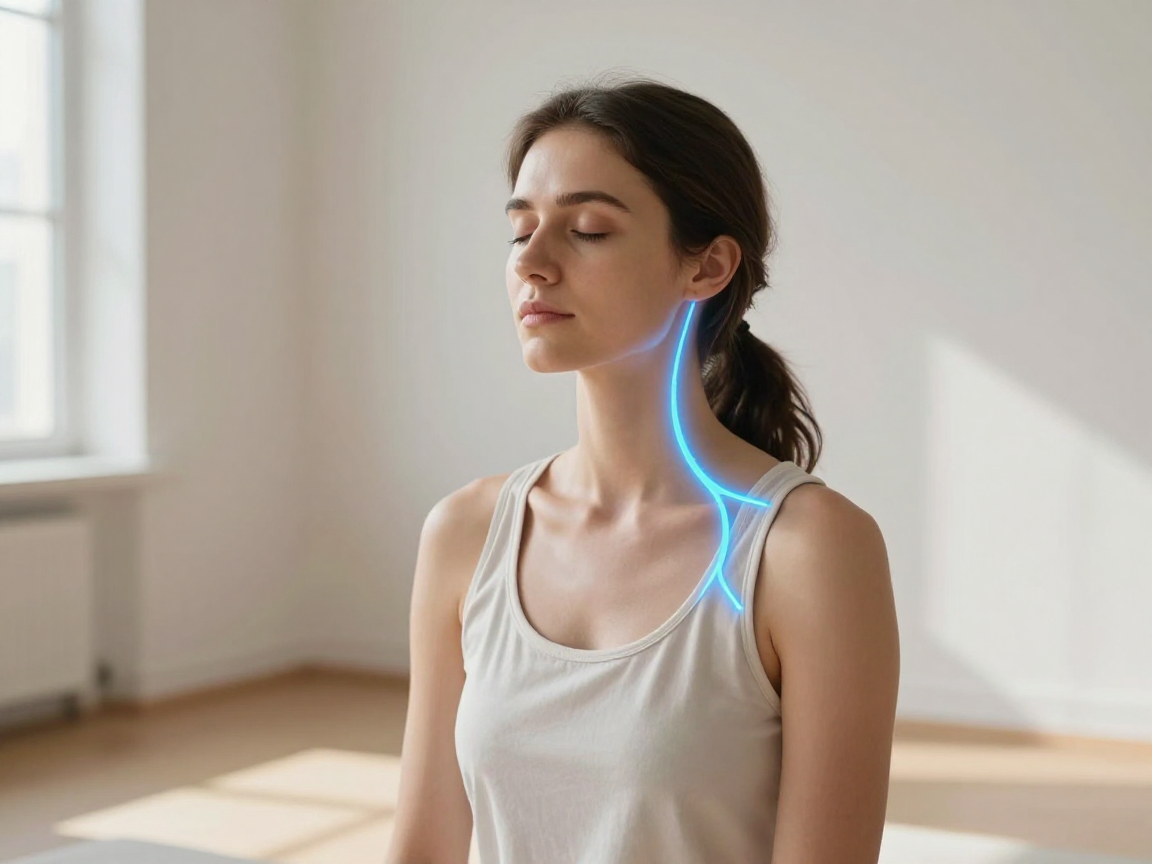
The key to a successful nervous system reset lies in the vagus nerve. As the longest cranial nerve in the body, the vagus nerve acts as a two-way information superhighway between the brain and the internal organs. It is the primary component of the parasympathetic nervous system. When the vagus nerve is stimulated, it sends a message to the brain that says, "We are safe, you can stand down".
Improving your vagal tone is the goal of most regulation exercises. High vagal tone is associated with emotional resilience, the ability to calm down quickly after a stressor, and better cardiovascular health. Low vagal tone, on the other hand, keeps you trapped in the "stress loop". By using specific physical interventions, we can stimulate the vagus nerve and initiate an immediate nervous system reset.
5 Effective Techniques for an Immediate Nervous System Reset
When you feel the walls closing in or the familiar hum of anxiety rising in your chest, you need tools that work quickly. These five techniques are grounded in neurobiology and are designed to shift your state in ten minutes or less.
1. The Physiological Sigh
Popularized by neurobiologist Andrew Huberman, this is one of the fastest ways to lower your heart rate. It involves a double inhale followed by a long, slow exhale. The second, short inhale at the very top of the breath re-inflates the tiny air sacs in the lungs (alveoli), allowing for a more efficient exchange of oxygen and carbon dioxide. The long exhale then triggers the vagus nerve to slow the heart.
2. The Mammalian Dive Reflex
Splashing cold water on your face - or better yet, submerging your face in a bowl of cold water for 15 to 30 seconds - triggers an ancient survival mechanism called the Mammalian Dive Reflex. This reflex immediately slows the heart rate and redirects blood flow to the brain and heart, acting as a powerful physical nervous system reset.
3. Humming or Chanting
The vagus nerve passes right by the vocal cords and through the inner ear. The mechanical vibration of humming, singing, or even making a low "vooo" sound can stimulate the nerve through the throat. This is why many ancient meditative traditions use chanting; it is a built-in way to soothe the nervous system.
4. Box Breathing
Used by elite athletes and Navy SEALs, box breathing creates a predictable rhythm that the brain finds deeply comforting. Inhale for four seconds, hold for four, exhale for four, and hold for four. The "hold" after the exhale is particularly important for a nervous system reset, as it encourages the body to remain calm even when carbon dioxide levels slightly rise.
5. Peripheral Vision Expansion
When we are stressed, our vision narrows into a "tunnel". This is a survival mechanism to focus on a threat. By consciously softening your gaze and expanding your vision to see the periphery - the walls to your left and right - you signal to the brain that there is no immediate predator to focus on. This simple shift in optics can down-regulate the sympathetic system almost instantly.
The Window of Tolerance: A Framework for Healing
Understanding your "Window of Tolerance" is essential for long-term nervous system health. This concept, developed by Dr. Dan Siegel, describes the zone where we can function and manage our emotions effectively. Within this window, we can handle the ups and downs of life without becoming completely overwhelmed.
When we are pushed outside of this window, we enter one of two states:
- Hyper-arousal: This is the "fight or flight" zone. You feel anxious, angry, or overwhelmed. Your heart races, and you cannot think clearly.
- Hypo-arousal: This is the "freeze" or shutdown zone. You feel numb, disconnected, depressed, or lethargic. This is the body's last-ditch effort to protect itself by checking out.
A consistent nervous system reset practice helps to widen this window. Over time, things that used to send you into a panic or a shutdown no longer have the same impact. You become more resilient because your baseline is one of regulation rather than depletion.
A 10-Minute Daily Reset Routine
Consistency is more important than intensity when it comes to nervous system health. You do not need to spend an hour in meditation to see results. Instead, try this simple 10-minute daily routine to keep your system in balance.
- Minutes 1-3: Grounding. Sit or stand comfortably. Acknowledge three things you can see, two things you can hear, and one thing you can feel (the weight of your feet on the floor). This pulls you out of your head and into your body.
- Minutes 4-6: Breathwork. Perform the physiological sigh (double inhale, long exhale) five times. Follow this with a few minutes of slow, diaphragmatic breathing, ensuring your belly expands on the inhale.
- Minutes 7-9: Gentle Movement. Perform slow neck rolls or a seated spinal twist. These areas hold significant tension and are closely linked to the nerves that regulate our stress response.
- Minute 10: Affirmation of Safety. End by placing a hand on your heart and one on your belly. Say to yourself, "In this moment, I am safe". This might feel strange at first, but the brain responds powerfully to the combination of touch and kind internal dialogue.
Why Lifestyle Matters for Long-Term Regulation
While the techniques mentioned above are vital for acute stress, a permanent nervous system reset requires looking at the environment you live in. You cannot meditate your way out of a life that you are fundamentally allergic to. Long-term regulation requires us to audit our sensory input.
This means being mindful of the "digital noise" we consume. Constant scrolling through negative news or high-energy social media content keeps the brain in a state of perpetual comparison and fear. Prioritizing high-quality sleep is also non-negotiable; sleep is when the glymphatic system flushes toxins from the brain and the nervous system undergoes its natural repair process.
Furthermore, consider your physical environment. Clutter, harsh lighting, and constant noise are all low-level stressors that keep the sympathetic nervous system on a slow simmer. By creating a "sensory sanctuary" at home - even if it is just one corner of a room with soft lighting and comfortable textures - you provide your body with a physical cue that it is okay to rest.
Moving from Survival to Vitality
Performing a nervous system reset is not about eliminating stress entirely. Stress is a natural part of the human experience. Rather, it is about restoring the body's natural ability to recover from that stress. It is about moving from a life of frantic reaction to a life of intentional action.
When your nervous system is regulated, you have more energy for creativity, deeper connections with others, and a more robust immune system. You stop merely surviving the day and start actually living it. By incorporating these small, science-backed shifts into your daily life, you are teaching your body that it no longer needs to be on guard. You are giving yourself the gift of safety, one breath at a time.