Beyond the Bubble Bath: Why Nervous System Regulation is the Real Secret to Ending Chronic Burnout
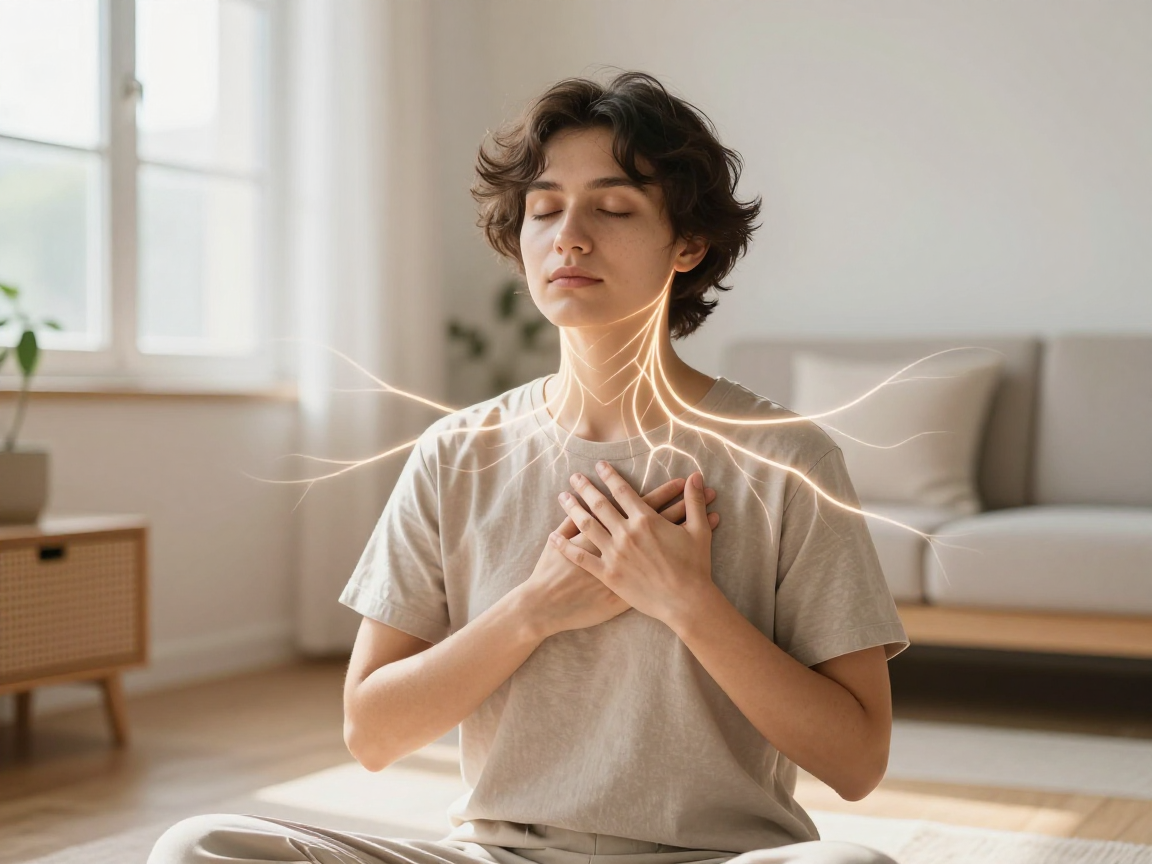
We live in an era where the word "stress" has become a permanent fixture of our daily vocabulary. We wear our busyness like a badge of honor, yet underneath the surface, many of us feel a persistent, low-level hum of anxiety that never quite goes away. You might try the standard self-care remedies—a weekend getaway, an expensive candle, or a long soak in a bubble bath—only to find that the moment you return to your routine, the tension snaps right back into place. This happens because these solutions address the superficial symptoms of stress rather than the physiological root: your autonomic nervous system.
True healing and resilience are not found in temporary escapes but in the consistent practice of nervous system regulation. This is the process of learning how to move your body out of a state of perceived threat and back into a state of safety. When your nervous system is regulated, you aren't just "calm" in a passive sense; you are resilient. You can handle the ups and downs of life without becoming completely overwhelmed or shutting down entirely. Understanding how to navigate your internal state is perhaps the most foundational skill you can develop for your long-term mental and physical health.
The Biology of Survival vs. The Biology of Safety
To understand nervous system regulation, we first have to understand what the nervous system is actually trying to do. Its primary job is not to make you happy, productive, or successful; its job is to keep you alive. To do this, it constantly scans your internal and external environment for cues of danger or cues of safety. This process, known as neuroception, happens entirely below the level of conscious thought. Your body decides if you are safe before your logical mind even has a chance to weigh in.
When your brain perceives a threat—whether it is a looming work deadline, a tense conversation, or a loud noise—it activates the Sympathetic Nervous System. This is your body's "gas pedal." It floods your system with cortisol and adrenaline, increases your heart rate, and prepares you for fight or flight. In a healthy, flexible system, once the threat has passed, the Parasympathetic Nervous System—the "brakes"—kicks in to bring you back to a state of "rest and digest."
However, in our modern world, the threats are often chronic rather than acute. We never truly get the signal that the danger is over. As a result, many people find themselves stuck in a state of chronic dysregulation. This means your body is essentially operating with the gas pedal floored even when you are trying to sleep, or perhaps the system has become so overloaded that it has opted for a "freeze" response, leaving you feeling numb, disconnected, and heavy. Nervous system regulation is the art of teaching your body that the "lion" is no longer in the room.
The Three States of Polyvagal Theory
To deepen our understanding of nervous system regulation, we look to Polyvagal Theory, developed by Dr. Stephen Porges. This theory identifies three primary states of the nervous system that dictate how we interact with the world:
- Ventral Vagal (The State of Social Engagement): This is the home base of a regulated system. In this state, you feel safe, connected, and curious. Your digestion works well, your heart rate is steady, and you can access the "thinking" part of your brain to solve problems and connect with others.
- Sympathetic (The State of Mobilization): This is the fight-or-flight zone. It is characterized by anxiety, irritation, or a frantic need to "do." Physiologically, your body is diverting resources away from your immune system and digestion to fuel your muscles for a perceived battle.
- Dorsal Vagal (The State of Immobilization): This is the "freeze" or shutdown response. When the system feels the threat is too great to fight or flee, it preserves energy by checking out. This feels like brain fog, depression, hopelessness, or a sense of being "paralyzed" by simple tasks.
Regulation doesn't mean staying in Ventral Vagal 100% of the time. It means having the flexibility to move into Sympathetic energy when you need to be productive and having the capacity to return to Ventral Vagal afterward without getting stuck in a loop of anxiety or collapsing into a Dorsal shutdown.
Signs Your Nervous System is Out of Balance
Dysregulation doesn't always look like a full-blown panic attack. It often shows up in subtle, everyday ways that we have been conditioned to accept as "just the way life is." Recognizing these signs is the first step toward reclaiming your well-being. Generally, dysregulation falls into two categories: hyper-arousal (too much energy) and hypo-arousal (too little energy).
Symptoms of Hyper-arousal (The Stuck Gas Pedal)
- Persistent racing thoughts or an inability to "turn off" the brain at night.
- Difficulty falling or staying asleep despite feeling exhausted.
- Digestive issues, such as acid reflux or "butterflies" in the stomach.
- Irritability, snap judgments, and a noticeably short temper with loved ones.
- The feeling of being "tired but wired."
- Perfectionism and an obsessive need for control over small details.
Symptoms of Hypo-arousal (The Stuck Brakes)
- Feeling numb, foggy, or disconnected from your body and emotions.
- Chronic fatigue that does not improve with sleep or rest.
- Procrastination and a feeling of being "stuck" or paralyzed by simple daily chores.
- Depression, a lack of motivation, or a feeling that nothing really matters.
- Social withdrawal and a persistent urge to hide away from the world.
When we fluctuate wildly between these two extremes—anxious all morning and collapsed all evening—we are living outside of our "Window of Tolerance." The goal of nervous system regulation is to widen this window so we can stay grounded even when life gets difficult.
Practical Tools for Immediate Regulation
If you find yourself outside of your Window of Tolerance, you need tools that work quickly to shift your physiological state. Here are six effective techniques to begin your journey with nervous system regulation. These are "bottom-up" tools, meaning they use the body to signal safety to the brain.
1. The Physiological Sigh
Popularized by neuroscientists, this is one of the fastest ways to signal to your brain that it is time to relax. Inhale deeply through your nose, then at the very top of that breath, take a second, shorter "sip" of air to fully expand the lungs. Follow this with a long, slow exhale through the mouth. Repeat this three times. The double inhale pops open the tiny sacs in your lungs (alveoli), allowing for more efficient carbon dioxide exchange and an immediate slowing of the heart rate.
2. Temperature Shifting
When you are stuck in a high-anxiety loop, a sudden change in temperature can act as a "reset button" for the vagus nerve. Splash ice-cold water on your face or hold an ice cube in your hand. The sensory intensity forces your system to pivot its attention and can trigger the mammalian dive reflex, which naturally lowers the heart rate and calms the sympathetic system.
3. Therapeutic Tremoring or Shaking
Have you ever seen a dog shake its whole body after a stressful encounter? They are literally "shaking off" the excess sympathetic energy to prevent it from becoming stored in the body. We can do the same. If you feel jittery or anxious, stand up and literally shake your arms, legs, and torso for 60 to 90 seconds. It may feel silly, but it helps discharge the physical energy of the fight-or-flight response.
4. Orienting to Safety
When we are stressed, our vision tends to narrow (tunnel vision). To signal safety, stop what you are doing and slowly let your eyes wander around the room. Find five blue objects. Notice the texture of the chair you are sitting on. Listen for the furthest sound you can hear. This "orienting" process tells your primitive brain, "I am here, I am in this room, and there is no immediate physical threat in my vicinity."
5. Vagus Nerve Massage
The vagus nerve runs from the brainstem down through the neck and into the abdomen. You can gently stimulate it by massaging the area just behind your earlobes or by gently humming. The vibration of humming or chanting stimulates the vocal cords, which are connected to the vagus nerve, sending a direct signal of safety to the heart and lungs.
6. Weighted Pressure
For those in a state of hypo-arousal (freeze), gentle pressure can help bring you back into your body. Using a weighted blanket or simply placing your own hands firmly on your chest and belly can provide a sense of containment and safety that encourages the system to soften and reconnect.
Building a Resilient System for the Long Term
While immediate tools are helpful for "putting out fires," true nervous system regulation is about building a lifestyle that supports a healthy baseline. You cannot regulate a system that is consistently deprived of its basic biological needs. This requires looking at your daily habits through the lens of safety.
Digital Hygiene: Scrolling through social media or reading negative news first thing in the morning forces your nervous system into a defensive posture before you have even gotten out of bed. Try to give yourself 30 minutes of "analog" time in the morning to allow your system to boot up in a state of safety.
The Role of Nutrition: Consider your relationship with caffeine and sugar. Both of these substances act as stimulants that can push a sensitive nervous system closer to the edge of hyper-arousal. If you are already prone to anxiety, that third cup of coffee might be keeping your body in a state of high alert.
Co-regulation: Humans are social creatures; our nervous systems are designed to heal in the presence of other safe, regulated humans. This is why a hug from a loved one or a calm conversation with a friend can feel so grounding. If you spend most of your time isolated or around people who are themselves highly dysregulated, your system will struggle to find its own balance. Seeking out "safe" people is a core part of the regulation process.
The Regulation Action Plan: A Weekly Checklist
To make nervous system regulation a habit, try incorporating these small checks into your week:
- Morning Check-in: Upon waking, ask yourself: "Which state am I in? Ventral, Sympathetic, or Dorsal?"
- Mid-day Reset: Perform three physiological sighs before eating lunch to ensure your body is in "rest and digest" mode for better absorption.
- Evening Unplug: Turn off screens 60 minutes before bed to allow your melatonin production to rise without the interference of blue light and digital stress.
- Movement for Discharge: At least twice a week, engage in movement that allows for the release of stored energy—this could be dancing, vigorous walking, or the shaking technique mentioned above.
- Nature Immersion: Spend 20 minutes in a natural environment. Nature provides "fractal" visual patterns that are naturally soothing to the human nervous system.
Moving from Survival to Vitality
Nervous system regulation is not a destination or a state of perfection; it is a continuous practice of checking in with yourself. It is the shift from asking "Why am I like this?" to asking "What does my body need right now?"
It requires a profound amount of self-compassion. When you find yourself snapping at a partner or feeling unable to get off the couch, remember that this is your nervous system trying to protect you in the only way it knows how. It isn't a character flaw; it's a biological response.
By learning these tools and understanding the language of your body, you move from being a victim of your stress response to being the steward of your own internal environment. You stop living in a state of constant emergency and start living in a state of presence. The result isn't just the absence of stress—it is the presence of vitality, creativity, and the capacity to truly enjoy your life. Regulation is the foundation upon which all other personal growth is built. Start small, be patient with your biology, and remember that safety is something you can cultivate from the inside out.