Beyond the Night: Why Understanding the Meaning of Dreams Is the Key to Self-Discovery
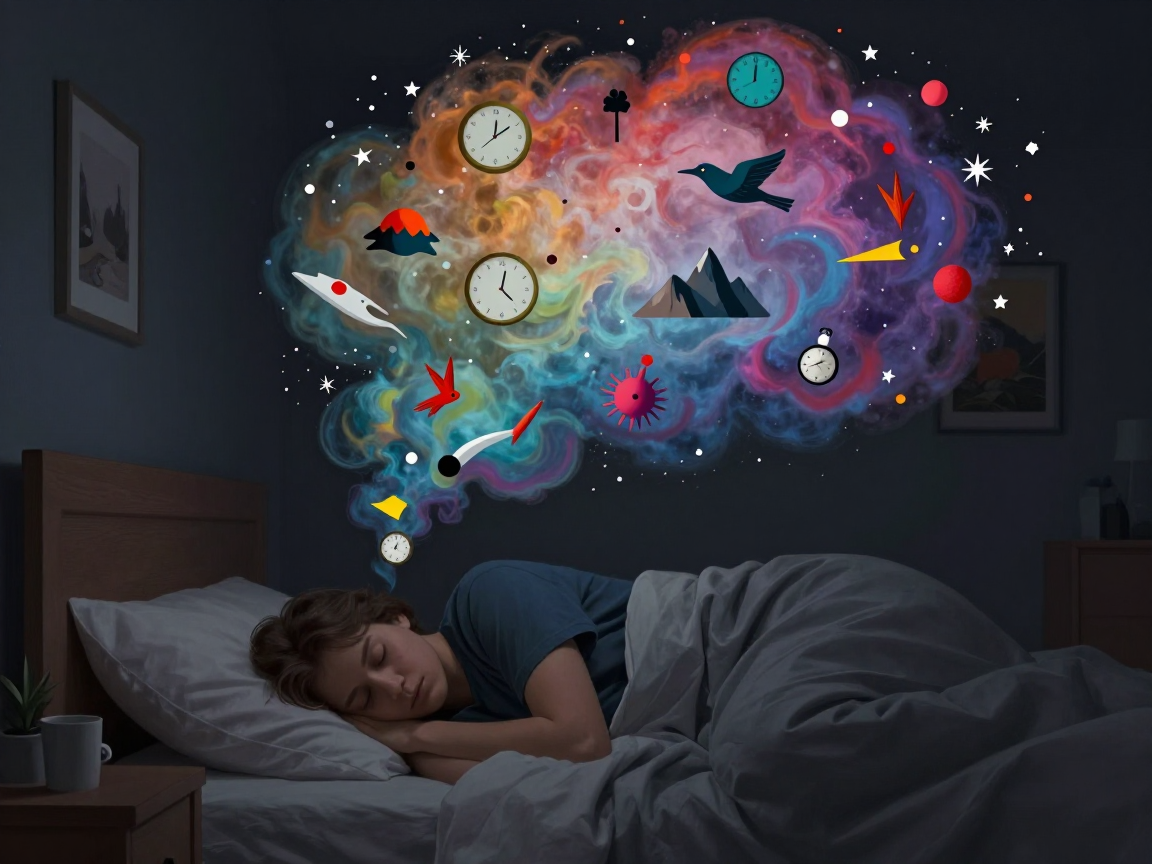
Every night, as we drift into the depths of REM sleep, our minds embark on journeys that defy the laws of physics and the boundaries of logic. We find ourselves flying over familiar cities, losing our teeth in crowded rooms, or being chased by shadows that never quite catch us. For centuries, humanity has obsessed over these nocturnal narratives, searching for the meaning of dreams in hopes of finding a hidden map to the soul or a glimpse into the future. Yet, the true value of these visions often lies not in prophecy, but in the intimate dialogue between our conscious awareness and our subterranean emotions.
While science has historically viewed dreaming as a byproduct of neural maintenance, modern psychology and neuroscience are beginning to find common ground. They suggest that the meaning of dreams is deeply tied to how we process trauma, solve complex problems, and regulate our emotional health. When we pay attention to what happens behind our closed eyelids, we aren't just looking at random firing neurons - we are observing the brain's attempt to make sense of a world that is often overwhelming and contradictory. Understanding this process allows us to transform a confusing night of sleep into a powerful tool for personal growth.
Why We Seek the Meaning of Dreams: A Historical Perspective
The quest to find the meaning of dreams is as old as civilization itself. Ancient Mesopotamians and Egyptians viewed dreams as divine messages, literal communications from gods or ancestors that required professional interpretation. In these cultures, a dream wasn't an internal psychological event but an external visitation. This perspective shifted dramatically with the advent of psychoanalysis in the late 19th century. Sigmund Freud famously described dreams as the "royal road to the unconscious" suggesting that they were the disguised fulfillment of repressed wishes. To Freud, the meaning of dreams was always hidden behind layers of symbolism designed to protect the dreamer from their own scandalous desires.
Carl Jung, Freud's contemporary and eventual rival, took a more expansive view. Jung believed that dreams were not trying to hide anything. Instead, he argued that they were a natural expression of the psyche attempting to achieve balance. Jung introduced the idea of the collective unconscious - a shared reservoir of symbols and archetypes like the Hero, the Shadow, and the Wise Old Man. For Jungians, the meaning of dreams is found by looking at how these universal stories play out in the individual's life. Today, we bridge these historical views with neuroscience, recognizing that while dreams use symbolic language, their ultimate function is often grounded in the very real biological need to consolidate memory and regulate mood.
Common Symbols and the Meaning of Dreams
While every dream is deeply personal, certain themes appear across cultures and generations. These universal motifs often point toward shared human anxieties and aspirations. Understanding the meaning of dreams requires looking past the literal image to the underlying feeling it evokes. Here are a few of the most frequent dream themes and what they typically signify in a psychological context:
- Falling: Frequently reported during the early stages of sleep, falling often mirrors a feeling of being out of control in one's waking life. It may signal a fear of failure or a sense that a situation is slipping through your fingers.
- Being Chased: This is perhaps the ultimate stress dream. The meaning of dreams involving a chase often centers on avoidance. What are you running from in reality? Is it a difficult conversation, a looming deadline, or an aspect of your own personality you are afraid to face?
- Losing Teeth: While many cultures associate this with bad luck or death, psychologists often link it to a loss of power or a fear of being judged. Teeth are symbols of vitality and communication; losing them suggests a struggle with self-expression or a blow to one's confidence.
- Flying: These dreams are often exhilarating and represent a sense of freedom or a "birds eye view" of a situation. They can indicate that you have successfully risen above a conflict or that you are tapping into a new level of creative potential.
- Being Unprepared for an Exam: Even decades after leaving school, many people have this dream. It rarely has anything to do with academic ability and everything to do with a fear of being exposed as a "fraud" or the pressure of being evaluated by others.
The Science of the Sleeping Brain
To truly grasp the meaning of dreams, we must look at the biology of the brain during REM (Rapid Eye Movement) sleep. During this phase, the amygdala - the brain's emotional center - is highly active, while the prefrontal cortex - the seat of logic and impulse control - is largely dampened. This explains why dreams are so emotionally vivid but logically incoherent. The brain is essentially running a simulation. By replaying emotional experiences in a safe environment, we are able to "strip" the painful charge from a memory, leaving behind the lesson without the trauma.
This is known as the Sleep to Forget, Sleep to Remember hypothesis. It suggests that the meaning of dreams is found in the way our brains weave new experiences into our existing web of knowledge. If you dream about a stressful meeting but the setting is a circus, your brain is likely trying to categorize the emotions of that meeting (perhaps feeling like a performer or a clown) within the context of your broader life experience. This creative processing is why we often wake up with a new perspective on a problem that seemed unsolvable the night before.
A Three - Step Framework for Decoding Your Dreams
You do not need a professional analyst to begin uncovering the meaning of dreams. Because you are the creator of the dream, you are also its most qualified interpreter. Use the following framework to analyze your next vivid dream sequence.
1. Identify the Emotional Resonance
Ignore the plot for a moment and focus on the feeling. Were you panicked, curious, lonely, or empowered? The emotion is the most honest part of the dream. Even if the imagery is nonsensical, the feeling is real. Ask yourself: "Where in my waking life have I felt this exact same way in the last 48 hours?"
2. Look for Personal Associations
If you dream of a dog, don't look up a generic "dream dictionary" definition. Instead, ask what a dog means to you. Is it a symbol of loyalty, or are you terrified of them because of a childhood bite? The meaning of dreams is built from your own personal vocabulary of symbols. A car might represent your career for one person, but for another, it represents a sense of physical safety.
3. Connect the Symbol to the Situation
Once you have the emotion and the personal symbol, look for the bridge to your daily life. If you felt "trapped" (emotion) inside a "burning library" (symbol for lost knowledge or a chaotic workspace), the dream might be reflecting your anxiety about a project at work that feels like it's falling apart. The dream is simply a metaphor for a reality you haven't yet fully acknowledged.
Practices to Enhance Dream Recall
You cannot find the meaning of dreams if you cannot remember them. Most people forget 90 percent of their dreams within the first ten minutes of waking up. To bridge the gap between the sleeping and waking mind, consistency is key. Consider the following checklist to improve your recall:
- Keep a dedicated journal: Place a notebook and pen directly next to your bed. Do not use your phone, as the blue light and notifications will instantly distract your brain and erase the dream memory.
- The "Stillness" Rule: When you first wake up, do not move. Stay in the exact position you woke up in and let the images float back to you. Movement often "resets" the brain's state and clears the short - term dream cache.
- Set an Intention: Before you fall asleep, tell yourself "I will remember my dreams tonight." This simple act of conscious intent primes the brain to hold onto the imagery.
- Record the "Vibe": If you can't remember a plot, just write down a single word for the mood you woke up with. Often, the act of writing the mood will trigger a flash of a specific dream image.
Why Meaning Matters More Than Accuracy
There is a common misconception that there is one "correct" interpretation for every dream. In reality, the meaning of dreams is dynamic. A dream you had five years ago might mean something entirely different to you today because your perspective has shifted. The goal of dream work isn't to find a single, static truth but to engage in a process of self-inquiry. When we ask "Why did my mind choose this image?" we are opening a door to parts of ourselves that we usually ignore during the busy hours of the day.
By treating our dreams with curiosity rather than dismissiveness, we validate our inner world. We begin to see that our anxieties, hopes, and creative impulses are constantly working to help us navigate life. Whether your dreams are a reflection of biological processing or a deep well of psychological wisdom, they remain one of the most fascinating aspects of being human. The next time you wake up from a strange, vivid encounter in the middle of the night, don't just brush it off as "weird" - lean into it. There is a profound clarity waiting to be discovered in the shadows of your sleep.