The Quiet Voice You Are Ignoring: 10 Practical Intuition Exercises to Reconnect with Your Inner Knowing
We live in an era that worships the spreadsheet and the logic gate. From a young age, we are taught to value only what can be measured, quantified, and proven through linear reasoning. While logic is an essential tool for navigating the physical world, it is often a clumsy instrument for navigating the complexities of human emotion, creative impulse, and the split - second decisions that define our lives. Beneath the surface of our analytical minds lies a far older and more sophisticated processing system: intuition.
Intuition is not a mystical gift reserved for a select few. It is a biological and psychological function - a form of rapid pattern recognition where the brain and body process information faster than the conscious mind can track. However, because our modern environment is filled with constant digital noise and external demands, this inner signal often becomes faint. To hear it again, we must intentionally cultivate it. By engaging in consistent intuition exercises, we can strengthen the neural pathways associated with our gut feelings, moving from a state of perpetual second - guessing to one of grounded confidence.
Understanding the Language of Your Internal Compass
Before diving into specific intuition exercises, it is vital to understand how intuition communicates. Unlike the loud, often frantic voice of our ego or our anxiety, intuition tends to be quiet, neutral, and direct. It does not usually provide a long list of reasons or justifications. It simply presents a sense of "yes" or "no" , a feeling of expansion or contraction, or a sudden flash of clarity that feels like a remembered truth.
Neurologists often refer to the gut as the "second brain" because of the enteric nervous system, a complex network of neurons lining our digestive tract. This is why we physically feel our intuition. When we say we have a "gut feeling" , we are describing a physiological response to information our subconscious has gathered. The goal of using intuition exercises is to lower the volume of the thinking mind so that these somatic signals can be felt and interpreted correctly.
10 Practical Intuition Exercises to Strengthen Your Inner Voice
Developing your intuition is similar to training a muscle. You would not expect to run a marathon without training, and you should not expect to rely on your intuition for major life changes if you have not practiced using it in low - stakes situations. These exercises are designed to build that baseline of trust.
1. The Red Light Green Light Body Scan
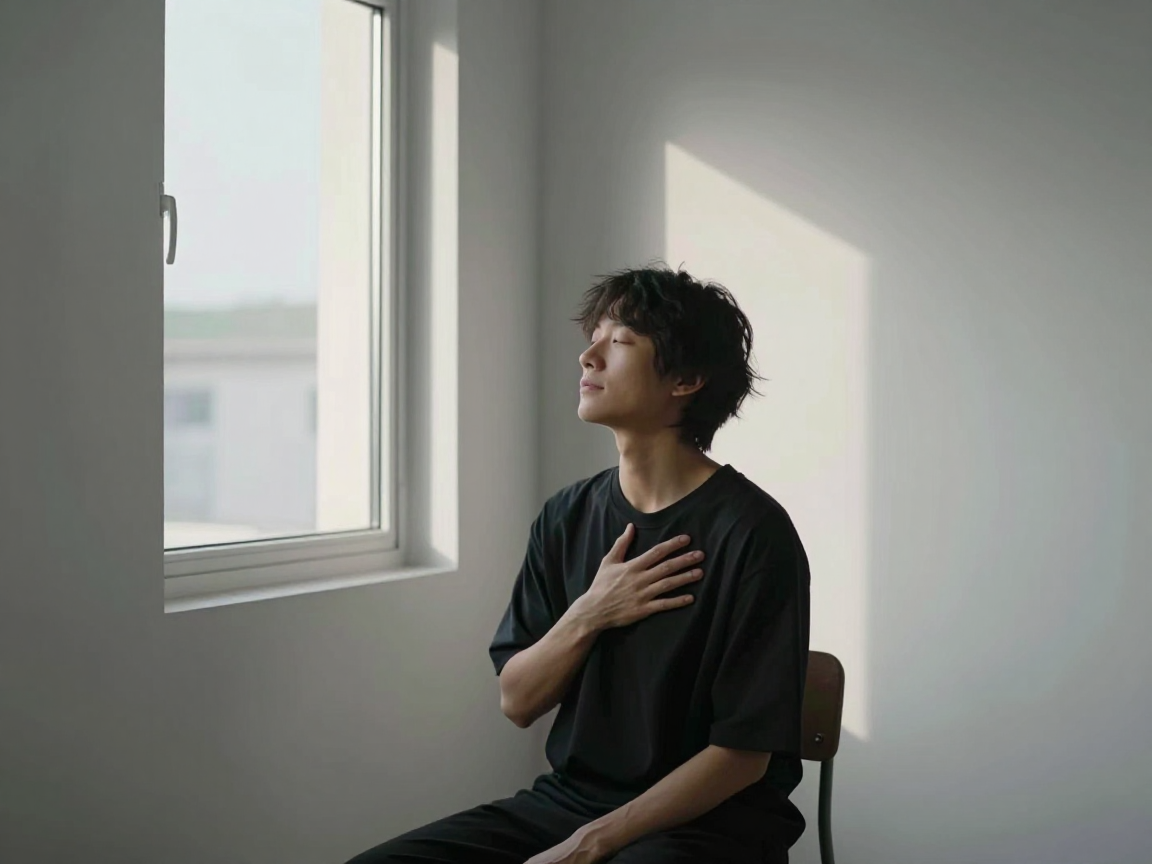
This is one of the most foundational intuition exercises for learning your body's unique signals. Sit in a quiet place and close your eyes. Think of something you absolutely love - a person, a place, or an activity. Notice where you feel a sensation in your body. Does your chest feel open? Do your shoulders relax? This is your "green light" . Next, think of something you find deeply unpleasant or a situation that felt wrong. Notice the physical shift. Is there a knot in your stomach? A tightness in your throat? This is your "red light" . Recognizing these physical markers is the first step in decoding intuitive hits in real time.
2. The Blind Journaling Technique
Grab a pen and paper. Ask a specific question that has been weighing on your mind, such as "What is the next step for my career?" or "What does my body need right now?" . Instead of thinking about the answer, start writing immediately. Do not worry about grammar or logic. The goal is to bypass the analytical filter and let the subconscious speak. Often, the first three or four sentences will be what you think you should say, but as you continue, the tone often shifts into a more authentic, intuitive space.
3. The Coin Flip Reaction Test
This is not about letting fate decide; it is about using fate to reveal your preference. When faced with a binary choice, assign one option to heads and the other to tails. Flip the coin. While the coin is in the air, or the moment it lands, pay attention to your immediate emotional reaction. If it lands on heads and you feel a slight pang of disappointment, you have your answer. Your intuition was already leaning toward tails. The coin is merely a tool to bypass your mental pro - and - con list.
4. Low - Stakes Social Prediction
Try this during your daily commute or while sitting in a coffee shop. Before checking your phone to see who is calling or texting, pause for a second and see if a name or a face pops into your mind. When walking into a meeting, try to guess the general "vibe" or mood of the room before you open the door. These small intuition exercises help you tune into subtle environmental cues without the pressure of needing to be right.
5. The Elevator Visualization
When you feel overwhelmed by too many options, visualize yourself in an elevator. Each floor represents a different path or decision. Imagine the doors opening at floor A. Walk out in your mind and see how the air feels, how the light looks, and how your body reacts to being in that reality. Then, go back to the elevator and try floor B. Usually, one "floor" will feel noticeably more aligned or "brighter" than the others, even if you cannot logically explain why.
6. Sensory Deprivation Moments
Our intuition is often drowned out by visual and auditory overstimulation. Set a timer for five minutes. Sit in total darkness or use an eye mask. Use earplugs if necessary. When you remove the primary external inputs, your internal landscape becomes more vivid. Use this time to simply observe what thoughts or images float to the surface without judgment.
7. The Parking Spot Experiment
This is a classic among intuition exercises for testing your "inner radar" . As you drive toward a crowded destination, visualize a parking spot opening up for you. Instead of scanning with your eyes first, try to feel which row or direction you are being "pulled" toward. This is a low - pressure way to practice following a physical impulse or a mental nudge.
8. Flash Decision Making
Give yourself a three - second limit for small daily choices. What should you have for lunch? Which shirt should you wear? Which route should you take home? By forcing a rapid - fire decision, you don't give the analytical mind enough time to start its habitual second - guessing. This builds the habit of acting on your first instinct.
9. The Dream Review
Before falling asleep, ask your intuition to provide clarity on a specific issue. Keep a notebook by your bed. Upon waking, do not look at your phone or start your day. Immediately write down any fragments of dreams, feelings, or words that come to mind. The barrier between the conscious and subconscious is thinnest right after waking, making this a prime time for intuitive insights.
10. Psychometry with Personal Objects
Ask a friend to give you a small object of theirs that you aren't familiar with, like a ring or a key. Hold it in your hand, close your eyes, and notice any impressions, colors, or emotions that arise. Do not try to guess facts; just report the sensations. This exercise helps you learn to pick up on energetic signatures that exist beyond the five senses.
The Difference Between Intuition and Anxiety
A common hurdle when performing intuition exercises is confusing the voice of intuition with the voice of anxiety. Because both can involve a physical sensation in the gut, it is easy to mistake fear for a warning. However, there are distinct differences in how they feel.
| Feature | Intuition | Anxiety | | :--- | :--- | :--- | | Tone | Neutral, calm, matter - of - fact | Frantic, loud, repetitive | | Focus | Focused on the present moment | Focused on future "what - ifs" | | Sensation | A "knowing" or a quiet pull | A racing heart or a sense of dread | | Persistence | Often a single, clear flash | A circular, obsessive thought loop | | Outcome | Leads to a sense of relief or peace | Leads to further confusion and stress |
If the "message" you are receiving feels like it is scolding you or making you feel small, it is likely your inner critic or anxiety. Intuition, even when delivering a difficult truth, feels like a grounded reality. It says "This isn't the right path for you" rather than "You're going to fail if you do this" .
A Framework for Integrating Intuition into Daily Life
Once you have practiced these intuition exercises, you can begin to integrate them into your professional and personal decision - making. Use this four - step framework whenever you are at a crossroads:
- State the Dilemma Clearly: Write down the choice you are facing in one simple sentence.
- The Logic Phase: List the rational pros and cons. Acknowledge them, then set the paper aside.
- The Intuitive Phase: Use one of the intuition exercises above (like the Elevator Visualization or the Body Scan). Note the physical response your body has to each option.
- The Alignment Check: Compare the logical data with the intuitive feeling. If they align, proceed with confidence. If they conflict, give yourself twenty - four hours of "not knowing" . Often, more information will surface in that window that resolves the conflict.
Trusting the Process
Reconnecting with your intuition is not about becoming psychic or abandoning logic. It is about becoming a more integrated human being. When you combine the power of your analytical mind with the deep wisdom of your intuitive self, you make choices that are not just smart on paper, but right for your life.
As you continue with these intuition exercises, you may find that you feel more present and less reactive. You might notice that you start to "know" things before they are said, or that you find yourself in the right place at the right time more often. These are not coincidences; they are the results of a finely tuned internal compass. Be patient with yourself. The voice of your intuition has been there all along - it is simply waiting for you to get quiet enough to listen.