Beyond the Outburst: A Compassionate Guide on How to Regulate Emotions When Life Feels Heavy
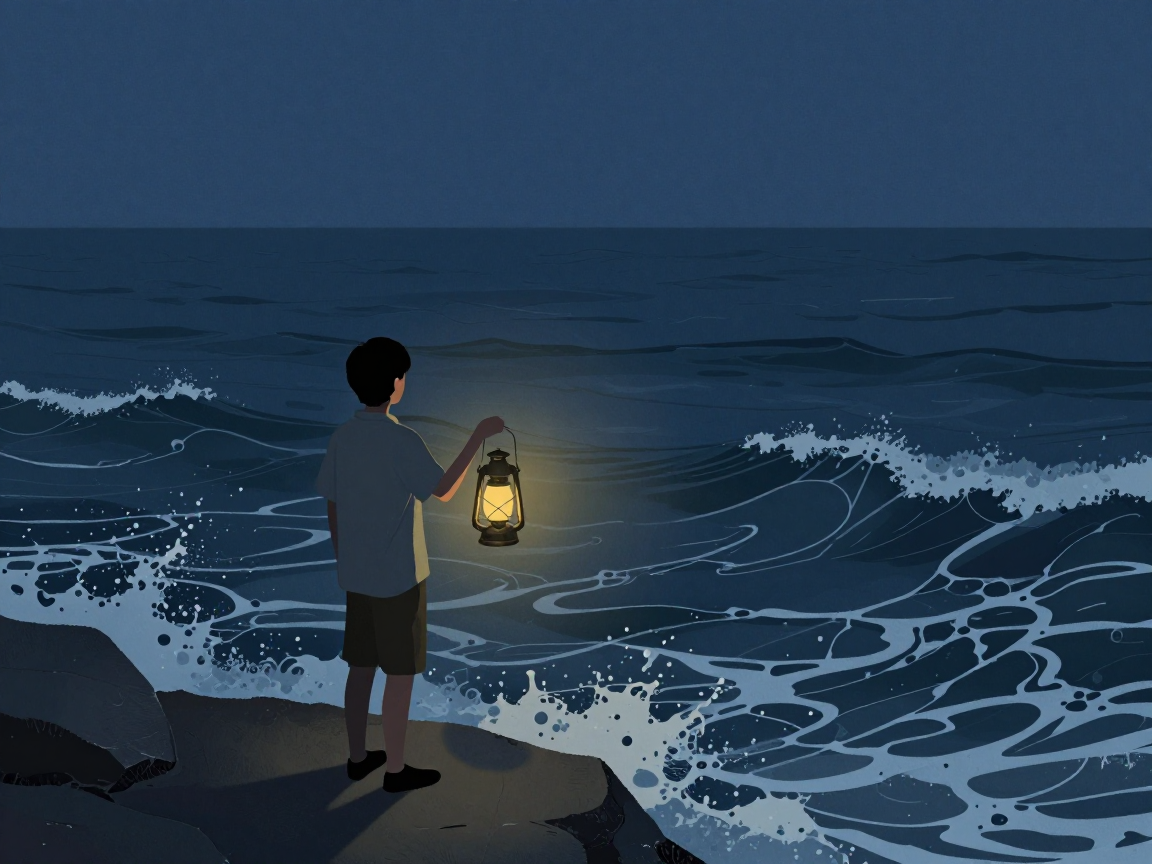
We have all been there - that sudden, heat-of-the-moment surge where frustration turns into a sharp word we immediately regret, or when a wave of anxiety becomes so thick it feels impossible to breathe. In these moments, it feels like our feelings are in the driver seat and we are just along for the terrifying ride. This experience is a universal part of being human, yet many of us were never taught the specific, practical skill of how to regulate emotions. We were told to "calm down" or "stop crying" , but rarely were we given the roadmap to actually navigate the internal storm.
Emotional regulation is not about suppression or pretending everything is fine. It is not about becoming a robot who never feels anger or sadness. Instead, learning how to regulate emotions is about expanding your capacity to experience those feelings without being consumed by them. It is the ability to notice a rising tide of emotion and choose a response that aligns with your values, rather than reacting purely out of survival instinct. When we master this, we reclaim our agency and find a sense of inner stability that holds firm even when the external world is chaotic.
The Window of Tolerance: Finding Your Middle Ground
To understand how to regulate emotions, we first need to understand the concept of the "Window of Tolerance" . Developed by Dr. Dan Siegel, this framework describes the optimal zone of nervous system arousal where we can function, learn, and relate to others effectively. When you are within your window, you might feel stressed or sad, but you can still think clearly and process what is happening.
When we are pushed outside of this window, we fall into one of two states:
- Hyper-arousal: This is the "fight or flight" state. You might feel panicky, angry, overwhelmed, or hyper-vigilant. Your heart rate increases, your breathing becomes shallow, and your thoughts race. In this state, the goal of learning how to regulate emotions is to lower the energy in your system.
- Hypo-arousal: This is the "freeze" or "shutdown" state. You might feel numb, empty, exhausted, or disconnected from your body. You might describe it as "spacing out" or feeling paralyzed. In this state, regulation involves gently increasing the energy in your system to bring you back to life.
Most of the struggle with emotional regulation happens because we try to use logic when we are already outside of our window. Once the "downstairs brain" (the amygdala) has taken over, the "upstairs brain" (the prefrontal cortex) is essentially offline. You cannot think your way out of a physiological state; you must use your body to signal safety to your brain.
The Biological Reality: Why It Feels So Hard
If you find yourself wondering why it is so difficult to stay calm, remember that your brain is designed for survival, not necessarily for modern social harmony. When you perceive a threat - whether it is a looming deadline or a critical comment from a partner - your amygdala triggers a stress response. This is often called an "amygdala hijack" .
During a hijack, the brain shunts blood flow away from the prefrontal cortex - the part of the brain responsible for impulse control, complex thinking, and social behavior - and toward the survival centers. This is why you might say something hurtful and later think, "I don't even know why I said that" . You were literally operating without the part of your brain that considers consequences. Learning how to regulate emotions is essentially the practice of keeping that prefrontal cortex online or bringing it back as quickly as possible.
A 5-Pillar Framework for Emotional Balance
Building emotional resilience does not happen overnight. It requires a systematic approach that addresses both the immediate sensation and the underlying habit. Use this five-pillar framework as your guide for how to regulate emotions in daily life.
1. Interoceptive Awareness
Regulation begins with noticing. You cannot change what you do not perceive. Interoception is the sense of the internal state of the body. To regulate, you must become a student of your own physical cues. Does your chest tighten? Does your throat feel dry? Do your palms sweat? When you catch these physical markers early, you can intervene before the emotion reaches a breaking point.
2. Affect Labeling
There is a powerful psychological principle known as "name it to tame it" . Research shows that simply putting a name to an emotion reduces the activity in the amygdala. When you say, "I am feeling deeply frustrated right now" , you create a small amount of distance between yourself and the feeling. You are no longer the frustration; you are the observer of the frustration.
3. Physiological Soothing
Since emotions are physical experiences, we must use physical tools to address them. This is the fastest way to return to your window of tolerance. Techniques like box breathing, splashing cold water on your face (which triggers the mammalian dive reflex), or rhythmic movement tell the nervous system that the danger has passed.
4. Cognitive Reframing
Once the body is relatively calm, you can look at the story you are telling yourself. We often react not to what happened, but to our interpretation of what happened. If a friend does not text back, you might think, "They are ignoring me because I am annoying" . Reframing involves asking, "What else could be true?" Perhaps they are busy, or their phone is dead. This shifts the emotional weight of the event.
5. Values-Aligned Action
The final step in how to regulate emotions is choosing how to act. Instead of reacting out of the impulse of the emotion, you ask yourself, "What kind of person do I want to be in this moment?" This allows you to respond with integrity rather than regret.
Practical Strategies for the Heat of the Moment
When you are in the middle of a trigger, you need tools that work fast. Here is a checklist of high-impact strategies to help you stay grounded:
- The 5-4-3-2-1 Grounding Technique: Acknowledge 5 things you see, 4 things you can touch, 3 things you hear, 2 things you can smell, and 1 thing you can taste. This pulls your brain out of its internal narrative and back into the present environment.
- The STOP Technique: Stop what you are doing. Take a breath. Observe what is happening inside and outside of you. Proceed with awareness.
- Temperature Shock: If you are in a state of high hyper-arousal, hold an ice cube in your hand or splash very cold water on your face. The intense sensory input can "reset" the nervous system's alarm bells.
- Vagus Nerve Stimulation: Gently hum a low tone or practice "lion's breath" (exhaling forcefully with your tongue out). This stimulates the vagus nerve, which is the primary component of the parasympathetic nervous system responsible for the "rest and digest" response.
- The 90-Second Rule: Neuroanatomist Jill Bolte Taylor notes that the chemical process of an emotion usually lasts about 90 seconds. If you can simply observe the sensation for 90 seconds without feeding it more thoughts, the peak of the wave will naturally pass.
Moving Beyond Suppression: The Trap of "Feeling Good"
A common mistake when learning how to regulate emotions is the belief that the goal is to always feel "good" . This is a form of emotional avoidance. Suppression - the act of pushing feelings down or ignoring them - actually makes the emotions more intense over time. They tend to leak out sideways in the form of irritability, physical pain, or sudden outbursts.
True regulation is about being able to sit with discomfort. It is the realization that "I am feeling a lot of pain right now, and I am safe enough to feel it" . When we stop fighting our emotions, they lose their power over us. We start to see them as data points - signals from our system about our needs and boundaries - rather than as enemies to be defeated.
Long-Term Resilience and Lifestyle Factors
How to regulate emotions is as much about your baseline as it is about your crisis response. If you are chronically sleep-deprived, poorly nourished, or socially isolated, your window of tolerance will be much smaller. Your nervous system will be on high alert by default.
Building long-term resilience includes:
- Consistent Sleep: Sleep is when the brain processes emotional information. Without it, the amygdala is significantly more reactive.
- Mindfulness Practice: Regular meditation or mindfulness training strengthens the neural pathways between the prefrontal cortex and the amygdala, making it easier to stay grounded during stress.
- Self-Compassion: Research by Dr. Kristin Neff shows that being kind to yourself during a struggle actually helps you regulate faster. Shame, on the other hand, keeps the threat response active.
- Connection: We are social creatures. Having at least one safe person you can talk to helps co-regulate your nervous system. Sometimes, just being in the presence of a calm person can help lower your own heart rate.
Summary: The Practice of Coming Home to Yourself
Learning how to regulate emotions is one of the most profound acts of self-care you can undertake. It is a gift not just to yourself, but to everyone you interact with. It changes the way you parent, the way you work, and the way you show up in your relationships.
Remember that this is a practice, not a destination. There will be days when you handle a crisis with grace, and there will be days when you lose your temper over a dropped spoon. That is okay. The goal is not perfection; it is the willingness to notice when you have drifted off course and the tools to find your way back. Every time you pause, breathe, and name what you are feeling, you are rewriting the script of your life. You are moving from a state of survival into a state of thriving, one breath at a time.