Beyond the Little White Book: How to Read Tarot Cards with Confidence and Intuition
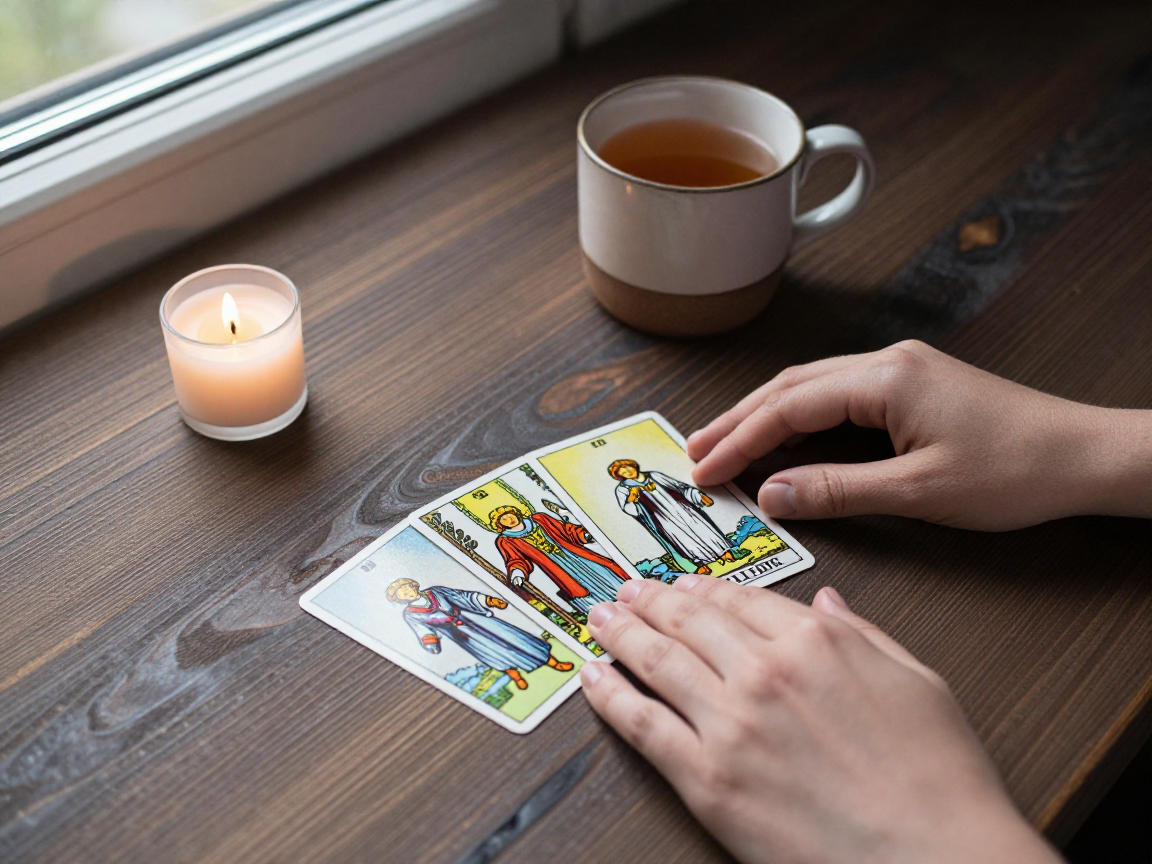
Tarot has long been shrouded in a sense of mystery, often relegated to the dark corners of fortune - telling parlors or used as a dramatic plot device in films. However, for the modern seeker, learning how to read tarot cards is less about predicting a fixed future and more about accessing a mirror for the present moment. It is a system of 78 archetypal images that serve as a visual language for the subconscious mind. When you lay the cards out, you are not just looking at ink and paper; you are looking at a map of the human experience, spanning from the heights of spiritual enlightenment to the mundane struggles of daily life.
Many beginners feel intimidated by the sheer volume of information involved. With 78 cards, each possessing its own set of traditional meanings, reversals, and astrological correspondences, it is easy to feel that you must be a scholar or a psychic to make sense of a spread. But the secret to mastery is not found in the 'Little White Book' that comes in the box. True proficiency comes from understanding the underlying structure of the deck and learning to trust what your eyes and intuition are telling you. This guide will walk you through the essential foundations and a practical framework for interpreting the cards with clarity and soul.
Understanding the Architecture of the Deck
Before you can dive into a deep reading, you must understand the skeletal structure of the tarot. Every standard deck is divided into two primary sections: the Major Arcana and the Minor Arcana. Knowing the difference between these two is the first major step in learning how to read tarot cards effectively.
The Major Arcana consists of 22 cards, starting with The Fool and ending with The World. These cards represent 'big' life themes, karmic lessons, and major archetypal energies. When a Major Arcana card appearing in a reading, it suggests that the situation is part of a larger life cycle or a significant spiritual lesson. These are the milestones of our journey - the moments of profound change, systemic shifts, and inevitable growth.
The Minor Arcana makes up the remaining 56 cards. These are the 'everyday' cards, dealing with the ebbs and flows of daily life, temporary emotions, and fleeting thoughts. The Minor Arcana is further divided into four suits, each corresponding to an element and a specific area of life:
- Wands (Fire): This suit represents creativity, passion, ambition, and the spark of action. It is about the 'why' behind what we do.
- Cups (Water): This suit governs emotions, relationships, intuition, and the subconscious. It reflects our internal world and how we connect with others.
- Swords (Air): Representing the mind, communication, logic, and conflict, Swords deal with how we process information and the challenges of the intellect.
- Pentacles (Earth): This suit focuses on the physical world, including finances, career, health, and home. It is the realm of manifestation and stability.
Moving Beyond Memorization to Intuition
If you try to memorize 78 individual definitions, your readings will likely feel stiff and disconnected. To truly understand how to read tarot cards, you need to engage with the imagery. This is often referred to as 'intuitive reading'. Instead of scanning your brain for a textbook definition, look at the card as if it were a scene in a movie or a dream.
Ask yourself simple questions as you look at the card. What is the person in the image doing? What is the weather like? Does the color palette feel warm and inviting or cold and harsh? If the card features the Three of Swords, you see three swords piercing a heart amidst rain clouds. You do not need a book to tell you that this image conveys 'heartbreak' or 'sorrow'. By trusting your immediate visual reaction, you bypass the analytical mind and tap into the story the card is trying to tell.
Another helpful tool is basic numerology. Each number from Ace to ten has a specific vibration that remains consistent across all four suits. For example, Aces always represent new beginnings or seeds of potential. Fives usually signal tension, instability, or a turning point. Nines often represent a culmination or a plateau. When you combine the meaning of the suit with the meaning of the number, you can deduce the meaning of almost any Minor Arcana card without looking it up. The Three (growth/expression) of Cups (emotion) naturally suggests a celebration or a social gathering among friends.
A Step - by - Step Framework for Your First Reading
To keep your practice grounded, it helps to follow a consistent process. This framework ensures that you are approaching the cards with a clear mind and a focused intention, which is the foundation of how to read tarot cards successfully.
- Center Yourself and Clear the Energy: Before touching your deck, take a few deep breaths. You might choose to light a candle or simply sit in silence for a minute. The goal is to separate your mundane worries from the sacred space of the reading.
- Formulate a Clear Question: Tarot responds best to open - ended questions. Avoid 'Yes or No' queries, which can be limiting. Instead of asking 'Will I get the job?', ask 'What do I need to know about this career opportunity?' or 'How can I best prepare for my upcoming interview?'.
- Shuffle with Intention: There is no 'right' way to shuffle. You can overhand shuffle, riffle shuffle, or simply spread the cards on the floor and mix them around. The key is to keep your question in your mind as you do it. Stop when it feels right.
- The Pull and the Layout: Lay the cards out in your chosen spread. For beginners, a simple three - card spread is ideal. Place them face down and then flip them over one by one.
- The First Impression: Before you look for deeper meanings, notice your gut reaction to the cards as a whole. Do they look dark and heavy? Are they full of movement? This initial 'vibe' is often the most accurate part of the reading.
- Synthesis and Interpretation: Look for connections between the cards. Do two cards have similar symbols? Are the figures in the cards looking at each other or away from each other? This synthesis is where the real magic happens, as you weave the individual cards into a cohesive narrative.
The Power of the Three - Card Spread
You do not need complex layouts like the Celtic Cross to get a profound answer. In fact, many professional readers use the three - card spread almost exclusively because of its versatility. Here are a few ways to label your cards:
- Past / Present / Future: A classic way to see the trajectory of a situation.
- The Situation / The Obstacle / The Advice: Perfect for problem - solving.
- Mind / Body / Spirit: Great for a daily check - in on your personal well - being.
- You / The Other Person / The Relationship: Ideal for gaining perspective on a connection.
- What to Release / What to Embrace / Where to Focus: A powerful spread for personal growth.
Common Pitfalls for New Readers
As you learn how to read tarot cards, you will likely encounter some common hurdles. One of the biggest mistakes is 'reading for yourself' when you are in a highly emotional state. If you are desperate for a specific answer, you will likely project that desire onto the cards, leading to a biased and confusing reading. If you are too close to the situation, it is better to wait until you are calm or ask a friend to read for you.
Another pitfall is over - complicating the interpretation. If a card's meaning doesn't immediately click, don't keep pulling more cards to 'clarify'. This often leads to a 'word salad' of symbols that leaves you more confused than when you started. Stick to the cards you pulled and sit with them. Sometimes the meaning of a reading only becomes clear a few days later when an event triggers a realization.
Lastly, avoid the fear of 'bad' cards. There are no truly bad cards in tarot. The Tower might look scary with its imagery of a falling building, but it represents the necessary clearing of old structures to make way for the new. Death rarely means physical passing; it symbolizes the end of a cycle. Every card offers a gift, even if it comes in the form of a difficult truth.
Making Tarot a Daily Practice
The best way to master how to read tarot cards is through consistency. Try pulling one card every morning. Ask the deck, 'What energy should I be aware of today?'. Throughout the day, keep that card in the back of your mind. If you pulled the Knight of Swords, notice if you feel more impulsive or if you encounter someone who is very direct in their communication. At the end of the day, reflect on how the card's energy manifested in your life. This daily ritual builds a personal 'vocabulary' with your deck that no book can provide. Over time, the cards will start to feel like old friends, offering a quiet space for reflection and a profound tool for self - discovery.