The Biology of Safety: How to Calm Your Nervous System and Finally Exit Survival Mode
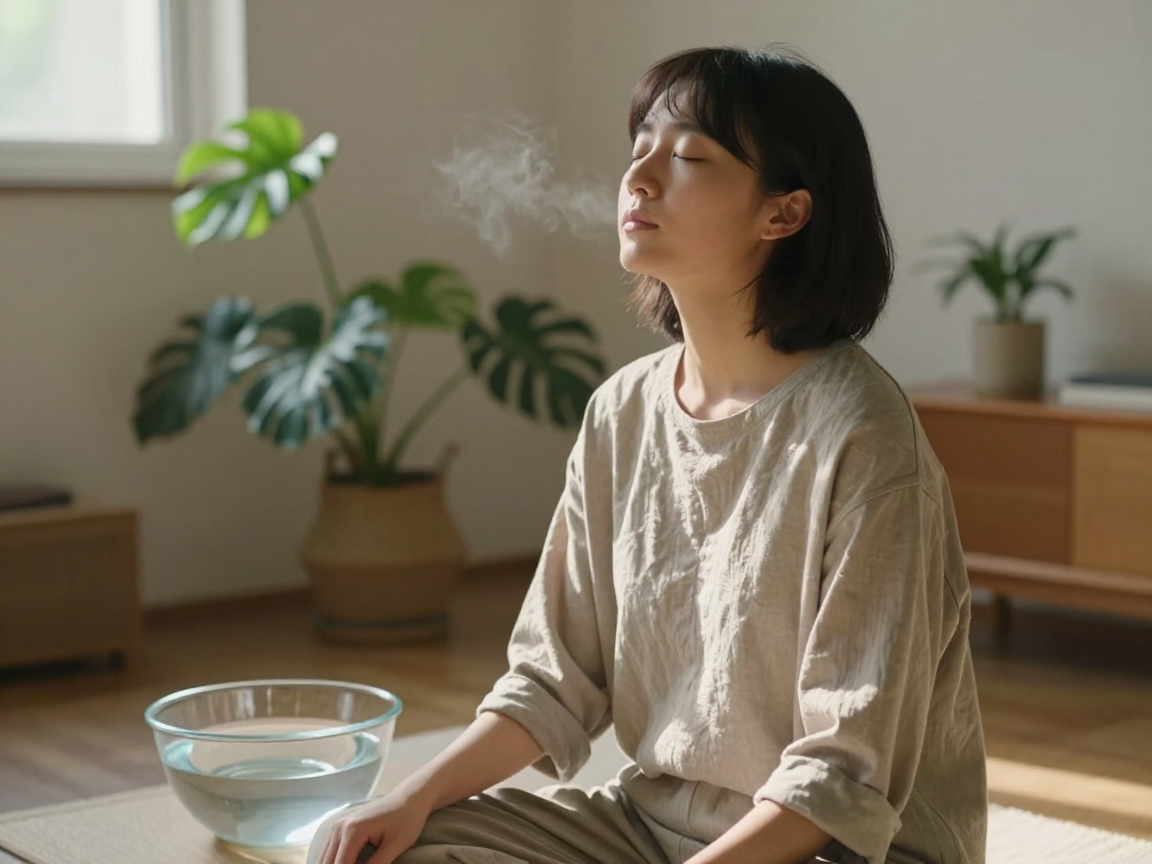
In our modern world, many of us live in a state of perpetual readiness, waiting for the next metaphorical shoe to drop. You might recognize the feeling: a tight chest, a racing mind, or a persistent sense of irritability that seems to hum in the background of your daily life. This isn't just a mental state; it is a physiological one. When your body perceives a constant stream of threats - whether those are work deadlines, financial worries, or global events - it remains locked in a high - alert status. Learning how to calm nervous system responses is not just about relaxation; it is about retraining your body to recognize that it is safe.
Understanding how to calm nervous system pathways requires us to look beneath the surface of our thoughts and into the mechanics of the Autonomic Nervous System (ANS). The ANS acts like the body's internal autopilot, managing everything from heart rate to digestion without our conscious input. When we are stuck in a cycle of chronic stress, this system becomes dysregulated, leaving us feeling either "wired and tired" or completely shut down. To shift back into a state of balance, we must move beyond willpower and utilize tools that communicate directly with the body.
The Architecture of Stress and Safety
To effectively implement strategies for how to calm nervous system reactivity, you first need to understand the two primary branches of your autonomic nervous system. Think of them as the accelerator and the brake. The Sympathetic Nervous System (SNS) is the accelerator. It is responsible for the "fight or flight" response, flooding your body with cortisol and adrenaline to prepare you for action. While this is life - saving in the presence of a predator, it is exhausting when activated by an overflowing email inbox.
On the other side, we have the Parasympathetic Nervous System (PNS), often referred to as the "rest and digest" or "social engagement" system. This is the brake that slows your heart rate, facilitates healing, and allows for deep connection with others. When people ask how to calm nervous system tension, they are essentially asking how to engage the PNS. The goal is not to eliminate the stress response entirely - which is impossible and undesirable - but to increase your "vagal tone" and resilience so you can return to a state of calm more quickly after a challenge.
Why Your Body Stays Stuck in Survival Mode
Many people struggle with chronic anxiety because their nervous system has lost its flexibility. Instead of moving fluidly between stress and recovery, the system gets stuck. This is often the result of "allostatic load" - the cumulative wear and tear on the body due to chronic stress. When the load becomes too heavy, your brain begins to interpret neutral signals as threats. You might find yourself overreacting to minor inconveniences or feeling a sense of dread even when things are going well.
To break this cycle, you must address the body's need for safety. You cannot simply tell yourself to "calm down". In fact, that often makes things worse because it creates a conflict between your rational mind and your physiological reality. Instead, effective methods for how to calm nervous system arousal involve "bottom - up" processing. This means using physical sensations and actions to send signals of safety to the brain, rather than trying to use the brain to control the body.
7 Practical Somatic Tools for Immediate Regulation
If you are looking for immediate ways on how to calm nervous system distress, somatic (body - based) tools are often the most effective. These techniques bypass the thinking mind and target the vagus nerve, which is the primary highway of the parasympathetic system.
- The Physiological Sigh: This is a specific breathing pattern discovered by neuroscientists. Take a deep breath in through your nose, followed by a second, shorter "sip" of air at the very top to fully inflate the lungs. Then, exhale slowly through your mouth until your lungs are empty. Repeating this two or three times can rapidly lower your heart rate.
- Cold Water Immersion: Splashing ice - cold water on your face or holding an ice pack to your chest for 30 seconds triggers the "mammalian dive reflex". This reflex immediately slows the heart and shifts the body out of a sympathetic state.
- Vocal Toning and Humming: The vagus nerve passes through the vocal cords and the inner ear. Humming, chanting, or even singing loudly creates vibrations that stimulate the nerve and signal the body to relax. This is why many ancient meditative traditions use the sound "Om".
- The 5-4-3-2-1 Grounding Technique: When the mind is racing, grounding brings you back to the present moment. Acknowledge 5 things you see, 4 things you can touch, 3 things you hear, 2 things you can smell, and 1 thing you can taste.
- Somatic Shaking: Animals in the wild often shake their bodies after a stressful event to "discharge" the excess energy. You can do the same. Stand up and gently shake your arms, legs, and torso for two minutes. It may feel silly, but it helps release pent - up tension held in the muscles.
- Deep Pressure Therapy: Using a weighted blanket or simply hugging yourself tightly provides proprioceptive input to the brain. This input is deeply regulating and mimics the feeling of being held, which is a fundamental signal of safety.
- Coherent Breathing: Inhale for a count of five and exhale for a count of five. This creates a rhythm of roughly six breaths per minute, which has been shown to synchronize the heart, lungs, and brain into a state of "coherence".
The Role of Environment and Sound
When considering how to calm nervous system function long - term, we must look at our sensory environment. Our nervous systems are constantly scanning for cues of danger (neuroception). Harsh lighting, constant notifications, and chaotic noise keep the system in a state of low - grade alarm. Conversely, certain frequencies and sounds can act as a soothing balm.
Low - frequency sounds and bilateral stimulation - sounds that move from the left ear to the right ear - can help process emotional stress and settle the amygdala. This is why nature sounds, such as rolling waves or rustling leaves, are so effective; they follow non - threatening, predictable patterns that the brain associates with a safe natural environment. Integrating sound healing or frequency therapy into your daily routine is a powerful way to provide your nervous system with the "safety signals" it craves.
A Daily Protocol for Nervous System Resilience
Regulation is not a one - time event; it is a practice. To truly master how to calm nervous system responses, you should build a daily routine that supports your physiology. Use the following framework as a checklist to keep your system balanced.
- Morning Sunlight: View natural light within 30 minutes of waking to regulate your circadian rhythm and cortisol spikes.
- Digital Boundaries: Avoid checking your phone for the first hour of the day to prevent an immediate hit of "stress hormones".
- Micro - Breaks: Every 90 minutes, step away from your screen. Perform one minute of box breathing or a quick stretch to prevent stress from accumulating.
- Movement as Medicine: Engage in non - competitive movement. Walking, yoga, or Tai Chi are better for a dysregulated nervous system than high - intensity interval training (HIIT), which can sometimes mimic a stress response.
- Evening Wind - Down: Dim the lights and engage in "low - dopamine" activities like reading a physical book or journaling to prepare the body for restorative sleep.
Moving from Survival to Vitality
Learning how to calm nervous system pathways is a journey of returning to yourself. It requires patience and a shift in perspective - seeing your anxiety or exhaustion not as a flaw, but as a protective mechanism that has simply overstayed its welcome. By using somatic tools and creating an environment of safety, you teach your body that the threat has passed.
As your nervous system becomes more regulated, you will likely notice shifts in other areas of your life. Your digestion may improve, your sleep may become deeper, and your ability to handle life's challenges will grow. You are no longer just surviving; you are building the physiological foundation for true vitality. Remember that your body wants to be in balance. By providing it with the right signals, you allow it to do what it was designed to do: return to a state of peace and connection.