Beyond the Garden Path: How to Master Herbal Magic Basics for a More Intentional Life
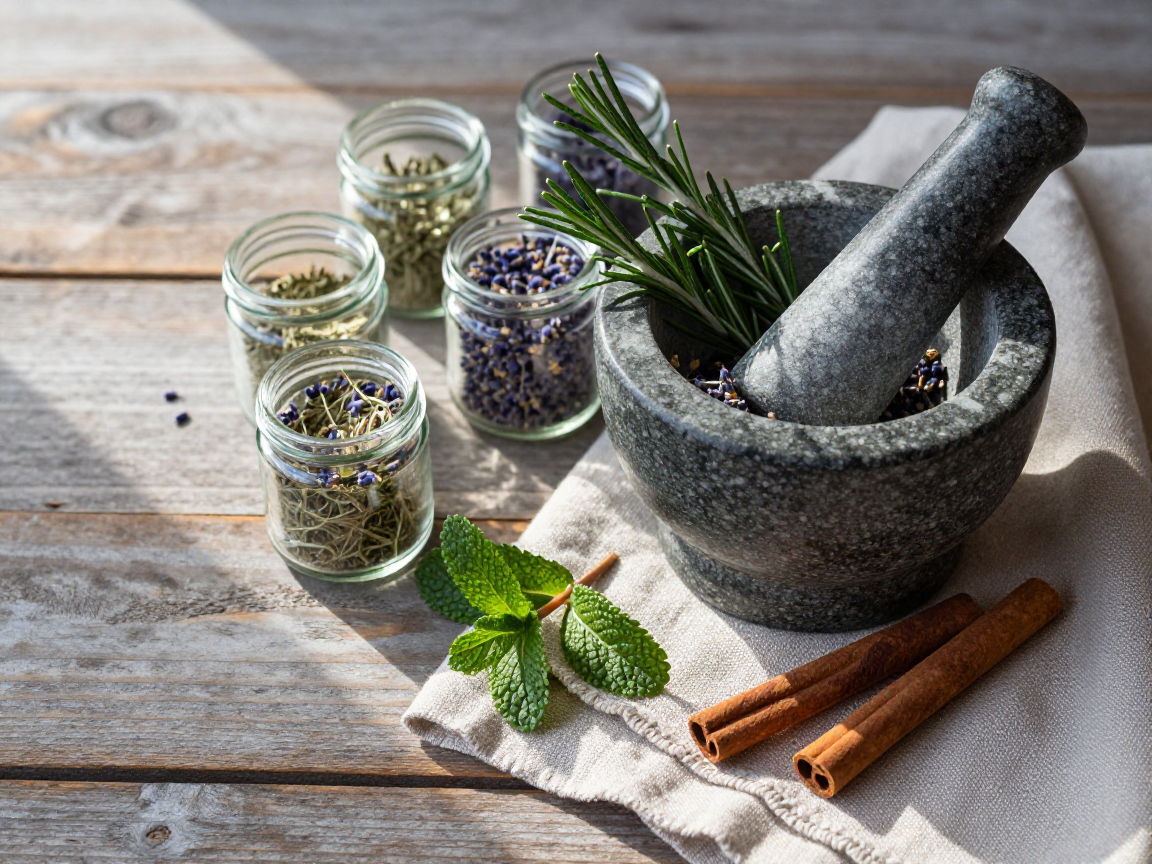
Walking through a garden is often a sensory experience - the smell of crushed mint, the soft texture of sage leaves, and the vibrant hue of a blooming rose. Yet, for those who look a little deeper, these plants offer more than just aesthetic beauty or culinary enhancement. They represent a bridge between the physical world and the realm of focused intent. When we talk about herbal magic basics, we are not discussing the theatrical potions of fiction, but rather a grounded, ancestral practice of aligning our own energy with the natural frequencies of the earth.
At its core, herbalism is the study of a plant's physical properties, while herbal magic is the study of its energetic signature. Every root, stem, and petal carries a specific vibration that has been documented through centuries of folklore and observation. By understanding these signatures, you can begin to work with plants as partners rather than just resources. This guide serves as an entry point into the world of herbal magic basics, helping you move from a place of curiosity to one of confident, everyday practice.
The Philosophy of Plant Partnership
Before you begin drying leaves or mixing oils, it is essential to understand the mindset required for this work. Herbal magic basics start with the concept of animism - the belief that all things, including plants, possess a unique spirit or life force. When you approach a plant with the intent to use it in a ritual or for a specific goal, you are entering into a symbiotic relationship. You are asking the plant for its assistance, and in return, you offer your respect and stewardship.
This shift in perspective changes how you interact with your environment. Instead of seeing a weed in the sidewalk, you see dandelion - a resilient survivor that embodies the energy of the sun and persistence. Instead of seeing a spice jar in the back of the pantry, you see cinnamon - a fiery bark that accelerates movement and draws in abundance. This awareness is the foundation of all successful practice. Without the internal alignment of your own will and a genuine respect for the plant's nature, the physical actions remain just that: physical. The magic happens at the intersection of your focused mind and the plant's inherent power.
Essential Flora: The Starter Toolkit for Herbal Magic Basics
One of the most common mistakes beginners make is thinking they need exotic, hard - to - find ingredients from distant lands. In reality, some of the most potent tools are likely already in your kitchen or growing in nearby fields. Mastering herbal magic basics involves getting to know a few versatile plants deeply rather than knowing a hundred plants superficially.
- Rosemary for Protection and Clarity: Often called the "herb of remembrance", rosemary is a powerhouse in herbal magic basics. It is used to clear mental fog, protect the home from negative energy, and sharpen the intellect. Its woody, resilient nature makes it perfect for long - term goals.
- Lavender for Peace and Restoration: Beyond its popular use in aromatherapy, lavender is a primary tool for calming turbulent emotions and inviting prophetic dreams. It acts as a bridge to the subconscious mind, making it ideal for meditation and sleep rituals.
- Basil for Abundance and Harmony: In many traditions, basil is associated with wealth and domestic peace. Keeping a pot of basil near the door is a classic technique for inviting positive financial energy and keeping the household atmosphere light.
- Mugwort for Intuition: This common wayside plant is a staple for those looking to enhance their psychic abilities or vivid dreaming. It is often used in teas or sachets placed under the pillow to open the "third eye".
- Cinnamon for Speed and Success: Because of its heat, cinnamon is used to "heat up" a situation. It adds a boost of speed to any intention, helping manifestations come to fruition more quickly.
The Language of Correspondences
To practice herbal magic basics effectively, you must learn the language of correspondences. This is a system that links plants to planets, elements, and specific human intentions. For example, plants with thorns are often associated with the planet Mars and the element of Fire, making them suitable for protection or boundaries. Plants that grow near water or have a high moisture content are often linked to the Moon and the element of Water, making them ideal for emotional healing and intuition.
Understanding these links allows you to substitute herbs intelligently. If a recipe calls for a specific rare flower but you know its correspondence is "Venus and Water", you can look for a more common plant that shares those same traits, such as a rose or even a sprig of garden mint. This flexibility is what separates a practitioner from someone simply following a recipe. It requires a level of study and intuition that deepens your connection to the natural world.
A 5-Step Framework for Your First Herbal Ritual
If you are ready to put herbal magic basics into practice, follow this structured framework. This process ensures that your work is grounded, intentional, and respectful of the materials you are using.
- Define Your Clear Intent: Before touching any herbs, spend a few minutes in silence. What is the specific goal of this practice? Avoid vague requests like "I want to be happy". Instead, try "I am inviting the clarity needed to make a career decision". Write this down on a small piece of paper.
- Select Your Botanical Allies: Choose one to three herbs that align with your intent. For the example of clarity, you might choose Rosemary (for focus) and Peppermint (for mental stimulation). Research their correspondences to ensure they harmonize with your goal.
- Prepare the Space and Materials: Cleanse your workspace. This can be done physically by tidying up, or energetically by ringing a bell or using a spray of salt water. Gather your herbs, a bowl, and perhaps a candle. Treat these items as sacred tools for the duration of the process.
- Activate the Herbs: Take the herbs in your hands. Close your eyes and visualize your intent flowing from your mind, down your arms, and into the plant material. You might say a few words aloud, such as "Rosemary, lend me your strength and focus for the task ahead". This is the moment where you awaken the plant's energy to work with your own.
- Release and Integrate: Once the ritual is complete - whether you have made a sachet to carry with you or burned the herbs as incense - release the outcome. Do not obsess over when or how the results will manifest. Trust that the energy has been set in motion. If you used loose herbs, dispose of them by returning them to the earth or composting them, completing the cycle of give and take.
Practical Applications in Daily Life
Herbal magic basics do not require a secret room or hours of chanting. The most effective practices are often woven into the fabric of your daily routine. This makes the magic a living, breathing part of your lifestyle rather than an isolated event.
Consider the act of making a morning cup of tea. Instead of mindlessly drinking it while scrolling through your phone, treat it as a ritual. Stir your tea clockwise to "draw in" energy for the day, or counter - clockwise to "release" stress. As the steam rises, visualize it clearing your aura. This simple shift turns a mundane habit into a potent act of herbal magic.
Another accessible method is the "floor wash". By steeping protective herbs like pine or lemon peel in your cleaning water, you can energetically cleanse your home while you physically clean the floors. This dual - action approach is a hallmark of traditional folk magic, emphasizing that the physical and spiritual worlds are never truly separate.
Ethical Sourcing and Sustainability
As you delve deeper into herbal magic basics, you have a responsibility to the earth that provides your materials. The sudden popularity of certain practices has led to the over - harvesting of plants like White Sage and Palo Santo. Part of mastering the basics is learning to source your herbs ethically.
Whenever possible, grow your own herbs. Even a small windowsill garden can provide you with more than enough material for personal use. If you cannot grow them, buy from local organic farmers or reputable suppliers who prioritize sustainability. If you choose to wildcraft - the act of harvesting plants from the wild - never take the first plant you see, and never take more than ten percent of a healthy patch. Ask permission before cutting, and leave a small offering of water or a kind word in return. This ethical foundation ensures that your practice is built on a legacy of respect rather than extraction.
Closing the Circle
Mastering herbal magic basics is a journey of returning to our roots. It is a reminder that we are part of an ecosystem that is constantly communicating with us, if only we choose to listen. By combining the physical properties of plants with the power of human intent, we create a tool for transformation that is as old as humanity itself.
Start small. Pick one herb this week - perhaps the mint in your kitchen or the dandelion in your yard. Learn its history, sit with its scent, and experiment with its energy. As you build this relationship, you will find that the world feels a little more vibrant, a little more intentional, and a lot more magical. The power isn't just in the plants; it is in the connection you forge with them.