Beyond Mindfulness: How Guided Breathwork Meditation Rewires Your Stress Response for Lasting Calm
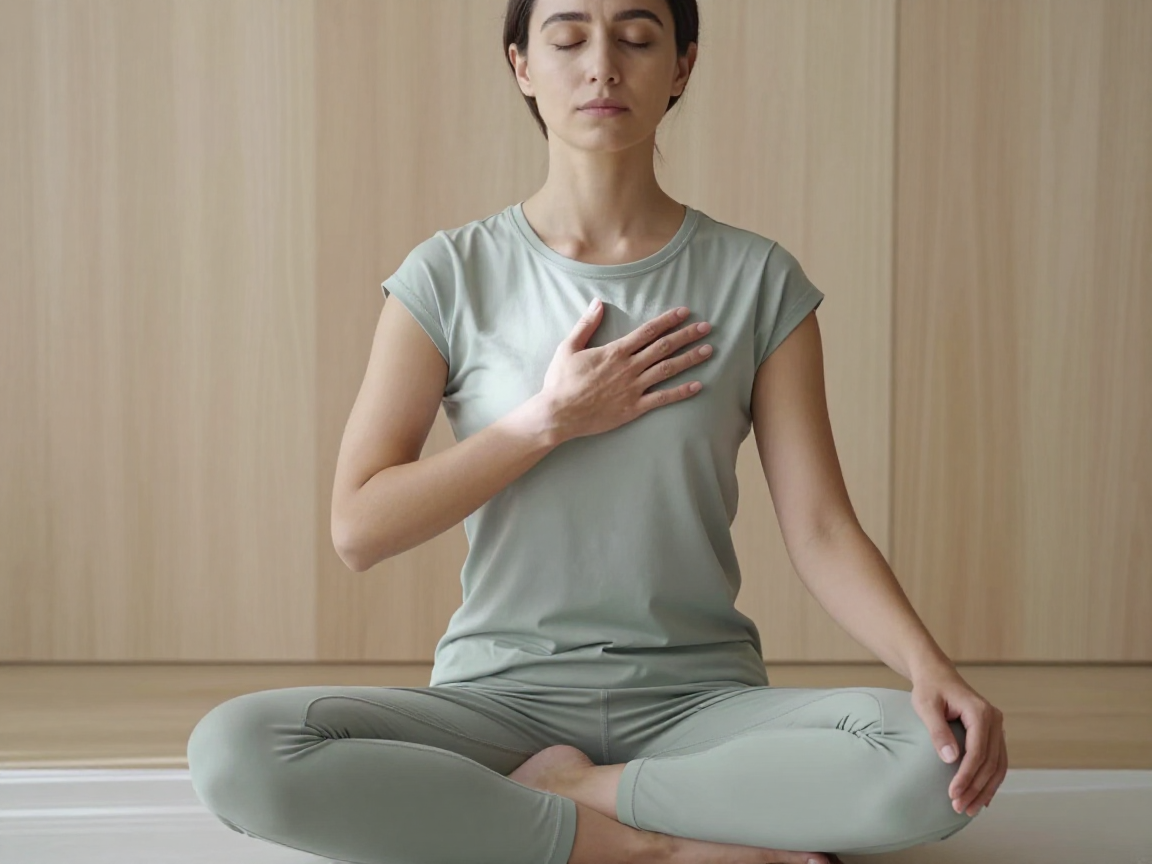
In the modern era, we are living through a quiet epidemic of shallow breathing. Most of us move through our days in a state of low-grade survival mode, our chests tight and our breaths short, signaling to our brains that we are under constant threat. This physiological state - often called the sympathetic nervous system's fight-or-flight response - keeps us locked in a cycle of anxiety, fatigue, and mental fog. We try to think our way out of stress, but the mind is a difficult tool to use when the body is convinced it is in danger.
This is where guided breathwork meditation becomes an essential intervention. Unlike traditional meditation, which often asks you to simply observe your thoughts, guided breathwork meditation is an active, somatic practice. It uses the breath as a manual override for the nervous system, allowing you to physically shift your body into a state of safety and repair. By following a structured rhythm led by an experienced guide, you can bypass the noisy chatter of the ego and access a deeper level of physiological and emotional regulation that sitting in silence alone might not reach.
The Biological Bridge: Why the Breath Controls the Mind
To understand why guided breathwork meditation is so effective, we have to look at the relationship between the respiratory system and the brain. The breath is the only function of the autonomic nervous system that we can control both consciously and unconsciously. While you cannot consciously tell your gallbladder to secrete bile or your heart to beat slower with a direct thought, you can change your heart rate by changing your breath.
When you engage in guided breathwork meditation, you are communicating directly with the Vagus nerve. This is the longest cranial nerve in the body and a primary component of the parasympathetic nervous system. Think of the Vagus nerve as a highway for information between your brain and your internal organs. When you take slow, deep, diaphragmatic breaths, you send a signal through the Vagus nerve to the brain saying, "The environment is safe" or "There is no predator here!"
In response, the brain lowers cortisol production, slows the heart rate, and shifts blood flow back to the digestive system and the prefrontal cortex - the area of the brain responsible for logical thinking and emotional control. Conversely, shallow, rapid breathing keeps the amygdala - the brain's alarm center - on high alert. By using a guided format, you ensure that you are maintaining the specific rhythms necessary to trigger this relaxation response, rather than accidentally slipping back into stressful patterns.
Guided Breathwork Meditation vs. Traditional Mindfulness
Many people struggle with traditional mindfulness because it feels too passive. Sitting in silence with one's thoughts can be overwhelming for someone with a dysregulated nervous system. If your body is buzzing with adrenaline, being told to "just watch your thoughts" can feel like being told to watch a house fire from the inside.
Guided breathwork meditation provides an anchor. The presence of a guide's voice and the requirement of a specific breathing pattern give the mind a job to do. This active engagement makes it much harder for the brain to wander into rumination or worry. It creates a "somatic loop" where the physical effort of breathing keeps the awareness grounded in the present moment.
Furthermore, many guided sessions incorporate visualization, music, and specific verbal cues that help navigate the emotional releases that often occur. When we breathe deeply, we often stir up "trapped" energy or emotions stored in the body's tissues. A guide provides the container and the safety needed to process these sensations without becoming overwhelmed by them.
A Framework for Your Practice: The Five Pillars of Conscious Breathing
If you are new to this practice, it helps to view guided breathwork meditation through a structured lens. Use this five-step framework to maximize the benefits of every session.
- Preparation and Environment - You cannot fully surrender to the breath if you are worried about being interrupted. Create a space that feels physically safe. This might mean dimming the lights, using an eye mask, or sitting in a chair that supports your spine. The goal is to eliminate sensory distractions so your internal focus can sharpen.
- The Intentional Intake - Most people breathe only into the top third of their lungs. In a guided session, you will learn to send the breath down into the belly. This is the "diaphragmatic pull" that stimulates the Vagus nerve.
- The Rhythm of the Guide - Consistency is the key to nervous system regulation. Whether you are doing Box Breathing or Circular Breathing, the guide's role is to keep your tempo steady. This external pacing prevents the "gasping" or "holding" that can happen when we get distracted.
- Somatic Awareness - As you breathe, you must stay curious about your physical sensations. You might feel tingling in your hands, a sense of heat, or even a sudden urge to cry. These are normal signs of the nervous system recalibrating. Instead of judging these feelings, treat them as "data" from your body.
- The Integration Phase - This is the most overlooked part of guided breathwork meditation. After the active breathing stops, there is always a period of stillness. This is when the body absorbs the changes. It is the transition from "doing" back to "being."
Common Techniques Used in Guided Sessions
While there are dozens of styles, most guided breathwork meditation practices utilize a few core techniques that target different physiological outcomes.
Box Breathing (The Tactical Reset)
This technique, often used by high-performance athletes and military personnel, involves inhaling for a count of four, holding for four, exhaling for four, and holding empty for four. In a guided setting, the instructor provides the count, which helps stabilize the heart rate and clear mental clutter during high-stress moments.
The 4-7-8 Method (The Natural Tranquilizer)
Developed by Dr. Andrew Weil, this technique involves inhaling for four seconds, holding for seven, and exhaling forcefully for eight. The long exhalation is the secret here; it forces the body to expel more carbon dioxide and triggers a powerful parasympathetic response. This is often used in guided sessions designed for sleep or anxiety relief.
Circular or Conscious Connected Breathing
This is a more active form of guided breathwork meditation where the pause between the inhale and exhale is eliminated. This creates a continuous loop of breath. This style is often used for emotional breakthrough and deeper somatic healing. It is highly recommended to do this only under the guidance of a professional, as it can bring up intense physical and emotional sensations.
Avoiding Common Pitfalls: Why Most People Struggle at First
Even with a guide, it is easy to fall into habits that limit the effectiveness of the practice. Awareness of these mistakes can help you progress faster.
- Forcing the Breath: Many beginners try to "muscle" their way through the session. They breathe so hard that they create tension in their neck and shoulders. The goal is an "expansive" breath, not a "strained" one.
- Over-thinking the Technique: If you spend the whole time wondering "Am I doing this right?" you aren't actually meditating. Trust the guide's voice and let the technique become secondary to the feeling.
- Skipping the Integration: Many people turn off the audio the moment the active breathing ends and rush back to their emails. This shocks the nervous system and negates much of the work. You need those five minutes of quiet at the end for the results to "stick."
- Breathing Through the Mouth Only: Unless the specific guided breathwork meditation calls for mouth breathing (as in some circular styles), try to breathe through the nose. The nose filters, warms, and humidifies the air while also facilitating better nitric oxide production.
The Long-Term Benefits of a Consistent Practice
The impact of guided breathwork meditation is cumulative. While a single session can provide immediate relief from a panic attack or a stressful day, a daily practice begins to change your "baseline" state. Over time, you may notice that you are less reactive to triggers that used to derail you. You might find that your sleep quality improves because your body is no longer stuck in a state of hyper-vigilance at night.
Physiologically, consistent breathwork has been shown to improve respiratory function, lower blood pressure, and even boost the immune system by reducing the inflammatory markers associated with chronic stress. Mentally, it builds a sense of "self-efficacy" - the deep, internal knowing that you have the tools to regulate your own emotions. You are no longer a victim of your external circumstances; you have a remote control for your internal state.
Integrating Breathwork into a Busy Life
You do not need an hour of silence to benefit from guided breathwork meditation. Many of the most effective sessions are only five to ten minutes long. The key is frequency rather than duration. Finding a "trigger" in your day - such as your morning coffee, your lunch break, or the moment you park your car after work - can help you turn this into a non-negotiable habit.
Think of guided breathwork meditation as a form of "nervous system hygiene." Just as you brush your teeth to prevent decay, you breathe consciously to prevent the accumulation of stress. It is a way of clearing the internal slate so that you can show up for your life with more presence, more empathy, and more energy.
In a world that is constantly demanding our attention and pulling us into a state of distraction, the simple act of following your breath is a radical act of self-care. It is a reminder that, regardless of what is happening in the world around you, you always have access to a place of peace within yourself. By following the path of guided breathwork meditation, you are not just learning to breathe; you are learning how to live with more intention and less fear.