Beyond Predictions: How a Daily Tarot Draw Resets Your Mindset for Growth
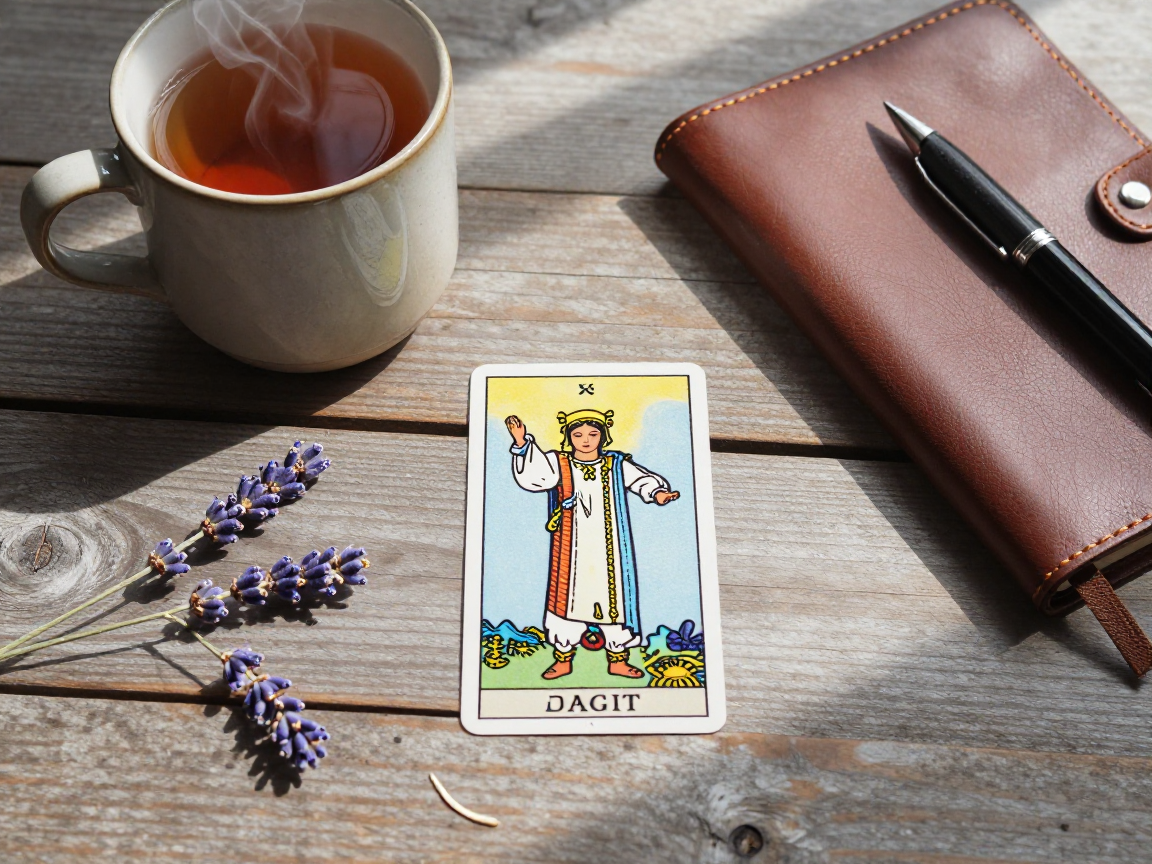
In the rush of a modern morning, most of us reach for our phones before our feet even hit the floor. We are immediately bombarded by notifications, news cycles, and the demands of others, placing us in a reactive state before the day has truly begun. This digital noise creates a fragmented mindset, making it difficult to feel grounded or intentional. However, a growing number of people are turning away from the screen and toward a centuries - old tool to reclaim their morning peace: the daily tarot draw.
A daily tarot draw is not necessarily about predicting whether you will win the lottery or meet a mysterious stranger. Instead, it serves as a psychological mirror and a spiritual anchor. By pulling a single card each morning, you invite a specific archetype or theme into your consciousness. This practice transforms the start of your day from a series of frantic reactions into a deliberate act of self - reflection. It provides a lens through which you can view upcoming challenges, helping you to remain proactive rather than defensive as you navigate your professional and personal life.
Why Ritualizing Your Daily Tarot Draw Matters
Consistency is the foundation of any transformative practice. When you commit to a daily tarot draw, you are essentially telling yourself that your inner world deserves at least as much attention as your inbox. This ritual acts as a bridge between your subconscious mind and your waking reality. Over time, the symbols and stories found within the 78 cards of the tarot deck become a familiar language, allowing you to communicate more effectively with your own intuition.
Building an Internal Compass
In a world that constantly demands our attention, we often lose touch with our own internal compass. We look for external validation or follow the paths laid out by social expectations. The daily tarot draw forces a momentary pause. It asks you to stop and consider how a card like the Three of Swords or the Sun might apply to your current state of mind. This process builds a muscle of self - awareness. You begin to notice patterns in your emotional responses and start to recognize that you have the agency to choose your reaction to any given situation.
Moving Beyond Prediction to Presence
Many beginners approach the tarot with a sense of trepidation, fearing that a "bad" card will ruin their day. However, an editorial shift in perspective reveals that there are no truly bad cards in a daily tarot draw. Each card represents a facet of the human experience. Even the traditionally challenging cards, such as the Tower or Death, offer valuable insights into the necessity of change and the beauty of clearing away what no longer serves you. When you focus on presence rather than prediction, the daily tarot draw becomes a tool for resilience. It prepares you to meet the day with an open heart, regardless of what the weather or the world may bring.
How to Perform a Meaningful Daily Tarot Draw
Creating a successful practice does not require an elaborate altar or hours of meditation. It requires intentionality. To get the most out of your daily tarot draw, follow this structured framework designed to maximize both clarity and personal connection.
- Clear the Space and the Mind: Before you touch your deck, take three deep breaths. Close your eyes and let go of any lingering dreams or immediate anxieties about your to - do list. The goal is to create a small pocket of stillness where you can receive the message of the card.
- Formulate a Neutral Query: Instead of asking "What will happen today?", try asking "What energy should I embody today?" or "What should I be mindful of as I move through my afternoon?" A neutral, open - ended question allows for a much broader and more helpful interpretation.
- Shuffle with Intent: There is no "right" way to shuffle. You can use the riffle method, overhand shuffle, or simply spread the cards in a messy pile on the table. The key is to keep your query at the forefront of your mind. Stop when you feel a natural pause or when a card "jumps" out of the deck.
- The Reveal and Initial Reaction: Flip the card over. Notice your immediate visceral reaction before you reach for a guidebook. Do you feel a sense of relief? Anxiety? Confusion? This initial emotional response is often more telling than the literal definition of the card.
- Synthesize the Meaning: Look at the imagery. What symbols stand out? How do these symbols relate to your current life circumstances? Once you have formed your own thoughts, you can consult a guidebook to add another layer of traditional meaning to your daily tarot draw.
Interpreting Your Card: Context is Everything
The power of a daily tarot draw lies in its application to your specific life. A card like the Queen of Pentacles might signify a need to focus on your physical health one day, while on another day, it might suggest a need for practical boundaries at work. To truly understand the message, you must place the card within the context of your current challenges and goals.
Journaling Prompts for Deep Reflection
If you find yourself stuck on a card's meaning, journaling can be an incredible way to unlock its wisdom. Try writing for five minutes using one of these prompts based on your daily tarot draw:
- How does the archetype in this card mirror a person or situation currently in my life?
- If I were the character in this card, what would be my very first step toward solving a problem?
- What part of this card's imagery do I find most uncomfortable, and why?
- How can I embody the positive qualities of this card during my most stressful meeting today?
- What is the "hidden" gift within this card that I might be overlooking?
Common Mistakes That Muddle Your Daily Practice
While the daily tarot draw is a simple practice, there are a few common pitfalls that can make it feel frustrating or unhelpful. Recognizing these early on will help you maintain a sustainable and rewarding routine.
- Over - Pulling: When you don't like the first card you pull, it is tempting to pull another, and another, until you get a "better" answer. This is known as stalking the deck. It muddies the message and prevents you from sitting with the productive discomfort that the original card may have offered.
- Literal Interpretation Only: Taking the cards too literally can lead to unnecessary worry. Tarot speaks in the language of symbols and metaphors. If you pull the Ten of Swords, it rarely means a literal betrayal; it more likely refers to an intellectual exhaustion or a cycle that has finally reached its natural end.
- Rushing the Process: If you are pulling a card while running out the door, you won't have the mental space to integrate its meaning. It is better to skip a day than to treat your daily tarot draw as just another chore to check off your list.
- Ignoring Your Intuition: Relying solely on guidebooks can make the practice feel robotic. While tradition is important, your personal connection to the imagery is what makes the daily tarot draw a living, breathing part of your growth.
Integrating the Daily Tarot Draw Into Your Existing Routine
To make this practice stick, it helps to anchor it to an existing habit. You might keep your deck on your nightstand and pull a card while your coffee brews. Or, you might find that an evening draw works better, using the card as a tool for decompressing and reviewing the events of the day through a different lens. Some practitioners like to keep their daily card on a small stand on their desk throughout the workday. This serves as a visual reminder to return to the intention you set in the morning.
Another effective way to integrate the daily tarot draw is to pair it with other mindfulness techniques. For instance, you could pull a card and then spend two minutes in silent meditation, visualizing yourself breathing in the energy of that archetype. If the card is the Strength card, you might visualize a soft, golden light filling your chest, giving you the quiet courage to handle a difficult conversation. By combining the visual prompt of the card with the somatic experience of meditation, you anchor the lesson in your body as well as your mind.
The Long - Term Benefits of Consistent Practice
After a few months of performing a daily tarot draw, you will likely notice a shift in how you process information. You may become more observant of the "synchronicities" in your life - those strange coincidences that seem to carry meaning. You might find that you are less easily rattled by minor setbacks because you have cultivated a broader perspective on the cycles of life.
Ultimately, the daily tarot draw is a practice of reclaiming your narrative. It reminds you that while you cannot control the cards you are dealt - both literally and figuratively - you have absolute control over how you choose to play them. It is a small, quiet act of rebellion against a world that wants you to be distracted and reactive. By choosing to look inward for a few minutes every morning, you are choosing to lead a life that is grounded, intentional, and deeply your own. Whether you are a seasoned reader or a curious beginner, the simple act of turning over one card can be the catalyst for a much larger transformation. It is a conversation with the self that never truly ends, offering a new beginning with every single shuffle.