Beyond the Altar: How a Daily Spiritual Practice Actually Rewires Your Nervous System and Restores Peace
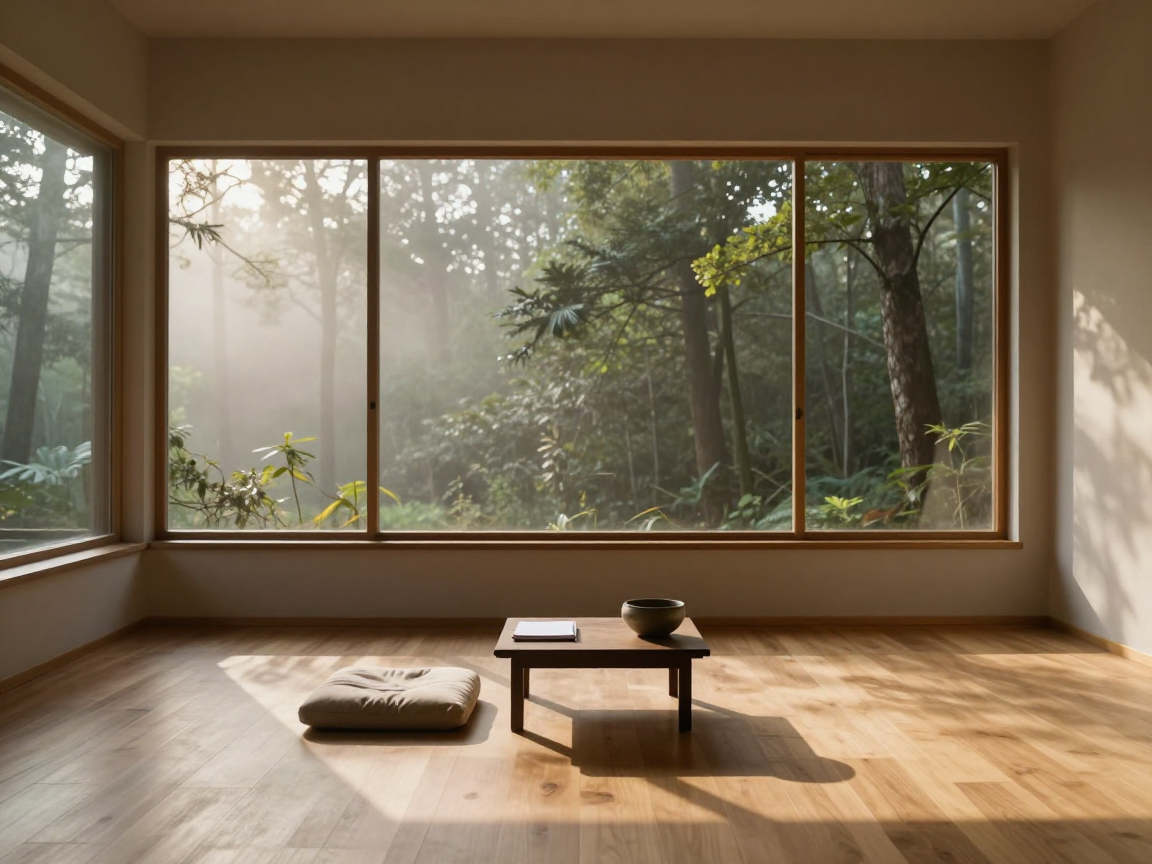
In an era defined by constant digital noise, the relentless pace of productivity, and an ever-increasing list of external demands, many people find themselves feeling fundamentally hollow even when they are technically succeeding. We move through our schedules with a sense of frantic efficiency, checking boxes and meeting deadlines, yet we often feel strangely disconnected from our own bodies and the deeper currents of our lives. This persistent sense of being scattered, anxious, or emotionally thin is not a personal failure; it is a natural biological response to a world designed to fragment our attention. To counter this modern fragmentation, many are turning back to an ancient solution: the intentional cultivation of a daily spiritual practice.
A daily spiritual practice is not about religious dogma, rigid rules, or performing complex rituals for the sake of tradition. Instead, it is a deliberate "return to center"—a set of repeated, intentional actions that anchor the psyche and regulate the nervous system. When we commit to this type of discipline, we are essentially building a private sanctuary within time itself. It is a commitment to sit with oneself before the world demands a piece of our energy. This article explores how to bridge the gap between wanting more depth and actually living it, providing a scientific and practical blueprint for a practice that fits into a modern life without feeling like just another chore on an overstuffed to-do list.
The Neurobiology of Inner Stillness
While the word "spiritual" often evokes images of incense, temples, and ethereal concepts, the impact of a daily spiritual practice is deeply physiological and grounded in neuroscience. When we engage in repetitive, contemplative activities, we are actively training our brain to exit the "fight or flight" mode of the sympathetic nervous system and enter the "rest and digest" state of the parasympathetic nervous system.
Modern psychology identifies this shift as moving from the "doing" mode to the "being" mode. In the "doing" mode, the brain is hyper-vigilant, constantly scanning the environment for threats (including social threats or work pressures), calculating future outcomes, and judging past mistakes. This creates a baseline of low-level chronic stress. By contrast, a daily spiritual practice encourages the brain to enter alpha and theta wave states—patterns of electrical activity associated with creativity, deep relaxation, and heightened intuition.
Furthermore, consistent practice has been shown to strengthen the prefrontal cortex—the area of the brain responsible for executive function and emotional regulation—while simultaneously shrinking the amygdala, the brain's fear center. By consistently visiting these states of stillness, we don't just feel better in the moment; we actually rewire our neural pathways. Over time, this daily spiritual practice makes us more resilient to stress throughout the rest of the day, allowing us to respond rather than react to life's inevitable challenges.
The Three Pillars of a Sustainable Daily Spiritual Practice
To make a practice stick, it needs to be more than just a vague intention or a sporadic attempt at meditation. It requires a structure that balances flexibility with discipline. Most successful practitioners rely on three core pillars to keep their daily spiritual practice grounded, effective, and meaningful.
1. Stillness and Receptivity
Every practice needs a component where you stop producing, stop thinking, and start receiving. This might be traditional silent meditation, but it could also be sitting in silence with a cup of tea, practicing deep diaphragmatic breathing, or even "forest bathing." The goal is to create a gap between a stimulus and your response. In that gap, you find the freedom to choose how you want to show up in the world. Stillness allows the "noise" of the ego to settle, revealing the clearer insights that lie beneath the surface.
2. Intellectual or Soulful Contemplation
Spirituality is often strengthened by engaging with wisdom that exists outside of our own immediate ego. This involves reading sacred texts, listening to philosophical podcasts, or journaling on a specific prompt. It provides a "lighthouse" for the mind, giving it something constructive to focus on rather than its usual loop of worries. By engaging with high-level ideas or ancient wisdom, we expand our perspective beyond our personal problems and reconnect with the universal human experience.
3. Embodiment and Movement
A daily spiritual practice that stays only in the head is incomplete. The body is the vessel through which we experience life, and it stores much of our suppressed emotional energy and trauma. Incorporating gentle movement—whether it is yoga, a mindful walk, or simple stretching—helps to ground the spiritual experience in physical reality. Movement helps move stagnant energy and ensures that the peace we find in our minds is actually integrated into our physiology.
Why Most People Fail (and How to Avoid It)
The most common reason people abandon their daily spiritual practice is the "all or nothing" fallacy. We often believe that if we cannot spend an hour in perfect, lotus-position meditation, then the practice is a failure. This perfectionism is actually a defense mechanism of the ego, trying to keep us from the vulnerability of genuine change. To ensure your daily spiritual practice survives the reality of a busy life, consider these shifts in perspective:
- Prioritize Frequency Over Duration: Five minutes of intentionality every single day is far more transformative than two hours of practice once every two weeks. Consistency creates the "compound interest" of spiritual growth. It is better to do a tiny bit every day than a lot once in a while.
- Release the Need for Results: If you enter your practice expecting a "spiritual high" or an immediate sense of bliss, you will often be disappointed. The goal is not a specific feeling, but the act of showing up for yourself. Some days will feel profound; other days will feel like you are just sitting there with an itchy nose and a wandering mind. Both are part of the process.
- Create a Physical Anchor: Designate a specific chair, a corner of a room, or even a specific candle for your practice. These sensory cues tell your brain it is time to shift gears from the "external world" to the "internal world."
A 15-Minute Framework for Your Daily Ritual
If you are unsure where to start, this simple framework provides a balanced foundation for a daily spiritual practice. You can expand or contract each section based on your schedule, but try to keep the sequence intact.
- The Arrival (3 Minutes): Sit comfortably and close your eyes. Simply notice the sensation of your feet on the floor and the air entering your nostrils. Do not try to change your breath; just acknowledge that you are alive and present. This signals to your nervous system that you are safe.
- The Clearing (4 Minutes): Use a journal to perform a "brain dump." Write down every worry, task, or frustration currently taking up space in your mind. By putting them on paper, you signal to your subconscious that you do not need to carry them for the rest of your ritual. This creates mental "white space."
- The Connection (5 Minutes): This is the core of your daily spiritual practice. Choose one activity that makes you feel connected to something larger than yourself. This could be a guided meditation, a prayer, or listening to specific sound frequencies (like Solfeggio frequencies) designed for relaxation and healing.
- The Intention (3 Minutes): Before you re-enter the world, ask yourself one question: "Who do I want to be today?" Choose one word to carry with you—such as "patience," "clarity," or "courage"—and imagine moving through your day with that quality at the forefront of your interactions.
Integration: Moving Beyond the Cushion
A daily spiritual practice is not meant to be an escape from the world; it is meant to be a preparation for it. The true test of your practice does not happen when you are sitting in silence; it happens when you are stuck in traffic, dealing with a difficult colleague, or facing a personal setback.
Integration means taking the "internal climate" you cultivate during your morning ritual and bringing it into your interactions throughout the day. If your practice includes a focus on compassion, look for one opportunity to express that compassion in a mundane situation. If it focuses on presence, try to eat one meal without looking at your phone. This turns your entire life into a spiritual practice, where every challenge becomes a classroom for the soul.
Common Obstacles and Quick Solutions
Even with the best intentions, life will interfere. Here is how to handle common disruptions to your daily spiritual practice:
- Traveling: Use "habit stacking" by linking your practice to something you already do while traveling, like practicing mindfulness while waiting at an airport gate or listening to a contemplative podcast during a flight.
- Extreme Fatigue: If you are too tired for a full ritual, replace it with a "restorative practice." Lay on the floor with your legs up the wall for five minutes and practice deep breathing. This honors the spirit of the daily spiritual practice without draining your limited energy.
- Intrusive Thoughts: When your mind wanders during your daily spiritual practice, do not judge yourself. The moment you realize your mind has wandered is actually the moment of mindfulness. Simply note "thinking" and return to your focus point (like your breath).
- Lack of Privacy: If you live in a crowded house, try a "walking practice" outside or even five minutes of mindful presence in a parked car before you head into work or back into the house.
The Long-Term Harvest of Consistency
After a few weeks of a consistent daily spiritual practice, the changes are usually subtle. You might notice you are slightly less reactive to minor annoyances. You might find it easier to fall asleep at night because your mind isn't racing as fast. You might feel a strange, quiet sense of "okayness" even when external circumstances are messy.
After a few months, the shifts become more profound. A daily spiritual practice builds a "reservoir of peace" that you can draw from during genuine crises. It clarifies your values, making it easier to say "no" to things that drain you and "yes" to things that nourish you. Ultimately, this practice is an act of self-reclamation. It is a way of saying that your inner world is just as important—if not more so—than the demands of the external world.
In a society that profits from our distraction and discontent, there is nothing more radical than a person who is grounded, present, and at peace. Your daily spiritual practice is the engine of that transformation. It is the steady, quiet work of building a life that feels as good on the inside as it looks on the outside. By reclaiming fifteen minutes of your morning, you are reclaiming the quality of your entire life.