Beyond Deep Sighs: Why a Daily Breathwork Practice is the Missing Link in Your Mental Health
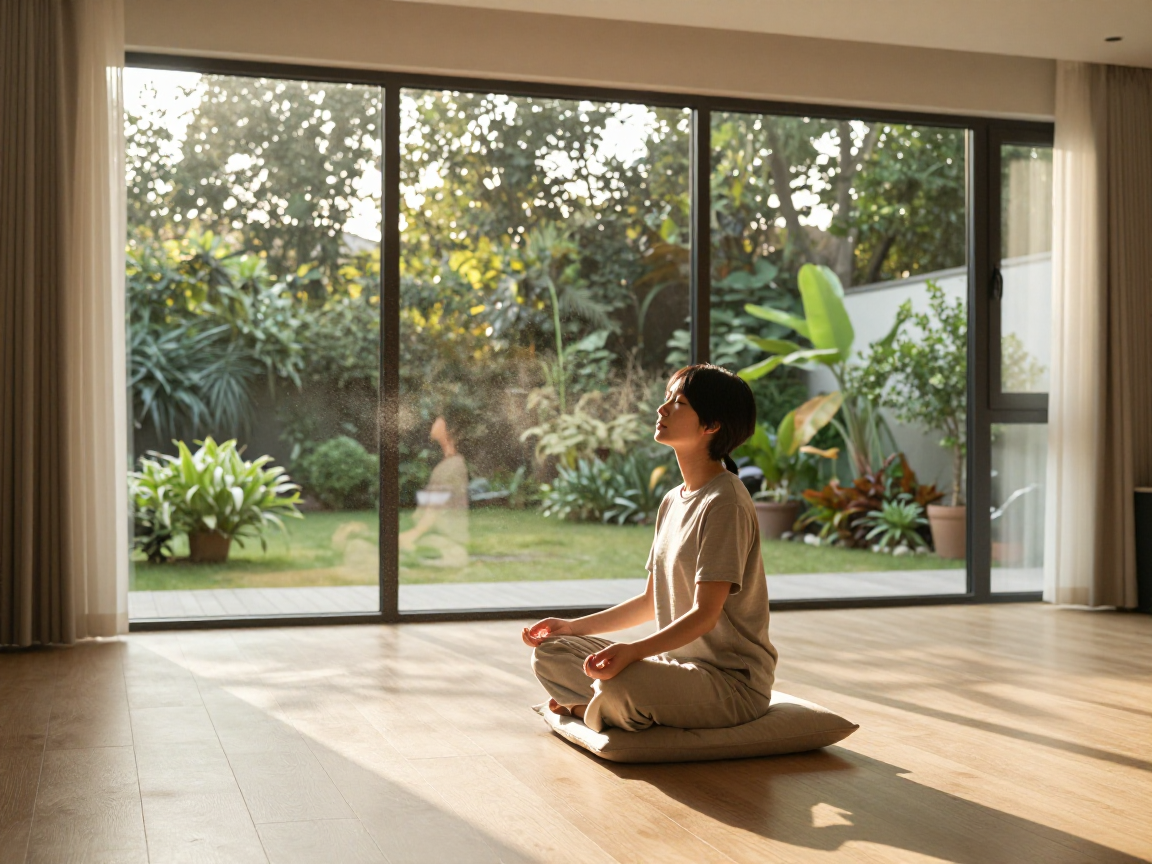
Most of us are surviving on what could be described as biological table scraps. We breathe just enough to stay alive, using only the top third of our lungs, while our nervous systems hum with the low - frequency vibration of constant alert. We have become experts at shallow, clavicular breathing - the kind that tells the brain we are perpetually being hunted by a predator that never quite arrives. This state of constant sympathetic arousal is why so many people feel exhausted yet wired, unable to focus despite a mountain of caffeine, and emotionally reactive to the smallest inconveniences.
Establishing a daily breathwork practice is not about adding another chore to your to - do list. It is about reclaiming the manual override for your internal state. While most of our bodily functions - like digestion or hormone secretion - happen without our conscious input, the breath sits at a unique intersection. It is both automatic and controllable. By changing the rhythm, depth, and cadence of your respiration, you are essentially sending a high - speed telegram to your brain, instructing it to change your chemistry. Whether you need to calm down before a presentation or wake up your mind for a creative session, the breath is the most accessible tool you possess.
The Science of the Shift: Why Your Nervous System Needs This
To understand why a daily breathwork practice is so transformative, we have to look at the Vagus nerve. This is the longest cranial nerve in the body, acting as a two - way highway between the brain and the major organs. About 80 percent of the information traveling along the Vagus nerve goes from the body up to the brain. When you breathe shallowly and quickly, you are sending a signal of distress. When you slow your breath and engage the diaphragm, you stimulate the Vagus nerve, which triggers the parasympathetic nervous system - the rest and digest response.
Another critical factor is the balance of oxygen and carbon dioxide. Many people believe that breathing more means getting more oxygen, but the reality is more nuanced. To actually utilize the oxygen in your blood, you need a healthy level of carbon dioxide to be present. This is known as the Bohr Effect. Over - breathing - a common byproduct of chronic stress - flushes out too much CO2, causing your blood vessels to constrict and making it harder for oxygen to reach your brain and muscles. A consistent daily breathwork practice trains your body to tolerate higher levels of CO2, leading to better oxygenation and increased energy.
The Three - Pillar Framework for Building Your Practice
Starting a daily breathwork practice does not require a meditation cushion or an hour of silence. It requires consistency and a basic understanding of how to sequence your efforts. If you are new to the practice, use the following framework to ensure you are building a sustainable habit rather than a fleeting interest.
1. The Anchor Ritual
Identify a specific time and place that serves as your anchor. Habit stacking is the most effective way to do this. Pair your breathwork with an existing habit. For example, do five minutes of breathing immediately after you pour your morning coffee, or right after you close your laptop for the day. The goal is to make the practice feel like a natural extension of your existing routine rather than a separate, daunting task.
2. Physical Alignment
While you can breathe anywhere, your posture dictates the efficiency of your lungs. Ensure your spine is tall but not rigid. If you are slumped over a desk, your diaphragm is compressed, making it nearly impossible to take a full, nourishing breath. If sitting is uncomfortable, try lying flat on your back with your knees slightly bent. This position naturally encourages diaphragmatic expansion without the effort of supporting your torso.
3. Conscious Observation
Before you start any specific technique, spend sixty seconds just noticing. Where is the air going? Is it stuck in your chest? Is your jaw clenched? This initial observation phase bridges the gap between your busy mind and your physical body. It transitions you from a state of doing into a state of being.
Core Techniques to Master
Depending on your needs, different patterns of breathing will produce different results. A comprehensive daily breathwork practice should include a few tools you can rotate based on your emotional state.
- The 4-7-8 Breath for Anxiety: Inhale for 4 seconds, hold for 7, and exhale through the mouth for 8. The long exhale is the key here, as it forcefully engages the parasympathetic response. It is often referred to as a "natural tranquilizer for the nervous system".
- Box Breathing for Focus: Inhale for 4, hold for 4, exhale for 4, and hold empty for 4. This technique is used by elite performers and tactical athletes to maintain a state of "calm alertness". It balances the system without making you sleepy.
- Diaphragmatic Breathing for Longevity: Focus purely on the belly. Place one hand on your chest and one on your stomach. The goal is for only the hand on your stomach to move. This is the most efficient way to breathe and should eventually become your default state throughout the day.
Overcoming Common Obstacles
Many people start a daily breathwork practice with high intentions but fall off within a week. The most common reason is the feeling of "doing it wrong" or feeling lightheaded. It is important to remember that if you have been a shallow breather for decades, your body will need time to adjust to a new chemical balance. If you feel dizzy, simply return to normal breathing for a moment. This is just your body adjusting to the shift in CO2 levels.
Another barrier is the mental chatter. We often think that because our minds are racing, the breathwork isn't working. In reality, the racing mind is the reason you are practicing. The goal is not to stop the thoughts, but to provide a physical anchor that exists alongside them. Over time, the space between the thoughts will naturally widen.
The Daily Breathwork Checklist for Success
To keep your daily breathwork practice on track, use this simple checklist to audit your progress each week:
- Consistency over Intensity: Did I practice for 5 minutes every day, rather than 35 minutes once a week?
- Nasal Dominance: Am I breathing through my nose? The nose filters, warms, and humidifies the air while producing nitric oxide, which helps with blood flow.
- Low and Slow: Is my breath reaching my lower ribs, or is it staying in my neck and shoulders?
- Environmental Control: Did I minimize distractions? Even putting your phone on "Do Not Disturb" for five minutes can double the effectiveness of the session.
- Self - Compassion: If I missed a day, did I start again immediately without guilt?
The Long - Term Impact: What Happens After 30 Days?
When a daily breathwork practice becomes a non - negotiable part of your life, the benefits extend far beyond the five or ten minutes you spend sitting. You will begin to notice "micro - moments" of awareness throughout your day. You might catch yourself holding your breath while answering an email - a phenomenon known as "email apnea" - and consciously choose to take a deep, belly breath instead.
Physiologically, your heart rate variability (HRV) - a key marker of health and resilience - will likely improve. You will find that you recover from stress more quickly. Instead of staying angry for two hours after a difficult conversation, you might find your system returning to baseline in fifteen minutes. This is the true power of the practice - it doesn't stop life from being stressful, but it changes your capacity to handle that stress.
Ultimately, your breath is the only part of your autonomic nervous system that you can consciously control. It is a bridge between the conscious and the subconscious, between the mind and the body. By dedicating time to a daily breathwork practice, you are not just breathing; you are learning how to live with more intention, more presence, and a profound sense of inner stability that no external circumstance can easily shake. Start today, even if it is just for sixty seconds. Your nervous system will thank you.