Beyond the Routine: A Soulful Guide to Creating Ceremony in a Digital Age
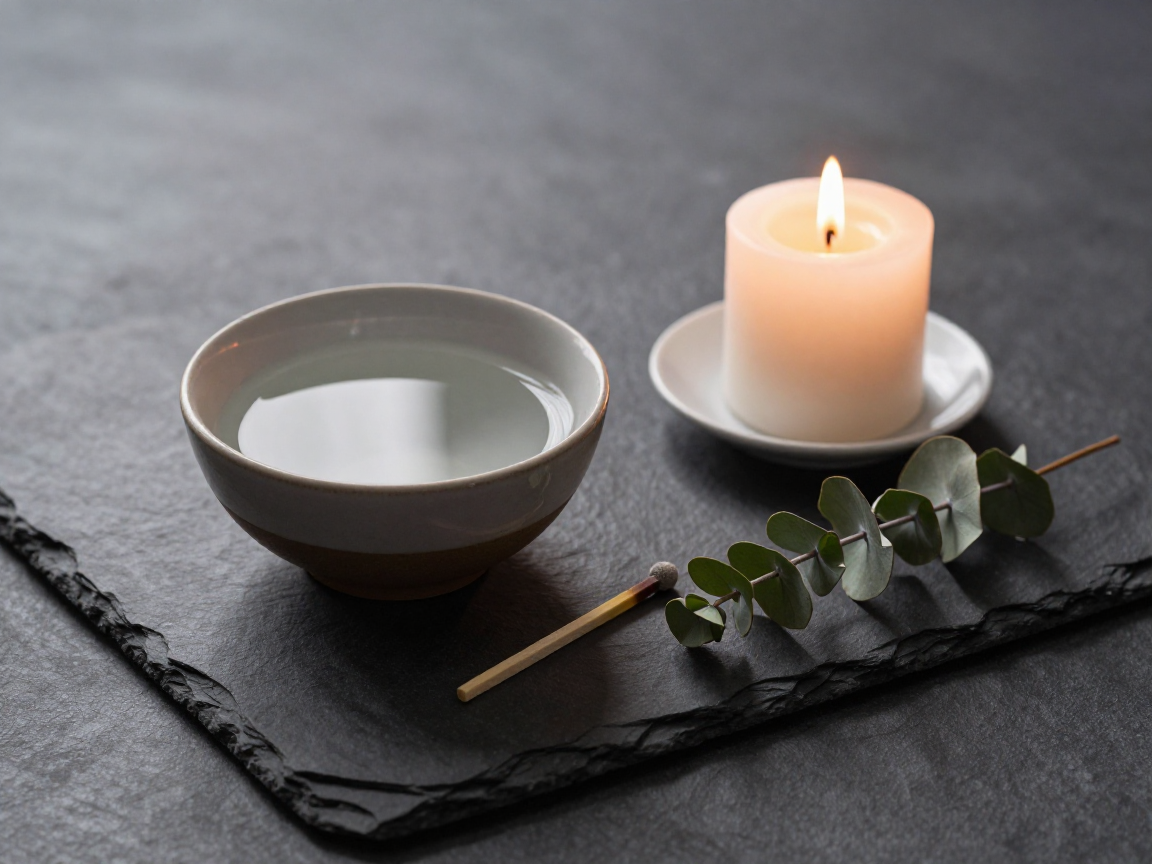
In the modern era, our lives are often measured by the relentless cadence of notifications, deadlines, and the digital hum of productivity. We move from one task to the next, one year to the next, often without pausing to acknowledge where we have been or where we are going. This lack of intentional marking can leave us feeling untethered, as if we are floating through a life that has plenty of activity but very little depth. This is where the ancient art of creating ceremony becomes an essential tool for the contemporary soul.
Creating ceremony is not about adhering to rigid religious dogmas or performing complex theatrical displays. At its heart, it is the intentional act of stepping out of chronological time - what the Greeks called chronos - and entering into kairos, or the opportune, sacred moment. By creating ceremony, we build a bridge between our internal experience and the external world, allowing us to process grief, celebrate growth, and anchor ourselves in the present. It is a psychological and spiritual technology that helps us make sense of the invisible shifts occurring within our lives.
The Science of Significance: Why Creating Ceremony Works
Human beings are hardwired for ritual. Anthropologists have found that every culture in history has used some form of ceremonial practice to mark transitions. But this is not just tradition; it is neurobiology. When we engage in the process of creating ceremony, we are communicating with the subconscious mind using the language it understands best: symbols, sensory input, and focused intention.
Research in psychology suggests that rituals can significantly lower cortisol levels and reduce anxiety. When we face a major life change - such as a career shift, a breakup, or a relocation - our brains often go into a state of high alert. Creating ceremony provides a sense of control and predictability. It tells the nervous system that even though the external world is changing, there is an orderly process occurring. This helps us move through what researchers call "liminality" - the uncomfortable threshold between the old self and the new self.
Furthermore, ceremony acts as a powerful memory anchor. Because ceremonies involve heightened sensory experiences - such as the smell of incense, the sound of a bell, or the physical act of writing - they burn the moment into our long - term memory. This allows us to look back on our lives not as a blur of days, but as a meaningful series of milestones that we actively participated in shaping.
Routine vs. Ceremony: Understanding the Difference
It is easy to confuse routine with ceremony, but the distinction is vital for anyone interested in creating ceremony that actually resonates. A routine is a sequence of actions followed regularly to achieve a functional result. Brushing your teeth is a routine. Checking your email is a routine. While routines provide structure, they are often performed on autopilot.
Ceremony, however, requires presence. You cannot perform a ceremony while your mind is elsewhere. When you are creating ceremony, you are imbuing a sequence of actions with a specific meaning. Lighting a candle to provide light is a routine; lighting a candle to represent the spark of a new creative project is a ceremony. The difference lies entirely in the intention and the quality of attention you bring to the act.
To move from routine to ceremony, consider these three shifts:
- Attention: Moving from multitasking to singular focus.
- Symbolism: Moving from the literal (water washes my hands) to the symbolic (water washes away my old fears).
- Thresholds: Moving from a continuous flow of time to a defined beginning, middle, and end.
The Core Ingredients of an Impactful Ceremony
While every ritual will look different depending on the person and the occasion, successful examples of creating ceremony usually share several core components. These elements act as the scaffolding for your experience.
The Power of the Threshold
Every ceremony needs a clear entrance and exit. This is known as the threshold. Without a defined beginning and end, the ceremony bleeds into the rest of ordinary life and loses its potency. You might mark the beginning by ringing a chime, taking three deep breaths, or physically stepping into a different room. You mark the end by blowing out a candle, saying a specific word like "complete", or sharing a meal. These boundaries tell your brain, "Something different is happening here".
Sensory Engagement
Because the subconscious mind is not primary linguistic, it responds more deeply to sensory cues. When creating ceremony, try to engage as many senses as possible. Use a specific scent (like cedar or lavender) that you only use for this purpose. Use a specific sound, like a singing bowl or a particular song. Involve touch by holding a stone or a piece of fabric. The more senses you involve, the more "real" the ceremony feels to your psyche.
Symbolic Action
At the center of the ceremony should be a symbolic action. This is the heart of the process. If you are letting go of a relationship, the action might be burning a letter. If you are inviting in new energy, it might be planting a seed. If you are honoring a personal achievement, it might be anointing yourself with oil. The action should feel physically representative of the internal change you are seeking.
A 5-Step Framework for Creating Ceremony
If you have never designed a ritual before, the process can feel intimidating. Use this framework to begin creating ceremony for any transition in your life.
- Identify the Intent: What is the primary purpose of this moment? Are you releasing, welcoming, honoring, or protecting? Write this down in one clear sentence. For example: "I am creating this ceremony to honor the ending of my time at this job".
- Select Your Symbols: Choose objects that represent the elements of your transition. These could be items from nature, photographs, heirlooms, or even colors. Ensure these objects have a personal resonance for you.
- Prepare the Space: Clear the physical clutter from the area where you will perform the ceremony. You might want to use a specific corner of your home or a spot in nature. The act of cleaning the space is actually the beginning of the ceremony itself.
- Perform the Core Ritual: Enter the space through your threshold. Speak your intention aloud. Engage in your symbolic action - burn, bury, wash, plant, or speak. Allow yourself to feel the emotions that arise without judgment.
- Ground and Close: Once the action is finished, take a moment to sit in silence. Acknowledge the shift that has occurred. Close the threshold and do something grounding, like drinking a glass of water or going for a short walk, to bring yourself back into the physical world.
Modern Contexts: When to Create Your Own Ritual
We often wait for the "big" moments to think about ceremony, but creating ceremony for the smaller, more personal shifts can be even more transformative. Here are a few modern scenarios where a custom ritual can provide much - needed clarity.
Digital Sundowns and Information Detox
In a world of constant connectivity, the transition from "work mode" to "rest mode" is often blurred. You can create a small ceremony to signal the end of your digital day. This might involve physically placing your phone in a dedicated box, washing your face with cool water to "rinse off" the day's stress, and lighting a candle that stays lit until you go to sleep.
Marking the End of a Creative Project
When we finish a long project, we often jump immediately into the next one. This leads to burnout. Creating ceremony at the completion of a project allows you to integrate the lessons learned. You might print out the final page and file it away, or treat yourself to a specific meal that you only eat upon finishing a major milestone.
Navigating "Invisible" Grief
Society has rituals for death, but very few for the other types of grief we experience - the loss of a friendship, the death of a dream, or the realization that a certain chapter of your life is over. Creating ceremony for these invisible losses is essential for emotional processing. It validates your pain and provides a container for it, preventing the grief from becoming stuck in your body.
Common Pitfalls to Avoid
When you begin creating ceremony, it is easy to get caught up in the aesthetics or to feel like you are "doing it wrong". Keep these reminders in mind to ensure your practice remains effective:
- Avoid Over-Complication: A ceremony doesn't need to be long or involve expensive tools. A five - minute ritual with a single glass of water can be more powerful than a two - hour event that feels performative.
- Don't Force the Feeling: You might expect to feel a sudden rush of peace or clarity. Sometimes you will, but sometimes you will just feel quiet or even a bit awkward. Trust the process rather than the immediate emotional payoff.
- Stay Personal: Do not feel obligated to use symbols or words that do not resonate with you just because they are traditional. If a specific poem or object feels meaningful to you, use it. Creating ceremony is an act of personal authority.
The Architecture of a Meaningful Life
Ultimately, creating ceremony is about reclaiming the architecture of our lives. It is a way of saying that our experiences matter, that our transitions are worthy of notice, and that we refuse to live on autopilot. When we take the time to mark our path with intention, we transform the mundane into the sacred.
As you begin to experiment with creating ceremony, start small. Look for a transition this week - a new moon, the end of a work week, or the start of a new habit - and give it a threshold, a symbol, and a moment of silence. You may find that these small anchors provide the stability you need to navigate even the most turbulent of times. By becoming the architect of your own rituals, you ensure that you are not just passing through life, but truly living it.