Beyond Just Spring Cleaning: Why Cleansing Rituals Are the Missing Key to Emotional and Energetic Clarity
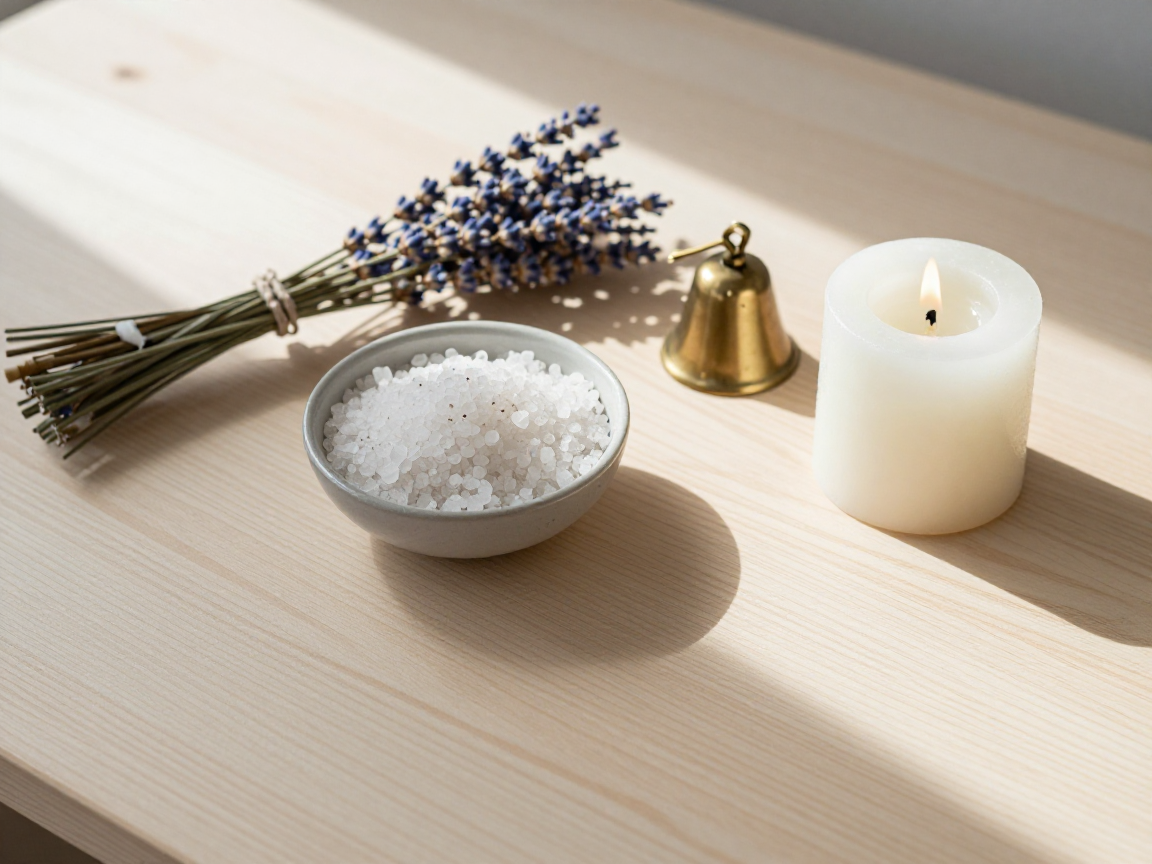
We have all walked into a room and felt an immediate sense of heaviness or tension, even if the space looked physically clean. It is that lingering residue from a difficult conversation, a stressful workday, or simply the weight of accumulated objects that no longer serve us. While modern life often focuses on productivity and constant input, we rarely stop to consider the importance of intentional output—the deliberate clearing of space to make room for something new. This is where the ancient practice of cleansing rituals becomes a modern necessity.
At their core, cleansing rituals are about more than just aesthetics or hygiene. They are symbolic acts that help us transition between states of being. Whether you are moving into a new home, ending a relationship, or simply trying to shake off a bad mood, these practices provide a psychological and energetic container for release. By engaging in a ritual, you signal to your subconscious mind that a boundary has been drawn and that the past no longer has a hold on the present moment. It is a way of saying to yourself, "This chapter is closed, and I am ready for what comes next."
The Psychology and Science of Ritualized Clearing
While the term cleansing rituals might sound mystical to some, there is a grounded psychological component to why they work so effectively. Human beings are hardwired to respond to ritual. From a clinical perspective, rituals help reduce anxiety by providing a sense of control in an unpredictable world. When we perform a specific set of actions with a clear intention, we activate the brain—specifically the prefrontal cortex—to focus on the desired outcome rather than the stressors we are trying to leave behind.
This phenomenon is often linked to the concept of "enclothed cognition" or environmental priming. Just as wearing a suit can make you feel more professional, being in a space that has been intentionally "cleared" primes your brain for clarity and calm. Furthermore, the physical act of cleansing—whether through smoke, water, or sound—acts as a sensory anchor. These sensory cues tell the nervous system that the environment is safe and renewed. This is why many people feel a "lightness" after a ritual; it is not just the room that has changed, but their own physiological state. By intentionally interacting with our environment, we move from a passive state of being affected by our surroundings to an active state of shaping them.
Recognizing the Signs of Stagnant Energy
How do you know when it is time to perform a reset? Stagnation often manifests in subtle ways before it becomes overwhelming. In many traditions, this is referred to as "sha chi" or stagnant energy, but you don't need to be a practitioner of Feng Shui to recognize the symptoms. If you find yourself experiencing any of the following, it may be a sign that your space or your personal field is due for one of your preferred cleansing rituals:
- Persistent Heaviness: A feeling of lethargy or "weightedness" that does not dissipate even after a full night's sleep.
- Chronic Brain Fog: Difficulty focusing on simple tasks, or a sense that your thoughts are "muddled" as soon as you enter a specific room.
- Emotional Echoes: Recurring arguments or tension with the people you live with, often centered around the same tired topics without resolution.
- Creative Blockages: A sense that you are "stuck" in your career, creative pursuits, or personal growth, as if you are hitting an invisible wall.
- Restless Sleep: Difficulty falling asleep or experiencing vivid, exhausting dreams that leave you feeling unrefreshed.
- Physical Depletion: Feeling physically drained or "sucked dry" as soon as you walk through your front door, even if you felt energetic moments before.
The Four Elements: A Framework for Cleansing Rituals
To make these practices accessible and effective, it helps to categorize them by the four traditional elements. Each element offers a different "frequency" of clearing, allowing you to choose the ritual that best suits your specific needs and the specific type of "clutter" you are facing.
Air: Movement, Smoke, and Sound
Air rituals are perhaps the most common forms of cleansing rituals. They focus on moving energy through the atmosphere and breaking up static patterns.
- Smoke Cleansing: Using ethically sourced herbs like garden sage, rosemary, lavender, or dried cedar can help "mop up" stagnant energy. As the smoke rises, it is traditionally thought to carry away heavy vibrations.
- Sound Clearing: If you prefer not to use smoke, sound is an incredible tool. Using a singing bowl, a bell, or even clapping your hands in the corners of a room breaks up "stuck" energy through physical vibration. Science shows that certain frequencies can actually alter the molecular structure of our environment.
- Ventilation: Never underestimate the power of simply opening every window and door in your home for ten minutes. Fresh air is one of the most potent natural cleansers available to us, literally replacing stale carbon dioxide with life-giving oxygen.
Water: Flow and Purification
Water is the element of emotion, intuition, and the subconscious. Water-based cleansing rituals are ideal when you are dealing with emotional exhaustion, grief, or after a period of intense social interaction.
- Salt Baths: Salt is naturally crystalline and is believed to draw out toxins—both physical and energetic. Adding sea salt, Himalayan pink salt, or Epsom salts to a bath creates a powerful "reset" for the physical body and the nervous system.
- Floor Washes: Adding a few drops of essential oils like lemon, pine, or eucalyptus to your mop water turns a mundane chore into a ritual of purification. Mop from the back of the house toward the front door to "push out" the old.
Fire: Transformation and Release
Fire is the most aggressive element. It does not just move energy; it consumes and transforms it. This is best used when you need a total "break" from a past situation or a radical shift in perspective.
- Candle Work: Lighting a candle with the specific intention of "burning away" a negative thought pattern is a simple but profound act. Watching the flame can be a form of meditation that grounds your focus.
- The Burn Letter: This is one of the most cathartic cleansing rituals for emotional closure. Write down everything you want to release—anger, shame, or outdated beliefs—onto a piece of paper and then safely burn it in a fireplace or heat-safe bowl.
Earth: Grounding and Protection
Earth rituals are about stability and containment. Once you have cleared a space, you use Earth elements to keep it that way and prevent new "clutter" from settling in.
- Salt Barriers: Placing a small line of salt across doorways or a few grains in the corners of a room is a traditional method for "sealing" the space after a deep clear.
- Crystal Gridding: Using stones like black tourmaline, smoky quartz, or selenite can help absorb and neutralize negative frequencies before they settle into your environment. Think of them as energetic air filters.
The Digital Purge: Modern Cleansing Rituals
In the 21st century, our "space" isn't just physical; it's digital. Much of our mental fatigue comes from the invisible clutter of our devices. A modern approach to cleansing rituals must include our digital lives. Stagnant energy often hides in unread emails, toxic social media feeds, and the endless tabs open in our browsers.
Consider a monthly "Digital Reset." This involves unsubscribing from newsletters that no longer inspire you, deleting apps that trigger anxiety, and clearing your desktop of unnecessary files. This is more than organization; it is an act of reclaiming your attention. When you clear your digital path, you reduce the cognitive load on your brain, allowing for the same sense of "lightness" that comes from a physically cleared room.
A Step-by-Step Protocol for a Deep Space Reset
If you feel your entire home or life needs a refresh, follow this structured framework to ensure you are clearing the space thoroughly. This protocol combines physical cleaning with intentional cleansing rituals for the best results.
- Set Your Intention: Before you touch a single tool, decide what you want to achieve. Do you want more peace? More creativity? More focus? State this intention out loud or write it down. This acts as the "GPS" for the energy you are moving.
- Physical Decluttering: Energy cannot flow in a room filled with physical obstacles. Spend 15-30 minutes removing trash, old papers, or items that evoke negative memories. If an object feels "heavy" when you look at it, it is time for it to go.
- The Sweep: Physically sweep or vacuum from the back of the house toward the front door. This symbolizes pushing the "old" out of your life. Imagine you are gathering up all the mental fog and literal dust and ushering it out.
- The Energetic Clear: Choose your element (smoke, sound, or spray). Start at the front door and move clockwise through every room. Pay special attention to corners, closets, and behind doors, as energy tends to "pool" in dark, stagnant places. Use your tool (like a bell or a bundle of herbs) to "break up" the air in these spots.
- Seal and Invite: Once the clearing is done, the space is a vacuum. You must fill it with something positive. "Seal" the space by lighting a pleasant-smelling candle, playing uplifting music, or simply standing in the center of the house and stating your intention once more. This ensures the vacuum you just created is filled with your desired frequency.
Ethics, Sustainability, and Spiritual Bypassing
While cleansing rituals are largely intuitive, there are a few pitfalls to avoid. First, avoid "spiritual bypassing." A ritual is a tool to support your mental and emotional health, but it is not a replacement for taking real-world action. If you have a conflict with a partner, clearing the air with smoke is a great start, but you still need to have the actual conversation.
Second, respect the origins of the tools you use. Many cleansing rituals involve plants or practices from Indigenous cultures, such as the use of White Sage or Palo Santo. These plants are often over-harvested and culturally sensitive. Always ensure that the materials you buy are ethically harvested and sustainably sourced. Better yet, look into your own ancestral traditions—almost every culture in history has some form of smoke, water, or sound ritual that you can reclaim.
Finally, do not perform a ritual when you are in a state of high agitation or anger. The ritual will pick up on your current state. It is better to take a few deep breaths, wash your hands in cool water, and center yourself before beginning the process.
Integrating Cleansing into a Modern Lifestyle
You do not need an hour of free time or elaborate tools to benefit from these practices. In fact, the most effective cleansing rituals are often the ones integrated into your daily routine. Try "cleansing" your car after a stressful commute by playing a specific frequency of music, or "clearing" your workspace at the end of the day by wiping down your desk with an intentional spray of lavender water.
By treating your environment as an extension of your mind, you begin to see that maintenance is a constant, beautiful process. Cleansing rituals allow us to stop carrying the weight of yesterday into today. They remind us that we have the power to reset, to breathe, and to start over with a clean slate whenever we choose. In a world that is constantly demanding our attention and filling our space, the act of clearing is perhaps the ultimate form of self-care.