Why You Just Know Things Before They Happen: Identifying Your Hidden Claircognizance Traits
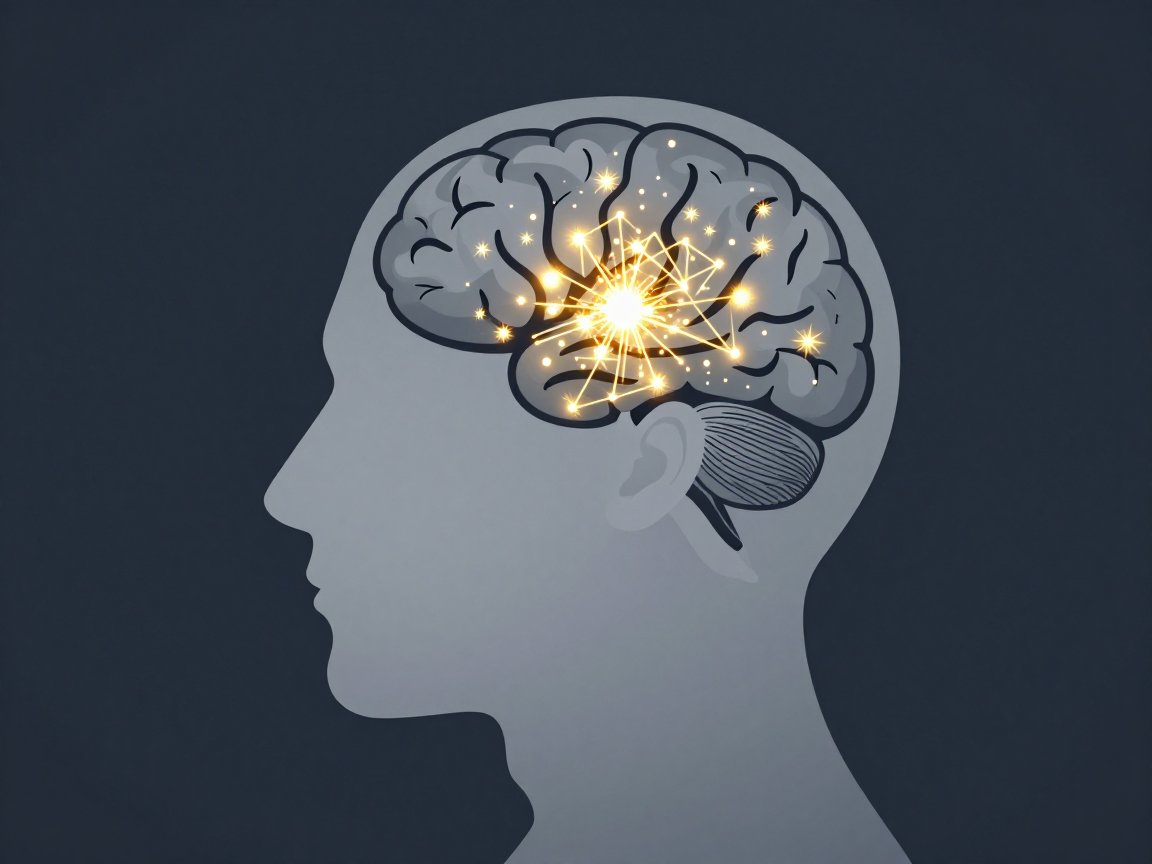
Have you ever walked into a room and known, with absolute certainty, that a specific event was about to unfold? There were no visual cues, no whispers in your ear, and no physical sensations in your gut. Instead, there was simply a sudden, immovable block of information in your mind. This experience is often described as an "intuitive download," and it is the hallmark of a specific type of intuitive ability known as claircognizance. While clairvoyance deals with images and clairaudience with sound, claircognizance is the gift of "clear knowing."
For many people, recognizing claircognizance traits is difficult because the experience is so deeply integrated with our own thoughts. It does not feel like a mystical vision; it feels like a memory of something that has not happened yet. Because our society prizes logic and linear reasoning, many people who possess these traits dismiss them as lucky guesses, coincidences, or just a "fast brain." However, understanding these patterns can transform a chaotic stream of random insights into a reliable tool for navigating life. Whether you call it an epiphany, a stroke of genius, or a psychic hit, these moments of spontaneous certainty are rarely accidental and represent a sophisticated processing of information beyond the five senses.
Defining the Experience of Clear Knowing
Claircognizance operates through what esoteric traditions call the "mental body." Unlike other intuitive senses that might trigger emotional responses (clairsentience) or physical sensations, this ability is purely cerebral. When someone experiences these traits, the information arrives all at once—a complete, finished concept dropped into the conscious mind without the step-by-step process of logical deduction. It is like being handed a book and instantly knowing the entire plot, the character arcs, and the ending without ever turning a page.
This can be particularly frustrating for the person experiencing it. Because the knowledge does not come through the five senses, it is often hard to explain to others. When asked how you know something, the only honest answer is often, "I just do." This lack of evidence often leads to skepticism from both the self and others. However, the hallmark of true claircognizance traits is their objective accuracy. Over time, the person begins to realize that these random flashes of certainty are more reliable than their most carefully constructed spreadsheets. This is not about "guessing"; it is about a direct access to information that exists outside of immediate observation.
10 Essential Claircognizance Traits to Recognize
If you suspect you possess this intuitive gift, you will likely recognize several of these traits in your daily life. They often manifest as a mix of personality quirks and sudden, inexplicable insights that stand apart from your regular internal monologue.
1. The Sudden Information Download
This is the most common of all claircognizance traits. You might be performing a mundane task—washing dishes, driving, or showering—when a complete idea or solution to a complex problem suddenly appears in your mind. It feels like a file has been downloaded from a cloud server directly into your brain. You did not have to think your way toward the conclusion; the conclusion arrived fully formed and ready for implementation.
2. Spotting Deception Effortlessly
People with these traits are often human lie detectors. It is not necessarily that you see a facial twitch or hear a quiver in someone's voice. Rather, as they speak, you simply "know" that the information they are sharing is false. You might even know the specific truth they are trying to hide. This isn't a suspicious feeling; it's a calm realization that the words being spoken do not match the underlying reality.
3. A Deep, Quiet Sense of Certainty
Unlike a hunch or a hope, which often carries an emotional "charge," claircognizance is characterized by an unshakable sense of certainty. Even if everyone else in the room disagrees with you, and even if all the available data points in a different direction, you cannot shake the feeling that your internal information is correct. This certainty is usually quiet and matter-of-fact, rather than frantic or emotional.
4. Problem-Solving in Your Sleep
Many claircognizants find that they wake up with the answer to a complex problem they were struggling with the night before. While the brain does process information during REM sleep, for those with these traits, the answer often feels less like a result of processing and more like a gift that was waiting for them when they opened their eyes. The "aha!" moment happens the instant they regain consciousness.
5. Predicting the Outcome of Situations
Whether it is a business deal, a romantic relationship, or a political event, you often know how things will end before they have truly begun. You might see two people meet and instantly know they are destined for each other, or you might look at a project proposal and know it will fail despite its outward brilliance. This foresight can make you feel like you're living a few steps ahead of the world around you.
6. You Are an "Automatic" Expert
You may find that you have a deep understanding of subjects you have never formally studied. You might find yourself explaining complex concepts to others or fixing a mechanical issue without having been trained. It is as if you are tapping into a universal library of information, allowing you to synthesize new information at an accelerated rate that others find baffling.
7. Interrupted Thinking Patterns
Sometimes, your own internal monologue is interrupted by a thought that feels "different." It might have a different tone or a more authoritative quality than your usual stream of consciousness. This is often the intuitive mind overriding the egoic mind to deliver an important message that you might otherwise ignore if you were focused purely on logic.
8. A Persistent Need to Know the "Why"
Because their minds are so active, people with claircognizance traits are often lifelong learners. They have a physical need to understand the underlying mechanics of the world. This is not just idle curiosity; it is a drive to align their logical understanding with the intuitive downloads they receive. They want to find the bridge between the "knowing" and the "how."
9. A Busy, Analytical Mind
It is a common misconception that intuitive people are always quiet or "zen." Many claircognizants have minds that run at a million miles per hour. Because they are constantly receiving and processing information from both internal and external sources, they may struggle with insomnia or a feeling of mental overstimulation. Their brains simply don't have an "off" switch.
10. You Are the Person People Turn to for Advice
Friends and family likely seek you out when they are stuck. They may not know you possess these specific intuitive traits, but they recognize that your "guesses" are usually right. You provide insights that seem to come out of left field but end up being exactly what was needed to solve the dilemma.
The Overthinker's Paradox: Intuition vs. Anxiety
One of the greatest challenges for those with claircognizance traits is distinguishing between an intuitive hit and a standard anxious thought. Because both occur within the mind, they can easily be confused. However, there are distinct differences in the "texture" of the thought. Anxiety is usually repetitive, loud, and circular. It loops over "what if" scenarios and is often fueled by fear or a need for control. It feels noisy and urgent.
In contrast, claircognizance is usually a singular, quiet "flash." It does not argue or try to convince you; it simply states a fact and then recedes. To better distinguish between the two, you can use the following framework:
- The Origin Test: Did the thought build up gradually through a series of worries, or did it arrive out of nowhere while you were focused on something else? (Intuition usually arrives during a mental gap).
- The Emotional Charge: Is the thought accompanied by a racing heart and a feeling of panic? If so, it's likely anxiety. Claircognizance is typically neutral, even if the information is serious.
- The Persistence Test: Anxiety often changes its shape or "arguments" to stay relevant and keep you worried. Claircognizance stays the same. The message remains consistent over days or weeks without the "noise" of fear.
A 4-Step Action Plan to Strengthen Your Claircognizance
If you recognize these claircognizance traits in yourself, you can take proactive steps to sharpen the ability. Like a muscle, this mental intuition becomes stronger and more reliable with intentional use. Here is a practical framework to begin:
- Practice Automatic Writing: Set a timer for ten minutes and write without stopping or self-censoring. Ask a specific question at the top of the page. This bypasses the logical filter of the brain and allows the intuitive "downloads" to flow directly onto the paper without being analyzed in real-time.
- Honor the First Thought: When presented with a choice—even something small like which route to take to work—notice the very first thought that enters your mind. Try to follow that first thought before your logical mind has a chance to talk you out of it. Keep a small log of the results to build trust in your speed of knowing.
- Create Mental Silence: Because claircognizance is a mental gift, a cluttered mind can drown it out. Engaging in activities that quiet the internal monologue—such as meditation, long walks without headphones, or repetitive manual tasks—creates the "landing strip" for insights to arrive.
- Keep a "Validation Journal": Write down your sudden insights and the dates they occurred. Revisit the journal a month later to see which ones came true. Seeing the evidence of your accuracy in writing helps reduce the self-doubt that often plagues people with these traits, allowing you to rely on it more in high-stakes situations.
The Social Challenges of Being a "Knower"
Living with claircognizance traits is not always easy. There is a social friction that comes with knowing things you shouldn't know. You might realize a friend's partner is not being faithful, or that a company's new strategy is going to fail. When you try to warn people without having "proof," you may be labeled as negative, arrogant, or even intrusive.
Many claircognizants eventually learn to keep their insights to themselves unless specifically asked. They learn the difference between having the information and having the permission to share it. Developing a sense of boundaries is crucial. Just because you "know" something doesn't always mean you are responsible for fixing it. Sometimes, the gift is simply there to help you navigate your own path, rather than to redirect the paths of everyone around you. Learning to say, "I have a strong feeling about this," rather than, "I know this is happening," can also help in communicating your insights more effectively to those who rely on logic.
Integrating Logic and Intuition
The most successful individuals with claircognizance traits are those who learn to bridge the gap between their logical mind and their intuitive hits. You do not have to abandon reason to embrace your gift. In fact, the two work best in tandem. Logic provides the structure and the "how," while claircognizance provides the "what" and the "when."
When you receive an intuitive download, use your logical mind to vet the information afterward. Ask yourself: "Does this make sense in the grander scheme?" or "What are the practical steps I need to take based on this information?" By treating your intuition as a valuable data point rather than an infallible oracle, you create a balanced approach to decision-making. You become someone who is not only smart and analytical but also deeply attuned to the hidden currents of reality.
Embracing your claircognizance traits is ultimately about trusting yourself. It is an act of reclaiming the validity of your internal experience in a world that demands external proof for everything. When you stop fighting the way your mind works and start listening to the quiet certainty within, you unlock a level of clarity that can guide you through even the most uncertain times.