Why Your Body Stays on High Alert: Reversing the Impact of Chronic Stress and Nervous System Fatigue
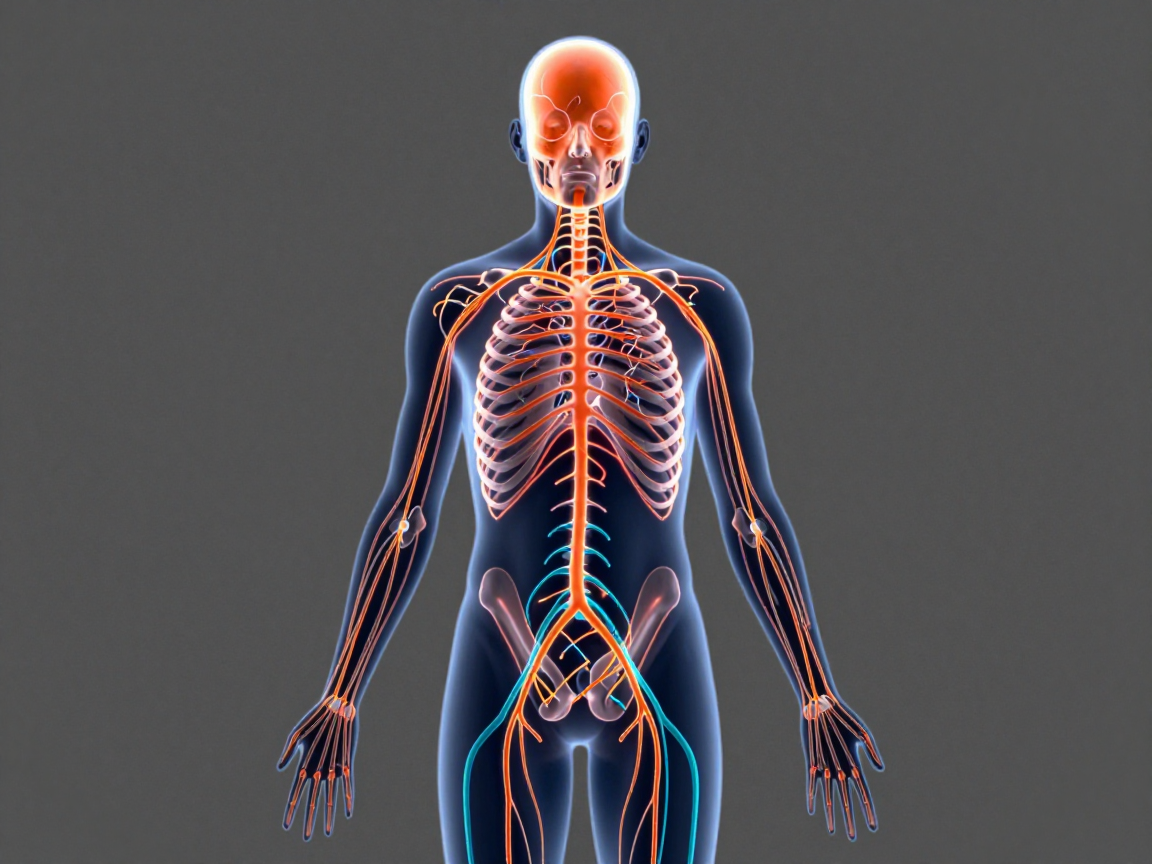
Most of us are familiar with the immediate rush of adrenaline during a high stakes deadline or a sudden scare, but what happens when that rush never truly stops? When pressure becomes a permanent background noise, the relationship between chronic stress and nervous system health begins to shift from a temporary response to a habitual state of being. This state, often described as survival mode, is not just a mental feeling of being overwhelmed; it is a profound physiological recalibration where your body prioritizes immediate survival over long term repair, digestion, and emotional stability.
Living in a state of constant vigilance changes the way your brain communicates with your body. Over time, the biological structures designed to protect you from danger can become overactive, leaving you feeling exhausted yet unable to rest. Understanding the connection between chronic stress and nervous system function is the first step toward moving out of this reactive loop. By identifying how your internal wiring has adapted to pressure, you can begin the deliberate process of teaching your body that it is finally safe to let go of the alert.
The Mechanics of Biology: How Chronic Stress and Nervous System Function Intertwine
To understand why we feel stuck, we have to look at the Autonomic Nervous System (ANS). This system is divided into two main branches: the sympathetic nervous system, which acts as the accelerator or the fight or flight response, and the parasympathetic nervous system, which acts as the brake or the rest and digest state. In a healthy scenario, these two branches dance in a flexible rhythm. You meet a challenge, your sympathetic system ramps up, the challenge passes, and your parasympathetic system brings you back to a baseline of calm.
However, when we experience chronic stress and nervous system overload, this rhythm breaks down. The accelerator becomes stuck to the floor. This is often driven by the HPA axis (Hypothalamic - Pituitary - Adrenal axis), which governs our hormonal response to perceived threats. When the brain perceives a constant stream of stressors - whether they are financial worries, relationship conflicts, or digital overstimulation - it keeps the HPA axis in a state of high output. This results in a continuous flood of cortisol and adrenaline.
Over months or years, this constant flooding leads to what scientists call "allostatic load" . This is the wear and tear on the body that accumulates when an individual is exposed to repeated or chronic stress. The brain actually begins to rewire itself through neuroplasticity, but in a way that favors fear. The amygdala, the brain's alarm center, can become enlarged and hyper - responsive, while the prefrontal cortex, responsible for logic and calm decision - making, can actually lose gray matter. You aren't just "stressed" ; your hardware has been optimized for a crisis that never ends.
Recognizing the Signs of a Dysregulated Nervous System
Because the nervous system touches every organ and process in the body, the symptoms of dysregulation are often diverse and seemingly unrelated. Many people spend years treating individual symptoms - like acid reflux, insomnia, or anxiety - without realizing they all stem from the same root: a compromised state of chronic stress and nervous system fatigue.
When the system is stuck in a sympathetic (fight or flight) or dorsal vagal (shutdown) state, you may notice the following patterns:
- The Tired but Wired Phenomenon: You feel physically exhausted and crave sleep, yet as soon as your head hits the pillow, your mind begins racing or your heart rate remains elevated.
- Digestive Instability: Since digestion is a parasympathetic process, it is often the first thing to go offline. This manifests as bloating, IBS symptoms, or a general feeling of "knots" in the stomach.
- Heightened Startle Response: Small noises, sudden movements, or unexpected emails trigger an outsized physical reaction, such as a gasp or a racing heart.
- Emotional Fragility: You find yourself snapping at loved ones over minor issues or feeling a sense of impending doom without a clear cause.
- Cognitive Fog: Chronic stress impairs the hippocampus, which is vital for memory. You might find it difficult to focus on tasks or remember simple details from your day.
- Chronic Muscle Tension: Specifically in the jaw, neck, and shoulders, as the body prepares itself for physical impact or defense.
If these symptoms resonate, it is a signal that your body has lost its ability to return to the "social engagement" state - a place of safety where the body can perform maintenance and repair.
The 5 - Pillar Framework for Nervous System Restoration
Healing from the effects of chronic stress and nervous system dysregulation requires more than just a vacation or a single massage. It requires a consistent, multi - pronged approach to convince the brain that the environment is safe. This framework is designed to target both the physical and psychological aspects of the stress response.
1. Vagus Nerve Stimulation
The vagus nerve is the primary component of the parasympathetic nervous system. It runs from the brainstem down to the abdomen, touching most major organs. You can manually "tone" this nerve to signal safety to the brain. Simple practices include:
- Cold Exposure: Splashing cold water on your face or taking a 30 - second cold shower at the end of your routine.
- Extended Exhalations: Breathing in for a count of four and out for a count of eight. The long exhale is a physiological switch for the parasympathetic system.
- Gargling or Humming: The vagus nerve passes through the vocal cords; the vibration helps stimulate it.
2. Environmental Anchoring
Your nervous system is constantly scanning your environment for cues of danger or safety. If your workspace is cluttered, your lighting is harsh, and your notifications are buzzing, your brain stays on alert. Create "sanctuary zones" in your home where there are no screens, soft lighting, and textures that feel comforting to the touch. This provides the brain with external evidence that no immediate threat exists.
3. Somatic Experiencing and Movement
Stress is often "trapped" in the body as incomplete motor patterns. If you wanted to run away from a stressor but had to sit still at a desk instead, that energy remains in the muscles. Low - intensity movement like restorative yoga, tai chi, or simply shaking your limbs can help discharge this energy. The goal is not exercise for fitness, but movement for "feeling" .
4. Strategic Boundaries and "No"
Chronic stress is often fueled by an inability to say no. Every time you take on a task you don't have the capacity for, you signal to your nervous system that your own needs are secondary to external demands. This triggers a survival response. Setting boundaries is a physiological necessity for recovery.
5. Nutrition for Resilience
A nervous system under fire burns through nutrients rapidly, particularly magnesium, B vitamins, and vitamin C. Supporting your body with anti - inflammatory foods and staying hydrated prevents the physical stress of malnutrition from adding to your mental load. Reducing caffeine is also crucial, as stimulants mimic the physiological signs of a threat.
Reclaiming the Baseline: The Role of Neuroplasticity
The most encouraging aspect of the relationship between chronic stress and nervous system health is the concept of neuroplasticity. Just as the brain learned to be hyper - vigilant, it can learn to be calm again. This is not an overnight fix, but rather a process of "re - parenting" your internal physiology.
When you consistently apply regulation techniques, you are essentially building new neural pathways. You are telling your amygdala, "I see you are trying to protect me, but I am safe right now" . Over time, the prefrontal cortex regains its dominance, and your heart rate variability (HRV) - a key metric of nervous system health - begins to improve. A higher HRV indicates that your system is flexible and can bounce back from stressors without getting stuck in the red zone.
It is important to approach this journey with self - compassion. Many people feel frustrated that they cannot simply "think" their way out of stress. However, because the stress response starts in the primitive, non - verbal parts of the brain, logic is often insufficient. You cannot argue with a nervous system that feels it is under attack; you must show it safety through physical sensation and consistent habit.
A New Way of Being
Moving through life with a regulated nervous system does not mean you will never experience stress again. It means that when stress does arrive, it is a temporary visitor rather than a permanent resident. You gain the ability to face challenges with a sense of groundedness, knowing that your body has the tools to return to peace.
By prioritizing the health of your chronic stress and nervous system connection, you are doing more than just feeling better in the moment. You are protecting your long term cardiovascular health, your immune function, and your capacity for joy. Start small - perhaps with a single minute of deep breathing or a commitment to turn off your phone an hour before bed. These small acts of safety accumulate, eventually leading to a life lived out of survival mode and into a state of true presence.