Mastering the Celtic Cross Spread: How to Unlock the Full Narrative of Your Tarot Readings
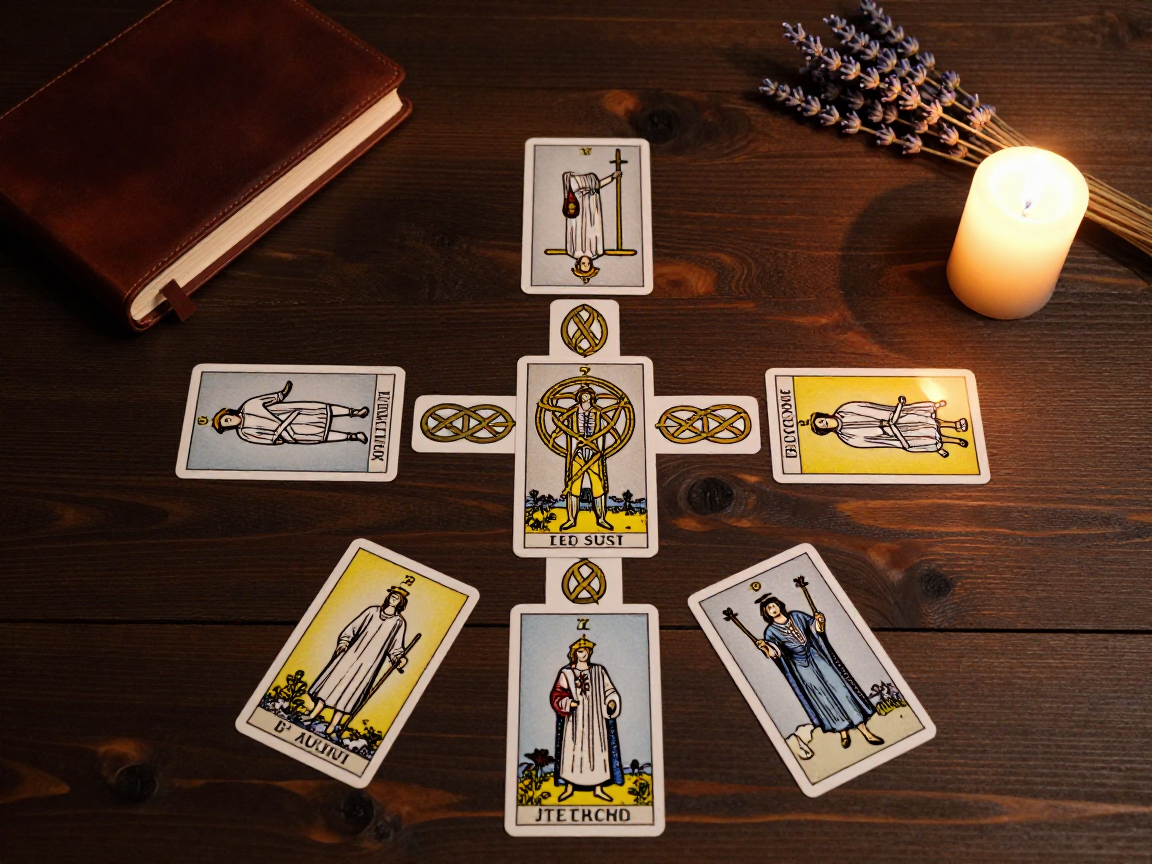
For many tarot enthusiasts, the celtic cross spread represents a significant rite of passage. It is the layout that appears in almost every guidebook and remains the most iconic image of cartomancy in popular culture. Yet, despite its ubiquity, it is also one of the most intimidating spreads to actually use. With ten distinct positions and a complex interplay of internal and external factors, it can feel like trying to read a novel when you are still learning the alphabet.
The beauty of the celtic cross spread lies in its ability to provide a panoramic view of a situation. While a simple three-card pull might give you a snapshot of past, present, and future, the Celtic Cross offers a full architectural blueprint of your current reality. It explores not just what is happening, but why it is happening, what you are ignoring, and how your environment is shaping your destiny. To master this spread is to move beyond simple card definitions and start understanding the deep, interconnected narrative of the tarot.
The Anatomy of the Celtic Cross Spread
To understand the celtic cross spread, you must first understand its structure. It is traditionally divided into two distinct parts: the central cross (representing the core of the issue) and the staff or pillar (representing the external context and the path forward). This division is crucial because it allows the reader to separate the Querent's internal state from the objective reality of their surroundings.
The central cross consists of six cards that form a literal cross on the table. This is where the immediate energy of the reading resides. The staff consists of four cards lined up vertically to the right of the cross. Think of the cross as the heart of the matter and the staff as the road the Querent is walking upon.
The Heart: The Small Cross
Position 1: The Present (The Core) This card represents the Querent's current state of being or the primary theme of the inquiry. It is the foundation upon which everything else is built. If this card is the Three of Swords, the reading is immediately framed by heartbreak or intellectual conflict, regardless of how positive the other cards might be.
Position 2: The Challenge (The Crossing Card) This is the only card laid horizontally, placed directly on top of the first card. It represents the immediate obstacle or the force acting against the Querent. Even if a positive card like The Sun appears here, it can signify an excess of optimism or a lack of grounding that is currently causing a problem. It is the friction that creates the story.
The Foundation and the Atmosphere
Position 3: The Root (The Unconscious) Located below the central cards, this position reveals the underlying factors that led to the current situation. This is often the "why" behind the reading. It deals with childhood patterns, karmic debts, or deeply buried emotions that the Querent may not be consciously acknowledging.
Position 4: The Recent Past (The Behind) Placed to the left of the center, this card shows the energy that is currently fading away. It provides context for how the Querent arrived at the present moment. If this card is strong and stable, like the King of Pentacles, it suggests the current chaos is temporary and built on a solid history.
Position 5: The Crown (The Conscious) Located above the center, this represents the Querent's goals, thoughts, and what they are consciously aiming for. It shows the best potential outcome they can imagine for themselves. Often, there is a tension between the Root (what is actually happening deep down) and the Crown (what they think they want).
Position 6: The Near Future (The Before) Placed to the right of the center, this card indicates what is just over the horizon. It is not the final destination, but the next immediate step in the journey. It gives the Querent a sense of the momentum they are currently carrying.
The Staff: The Path to Resolution
While the cross deals with the "here and now", the staff provides the necessary perspective to make sense of it all. It acts as a bridge between the internal struggle and the external world.
Position 7: The Self (Internal Influence) This card represents how the Querent perceives themselves in relation to the problem. It is their attitude, their emotional state, and their level of confidence. If the cards in the cross are difficult, but the Self card is the Nine of Wands, it shows a person who is resilient and ready to fight.
Position 8: The Environment (External Influence) No one exists in a vacuum. This position reflects the people, places, and societal forces that are affecting the situation. It could represent a demanding boss, a supportive family, or a restrictive social climate. It tells us whether the environment is helping or hindering the Querent's progress.
Position 9: Hopes and Fears This is often the most psychological card in the celtic cross spread. It reveals the Querent's expectations. Sometimes we fear what we most desire, or we hope for something that isn't actually good for us. This card provides the emotional color for the final outcome.
Position 10: The Ultimate Outcome This is the final destination if the current trajectory remains unchanged. It is important to remember that tarot is not a fixed destiny but a map of current probabilities. If the outcome is undesirable, the preceding nine cards provide the clues on how to change course.
A Step-by-Step Framework for Reading the Celtic Cross
Reading ten cards at once can lead to mental fatigue. Instead of trying to interpret every card in isolation, use this framework to synthesize the celtic cross spread into a cohesive narrative.
- Look for the Dominant Suit: Before reading the individual positions, scan the entire spread. Are there many Cups? The issue is deeply emotional. Many Swords? It is a conflict of the mind or communication. A majority of Major Arcana cards suggests a major life lesson or a situation dictated by fate rather than personal choice.
- Compare the Root and the Crown: Look at Position 3 and Position 5. Is the Querent's conscious mind in alignment with their unconscious truth? If the Root is the Moon and the Crown is the Ace of Swords, they are trying to be logical about a situation that is actually driven by deep-seated anxiety or intuition.
- Analyze the Conflict (1 and 2): Spend extra time on the first two cards. The interaction between the core and the challenge sets the tone for the entire reading. Ask yourself: "How is the crossing card preventing the first card from reaching its full potential?"
- Connect the Past to the Future (4 and 6): Draw a horizontal line through the cross. How does the energy transition from what was to what will be? Is there a sense of growth, or is the Querent repeating the same mistakes?
- Check the Internal/External Balance (7 and 8): If Position 7 (Self) is strong but Position 8 (Environment) is weak or hostile, the Querent has the internal strength to overcome their surroundings. If it is the other way around, they may be relying too much on others and need to find their own power.
Why Your Celtic Cross Readings Feel "Muddy"
One common frustration with the celtic cross spread is that it can feel contradictory. You might have the Ten of Cups in your Hopes and Fears but the Five of Pentacles in the Outcome. This doesn't mean the reading is "wrong"; it means the situation is nuanced.
Readings feel muddy when we fail to see the cards as a conversation. If you see a contradiction, ask the cards: "What is the bridge between these two energies?" Often, the celtic cross spread is highlighting a specific tension that the Querent needs to resolve. For example, fearing success or being in an environment that doesn't support one's highest goals.
Another reason for confusion is ignoring the "crossing" nature of Position 2. Many readers treat it as just another card, but its horizontal placement is symbolic. It is literally an obstacle. Even if you pull a traditionally "good" card like the Ten of Pentacles, in this position, it might represent being trapped by financial security or being overly burdened by family expectations.
Practical Tips for Success with the Celtic Cross
To get the most out of this intensive layout, consider these practical approaches:
- Use a Signifier: Some readers like to choose a card to represent the Querent (often based on their zodiac sign or personality) and place it underneath Position 1. This can help ground the reading in the person's specific energy.
- Journal the Connections: Because of the complexity, it is helpful to write down the pairs. Note the relationship between Position 1 and 10, or Position 5 and 9. These "hidden" connections often hold the most profound insights.
- Don't Rush the Staff: Many people get exhausted by the time they reach the vertical cards. However, the staff is where the actionable advice often lives. Position 7 and 8 are essential for understanding why a person feels stuck.
- Avoid Yes/No Questions: The celtic cross spread is designed for "how" and "why". If you want a simple yes or no, use a one-card or three-card pull. The Celtic Cross is for when you need to understand the soul's journey through a specific set of circumstances.
Conclusion
The celtic cross spread is more than just a technique; it is a philosophy of reading. It assumes that our lives are a complex tapestry of internal desires, past experiences, and external pressures. By taking the time to learn this layout, you are not just learning where to put the cards - you are learning how to see the patterns in the chaos of life.
When you approach the Celtic Cross with respect and patience, it ceases to be a confusing jumble of symbols and becomes a clear, resonant voice. It challenges you to look deeper, to acknowledge your shadows, and to recognize the power you have to shape your own future. Whether you are reading for yourself or for someone else, this spread remains the ultimate tool for those seeking clarity in the middle of life's most difficult transitions.