Mastering Your Inner State: A Comprehensive Guide to Breath Meditation Techniques for Modern Stress
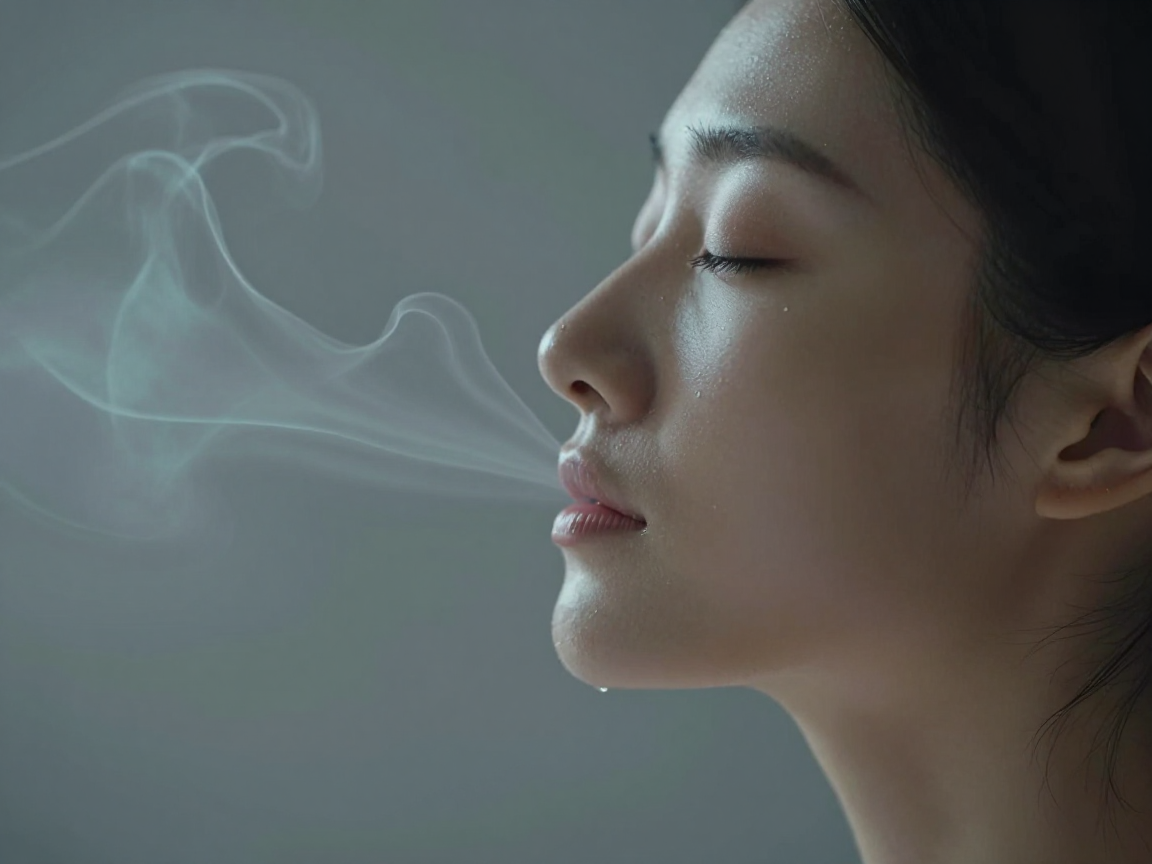
In the frantic pace of the digital age, our attention is often scattered across a dozen browser tabs, a constant stream of notifications, and the lingering weight of future obligations. This perpetual state of high alert keeps the body locked in a sympathetic nervous system response - the famous fight or flight mode. Most of us go through our entire day taking shallow, unconscious breaths that signal to our brain that we are in a state of mild emergency. We feel drained, anxious, and reactive, yet the most powerful tool for resetting this system is something we carry with us every second of our lives.
Breath meditation techniques are not just spiritual rituals; they are physiological interventions. By consciously altering the rhythm, depth, and pace of your inhalation and exhalation, you can directly influence the vagus nerve, the longest nerve of the autonomic nervous system. This allows you to manually flip the switch from stress to rest. Learning to master these techniques provides a portable sanctuary, an internal anchor that remains steady regardless of how chaotic the external world becomes. Whether you are looking to sharpen your focus for a deep work session or find a sense of peace before sleep, understanding the mechanics of your breath is the first step toward reclaiming your mental sovereignty.
The Science of Why Breath Meditation Works
To appreciate the efficacy of breath meditation techniques, it helps to understand what is happening under the hood. Our breathing is unique because it is both an involuntary and a voluntary process. You do not have to think about breathing to stay alive, yet you can choose to hold your breath or change its pace at any moment. This makes the breath a bridge between the conscious and the unconscious mind.
When we experience stress, our breathing becomes rapid and shallow, localized in the upper chest. This type of breathing reinforces the production of cortisol and adrenaline. Conversely, when we utilize deep, diaphragmatic breath meditation techniques, we stimulate the vagus nerve. This stimulation triggers the release of acetylcholine, a neurotransmitter that tells the heart to slow down and the muscles to relax. By simply changing the way you breathe, you are sending a chemical message to your brain that says, "You are safe". This physiological shift is the foundation upon which mental clarity and emotional resilience are built.
Setting the Foundation for Your Practice
Before diving into specific breath meditation techniques, it is essential to establish a supportive environment and posture. While you can breathe mindfully anywhere - in a boardroom or on a subway - a dedicated practice is best built on a stable foundation.
- Find Your Seat: You do not need to sit in a complex lotus position. A chair where your feet can rest flat on the floor or a firm cushion on the ground is sufficient. The goal is to be "upright but not uptight".
- Align the Spine: Imagine a string pulling the crown of your head toward the ceiling. A straight spine allows the diaphragm to move freely and prevents the lungs from being compressed.
- Relax the Jaw and Shoulders: We hold an immense amount of tension in these areas. Soften your gaze or close your eyes, and let your shoulders drop away from your ears.
- The Nose is for Breathing: Unless otherwise specified, most breath meditation techniques encourage inhaling and exhaling through the nose. The nose filters, warms, and humidifies the air, and nasal breathing is more closely linked to the activation of the parasympathetic nervous system.
4 Powerful Breath Meditation Techniques to Try
Each of these techniques serves a slightly different purpose. Some are designed to energize the mind, while others are geared toward deep relaxation and the cessation of racing thoughts. Experiment with each to see which resonates most with your current needs.
1. Anapanasati (Mindful Awareness of Breath)
This is the most traditional form of breath meditation, rooted in Buddhist practice. It is less about "doing" something to the breath and more about observing it as it is. It builds the "muscle" of attention.
- Direct your focus to the tip of your nose or the area just above your upper lip.
- Feel the cool air entering on the inhale and the slightly warmer air leaving on the exhale.
- Do not try to change the breath. If it is shallow, let it be shallow. If it is deep, let it be deep.
- When your mind wanders - and it will - gently note the thought and return your focus to the physical sensation of the breath.
2. Box Breathing (Square Breathing)
Used by elite athletes and special forces, this is one of the most effective breath meditation techniques for tactical calm. It creates a structured rhythm that forces the nervous system into a state of equilibrium.
- Inhale slowly for a count of 4.
- Hold your breath at the top for a count of 4.
- Exhale smoothly through your nose for a count of 4.
- Hold your breath at the bottom (empty) for a count of 4.
- Repeat this cycle for 5 to 10 minutes.
3. The 4-7-8 Technique
Popularized by Dr. Andrew Weil, this technique is often referred to as a "natural tranquilizer for the nervous system". It is particularly effective for those struggling with insomnia or acute anxiety.
- Place the tip of your tongue against the ridge of tissue just behind your upper front teeth.
- Exhale completely through your mouth, making a "whoosh" sound.
- Close your mouth and inhale quietly through your nose to a count of 4.
- Hold your breath for a count of 7.
- Exhale completely through your mouth, making a whoosh sound to a count of 8.
- This specific ratio is designed to maximize oxygen intake and CO2 removal, forcing the body into a state of deep relaxation.
4. Nadi Shodhana (Alternate Nostril Breathing)
This technique comes from the Yogic tradition of Pranayama. It is designed to balance the left and right hemispheres of the brain, creating a sense of centeredness and mental clarity.
- Use your right thumb to close your right nostril.
- Inhale deeply through your left nostril.
- At the peak of the inhale, close the left nostril with your ring finger and release the right nostril.
- Exhale through the right nostril.
- Inhale through the right nostril, then switch back to exhale through the left.
- Continue alternating for several minutes to harmonize your internal energy.
Navigating Common Obstacles in Breathwork
Many people start practicing breath meditation techniques only to give up after a few days because they feel they are "doing it wrong". The most common complaint is that the mind is too loud or the breath feels forced. It is important to remember that the goal of meditation is not to stop thinking; it is to change your relationship with your thoughts.
When you notice your mind drifting toward your to - do list or a conversation from three years ago, that moment of noticing is the meditation. That is the "win". Each time you return to the breath, you are strengthening your cognitive control.
Another common hurdle is physical discomfort. If you feel dizzy, you may be over-breathing or trying too hard. If you feel lightheaded, return to a natural, unforced breath for a moment. Breathwork should feel like an exploration, not a chore. The more you approach it with an attitude of curiosity rather than a desire for a specific result, the more benefits you will derive.
Your 7-Day Breathwork Implementation Framework
To turn these breath meditation techniques into a lasting habit, consistency is more important than duration. Use the following framework to integrate breathwork into your life over the next week.
- Day 1-2: The Awareness Phase: Set a timer for 5 minutes twice a day. Use the Anapanasati technique. Do not judge your thoughts - simply observe the air moving in and out.
- Day 3: The Reset Phase: Today, introduce Box Breathing. Use it specifically when you feel a spike in stress - such as before a difficult meeting or while stuck in traffic.
- Day 4: The Deep Dive: Practice the 4-7-8 technique for four cycles right before bed. Notice how it affects the speed at which you fall asleep.
- Day 5: The Balance Phase: Try Nadi Shodhana in the afternoon when you usually hit a "slump". Observe if it provides a clearer sense of focus than a cup of coffee.
- Day 6: The Combination: Spend 10 minutes total. Start with 3 minutes of Box Breathing to steady the system, followed by 7 minutes of Mindful Awareness (Anapanasati).
- Day 7: The Reflection: Choose the technique that felt most effective for you and practice it for 15 minutes. Reflect on how your overall stress levels have shifted over the week.
Summary of Benefits for the Mind and Body
- Immediate Stress Reduction: Lowering the heart rate and blood pressure through vagal stimulation.
- Improved Focus: Training the brain to return to a single point of focus, reducing "monkey mind".
- Emotional Regulation: Creating a "gap" between a stimulus and your response, allowing you to choose how to react.
- Enhanced Sleep Quality: Calming the nervous system to prepare the body for deep, restorative rest.
- Better Digestion: Moving the body into the "rest and digest" state, which is essential for nutrient absorption.
Conclusion: The Breath as a Lifelong Companion
Mastering various breath meditation techniques is one of the most practical skills you can develop for your well-being. It requires no special equipment, no subscription fees, and no specific location. It is a radical act of self-care that acknowledges that while we cannot always control the world around us, we can always control the way we respond to it.
As you continue to practice, you will likely find that the benefits of breathwork spill over into your everyday life. You may find yourself breathing deeper while walking the dog, or instinctively taking a long, slow exhale when someone cuts you off in traffic. This is the goal - not just to meditate for ten minutes a day, but to become a more mindful, regulated human being. Your breath is your most loyal companion; it has been with you since the moment you were born, and it is always ready to guide you back to center. All you have to do is pay attention!