Why Your Body Remembers What Your Mind Wants to Forget: A Comprehensive Guide to Body Memory Trauma
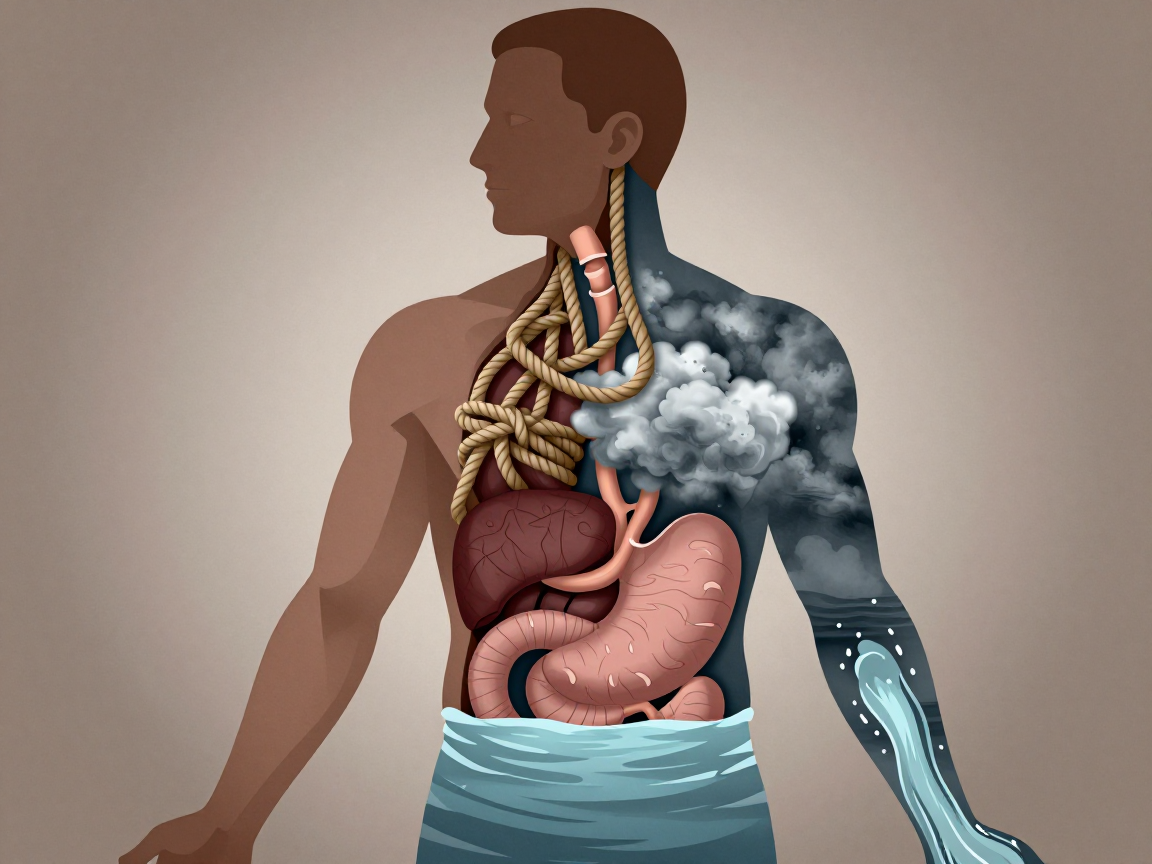
We often think of memory as a mental filing cabinet—a collection of stories, dates, and images we can pull out and examine at will. However, for anyone who has ever felt their heart race in a familiar hallway, experienced a sudden wave of nausea without a clear trigger, or felt a localized ache that medical tests cannot explain, it becomes obvious that the mind is not the only thing that remembers. The physical self has its own sophisticated recording system, often referred to as body memory trauma. This phenomenon occurs when the nervous system and tissues retain the physiological imprint of a distressing event, even if the conscious mind has suppressed the narrative details.
Living with body memory trauma can feel like being haunted by a ghost that has no name. You might find yourself in a state of high alert, struggling with chronic tension, or feeling inexplicably exhausted despite getting enough sleep. This isn't a sign of weakness or a lack of mental fortitude; it is a biological response designed for survival. When a traumatic event occurs, the body's priority is to endure the moment. If the energy generated for fight or flight isn't fully discharged or processed, it becomes "stuck" in the body's architecture. To truly heal, we must move beyond just talking about our past and start listening to the signals our bodies are sending in the present.
The Science of Implicit Memory and Body Memory Trauma
To understand why body memory trauma exists, we have to look at how the brain processes information under extreme stress. Under normal circumstances, the hippocampus acts as the brain's librarian, tagging memories with a time, date, and context before filing them away in long-term storage. This is called explicit memory. However, during a traumatic event, high levels of stress hormones (like cortisol and adrenaline) can effectively take the hippocampus offline.
While the librarian is away, the amygdala—the brain's alarm system—remains highly active. It records the sensory details of the event: the smell of the room, the specific tone of a voice, the temperature of the air, or the way the light hit the floor. These sensory snapshots are stored as implicit memories. Unlike explicit memories, which feel like a story from the past, implicit memories feel like they are happening right now. This is the foundation of body memory trauma. Your muscles, your breath, and your viscera respond to these old triggers as if the danger is still present, long after the environment has become safe.
Research in neurobiology, particularly the Polyvagal Theory developed by Dr. Stephen Porges, suggests that these memories are encoded in the procedural memory systems of the brain and the autonomic nervous system. This is why you can logically know you are safe while your body is screaming that you are in danger. The cognitive brain (the prefrontal cortex) cannot simply "argue" the survival brain (the brainstem) out of its protective stance. Healing requires a bottom-up approach that addresses the physiological sensations first.
Common Signs Your Body Is Holding onto the Past
Recognizing body memory trauma is the first step toward resolution. Because these memories are not stored as words, they often manifest as physical symptoms or behavioral patterns that seem to come out of nowhere. If you find yourself experiencing these signs, your body may be trying to communicate an unresolved experience:
- Unexplained Chronic Tension: Persistent tightness in the jaw (TMJ), neck, shoulders, or psoas muscles that does not respond to regular stretching or massage.
- Hypervigilance: A constant state of "scanning" the environment for threats, often accompanied by an exaggerated startle response to loud noises or sudden movements.
- Digestive Disturbance: The gut is often called the "second brain" and is highly sensitive to stored trauma, manifesting as IBS, bloating, or chronic nausea that fluctuates with stress levels.
- Phantom Sensations: Feeling physical pain, coldness, or pressure in specific areas of the body that have no clear medical cause or injury history.
- Emotional Dysregulation: Sudden outbursts of anger, bouts of weeping, or a sense of "numbness" or dissociation that occurs without a clear external trigger.
- Avoidance of Physical Contact: A reflexive flinch or discomfort when being touched, even by people you trust, indicating a protective boundary response.
- Body Flashbacks: Re-experiencing the physical sensations of a past event (such as the feeling of being trapped or a racing heart) without necessarily seeing the visual memory of the event itself.
The Role of Fascia and the Psoas in Stored Trauma
Recent developments in somatic experiencing have highlighted the role of fascia—the connective tissue that wraps around every muscle and organ—in body memory trauma. Fascia is not just a structural wrap; it is a fluid-based communication system. When we experience trauma, the fascia can tighten and "lock" into place to protect the internal organs. Over time, this tightness becomes a chronic holding pattern.
Similarly, the psoas muscle, which connects the upper and lower body, is often called the "muscle of the soul." It is the primary muscle involved in the fetal position and the flight-or-fight response. When we are threatened, the psoas contracts to prepare us to run or curl up. If the threat is never resolved, the psoas remains partially contracted for years. This keeps the nervous system in a state of low-level sympathetic arousal, reinforcing the cycle of body memory trauma. Learning to release the psoas is often a key component of somatic healing.
Why Traditional Talk Therapy Often Falls Short
For decades, the gold standard for treating trauma was talk therapy. While expressing one's story can be immensely helpful for making sense of the past, it often stops at the neck. If the body memory trauma is deeply rooted in the nervous system, talking about it can sometimes even be counterproductive. Reliving the story verbally can re-trigger the amygdala, causing the individual to experience a full-blown stress response without having the tools to calm the physical sensations.
This is why somatic (body-based) approaches have gained such prominence in recent years. By focusing on the "felt sense" rather than the narrative, these methods allow the individual to process the physiological charge of the memory. When we engage the body, we are speaking the language that the survival brain understands. We aren't just discussing the trauma; we are teaching the nervous system how to return to a state of safety and regulation. This shift from "top-down" (thinking) to "bottom-up" (feeling) is often the missing piece in long-term recovery.
The S.T.E.P. Framework for Navigating Body Memories
When a body memory arises, it can feel overwhelming and disorienting. Using a structured framework can help you navigate these moments without becoming flooded by the intensity. The S.T.E.P. method is a four-stage process designed to move you from reaction to regulation.
- Settle and Scan: The moment you feel a surge of unexplained physical sensation, stop what you are doing. Take a slow breath. Scan your body and simply name what you feel. Is it heat? Is it a "tightness in the chest"? Use descriptive, non-judgmental words. Avoid asking "why" the feeling is there; just acknowledge that it is there.
- Trace the Sensation: Instead of trying to fix or suppress the feeling, simply observe it. Does it have a shape? Does it move? Does it have a color or a temperature? By becoming an objective observer of the sensation, you create a small amount of distance between "you" and the "body memory trauma."
- Engage a Resource: Find a physical sensation that feels neutral or pleasant. This might be the feeling of your feet firmly planted on the floor, the texture of the fabric of your clothing, or the warmth of your own hands. Toggle your attention back and forth between the uncomfortable sensation and the neutral one. This is a technique called pendulation, which prevents the nervous system from becoming overwhelmed.
- Process through Movement: Allow your body to complete any movement it feels like it needs to do. If your shoulders are hunched, perhaps you need to slowly roll them. If you feel a surge of energy, maybe you need to shake your hands or push your palms against a wall. This helps discharge the "stuck" survival energy that was never allowed to finish its cycle during the original event.
Five Somatic Strategies for Releasing Body Memory Trauma
Healing is not about a single "breakthrough" but rather a series of small, consistent shifts in how you relate to your physical self. Incorporating these strategies into your daily life can help slowly unwind the patterns of body memory trauma.
1. The Art of Therapeutic Shaking
In the wild, animals that survive a predator attack will often shake their entire bodies immediately afterward. This is a biological mechanism to discharge the adrenaline and cortisol of the stress response. Humans often suppress this natural reflex due to social conditioning. Experiment with "therapeutic shaking" for two to three minutes when you feel stressed. Let your arms, legs, and torso move freely to signal to your nervous system that the "hunt" is over and it is safe to relax.
2. Deep Pressure and Proprioception
Body memory trauma can make you feel "floaty," dissociated, or disconnected from your physical boundaries. Using a weighted blanket, receiving a firm hug from a trusted loved one, or even doing "wall pushes" (pushing as hard as you can against a wall) can help ground you. The pressure provides intense input to the proprioceptive system, telling the brain exactly where the body begins and ends, which enhances the feeling of safety and presence.
3. Vagus Nerve Toning
The vagus nerve is the primary highway of the parasympathetic nervous system, reaching from the brainstem to the colon. You can tone this nerve to help shift your body out of a trauma state. Simple activities like humming, gargling water, or splashing cold water on your face can stimulate the vagus nerve. These actions encourage a "rest and digest" state, counteracting the "freeze" or "flight" response associated with body memory trauma.
4. Titration and Slowing Down
One of the biggest mistakes in healing is trying to do too much at once. Titration is the process of experiencing small "drops" of the trauma at a time. If a sensation feels like a 10 out of 10 in intensity, don't focus on it directly. Work with the sensations that feel like a 2 or 3. Slowing down your physical movements and your speech also signals to the brain that there is no immediate emergency, allowing the nervous system to recalibrate.
5. Mindful Self-Touch and Containment
Sometimes, placing one hand on your heart and the other on your belly can provide a sense of containment. This isn't just symbolic; it uses the skin—our largest sensory organ—to communicate comfort directly to the brain. Ask yourself, "What does this part of my body need right now?" and see if a gentle, supportive touch provides any relief. This builds a new relationship of trust between your conscious mind and your physical body.
The Path to Integration and Wholeness
Healing from body memory trauma is rarely a linear process. There will be days when you feel fully present and grounded, and other days when an old sensation returns with surprising intensity. The goal of this work is not to erase the past, but to ensure that the past no longer dictates your physiological state in the present. As you learn to listen to your body, the "ghosts" of old trauma begin to lose their power.
You are essentially rewriting your body's internal map. By providing your nervous system with new, repeated experiences of safety, connection, and regulation, you create a foundation for a different kind of future. It takes patience and a significant amount of self-compassion to sit with these sensations. However, as the body begins to trust that the "war" is over, it can finally let go of its defensive posture. You aren't just recovering your health; you are recovering your life. Through somatic awareness, you move from surviving in a body that feels like a prison to thriving in a body that feels like home.