The Roots of Resilience: Why Ancestral Medicine is the Missing Link in Modern Healing
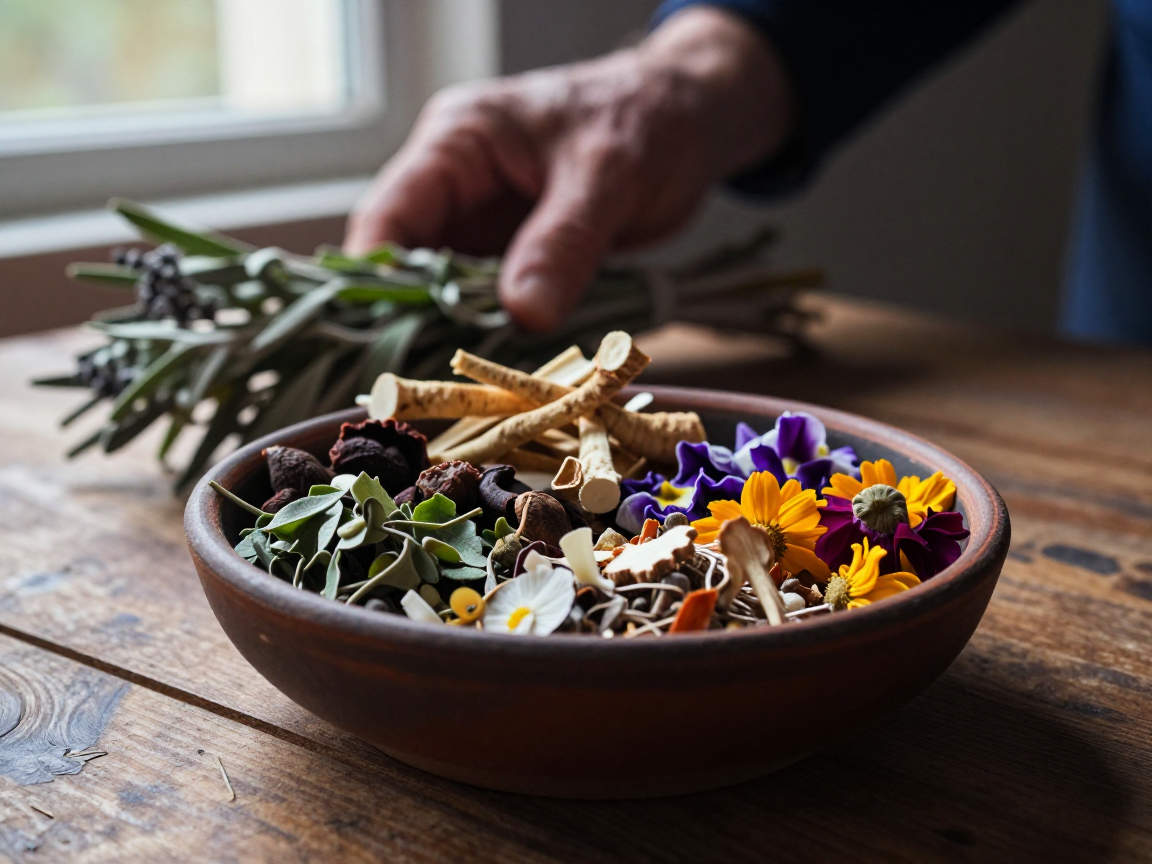
In our fast-paced, digital world, we are more connected to information than ever before, yet many of us feel a profound sense of disconnection from our own bodies and the natural world. We treat symptoms as isolated glitches in a machine, reaching for a pill to silence the discomfort without ever asking why the alarm was sounding in the first place. This fragmented approach to health often leaves us feeling drained, anxious, and stuck in a cycle of temporary fixes. We are beginning to realize that something vital has been lost in the name of progress.
This realization is driving a global resurgence of interest in ancestral medicine. Far from being a collection of outdated superstitions, ancestral medicine is a sophisticated, holistic framework for living that emphasizes the interconnectedness of the individual, the community, and the earth. It is the cumulative wisdom of thousands of generations who lived in close relationship with their environment, observing the rhythms of the seasons and the healing properties of the plants around them. By looking back, we are finding the tools we need to move forward into a more balanced and resilient future.
Defining Ancestral Medicine in a Modern Context
To understand ancestral medicine, we must first broaden our definition of what medicine actually is. In the modern West, medicine is often synonymous with pharmaceuticals and surgery. While these are invaluable tools for acute care, they represent only a small fraction of the healing spectrum. Ancestral medicine encompasses everything that sustains life and promotes vitality. It is the food we eat, the way we move, the stories we tell, the rituals we perform, and the relationship we maintain with our lineage.
At its core, ancestral medicine is based on the principle of bio-individuality and environmental harmony. It recognizes that our bodies are not separate from the ecosystems we inhabit. Traditional healing systems - whether they are rooted in Ayurvedic, Traditional Chinese Medicine, Indigenous American, African, or Celtic traditions - share a common understanding: health is a state of dynamic balance. When that balance is disrupted by stress, poor nutrition, or emotional trauma, illness follows. The goal of the practitioner is not just to suppress the symptom but to restore the equilibrium of the whole person.
This approach is inherently personal. It invites us to investigate our own specific heritage and the land our ancestors walked upon. What did they eat? How did they manage stress? Which plants were their primary allies? By answering these questions, we begin to uncover a personalized map for wellness that is literally written into our genetic code.
The Science of Heritage: Epigenetics and Cellular Memory
While ancestral medicine might sound esoteric to some, modern science is increasingly providing a biological basis for its efficacy. The field of epigenetics has revolutionized our understanding of how environment and lifestyle influence gene expression. We now know that the experiences of our ancestors - their diets, their environments, and even their traumas - can leave chemical marks on our DNA that are passed down through generations. This is often referred to as cellular memory.
If our ancestors experienced prolonged periods of famine, our bodies might be genetically predisposed to store fat more efficiently. If they lived through intense collective trauma, our nervous systems might be more sensitive to stress. Ancestral medicine seeks to address these deep-seated patterns. By engaging in practices that our lineages have used for millennia, we can effectively signal to our genes that we are safe, nourished, and supported.
Healing is not just an individual act; it is a generational one. When we engage with ancestral medicine, we are not just healing our own bodies; we are beginning to resolve the lingering imbalances of those who came before us and ensuring a healthier foundation for those who will follow. It is a process of reclaiming our biological birthright.
The Three Pillars of Ancestral Wellness
Integrating ancestral wisdom into a modern lifestyle does not require us to abandon the benefits of contemporary science. Instead, it offers a way to ground ourselves. We can think of the application of ancestral medicine as resting on three primary pillars: Nourishment, Connection, and Ritual.
Pillar 1: Ancestral Nourishment
Modern nutrition often focuses on macronutrients and calorie counting, but ancestral medicine looks at the vitality and source of the food. Every culture has its "power foods" - traditional preparations that maximize nutrient density and digestibility. This includes fermented foods for gut health, bone broths for structural integrity, and seasonal produce that aligns with the body's changing needs throughout the year. Eating ancestrally means moving away from processed, shelf-stable products and returning to whole, local foods that our great-grandparents would recognize.
Pillar 2: Deep Connection
Our ancestors lived in tight-knit communal structures where social isolation was a rarity. Today, loneliness is a major driver of chronic illness. Ancestral medicine emphasizes the healing power of community and our connection to the more - than - human world. This involves spending time in nature, understanding the local flora and fauna, and fostering meaningful relationships with our elders and our youth. It is about remembering that we belong to a larger web of life.
Pillar 3: Rhythms and Rituals
Before electricity, human life was governed by the rising and setting of the sun and the changing of the seasons. Our bodies still crave these natural cycles. Ancestral medicine utilizes rituals to mark transitions - the change of a season, the beginning of a day, or the processing of a loss. These practices help regulate the nervous system and provide a sense of meaning and continuity. Simple acts, like watching the sunrise or lighting a candle at dusk, can be powerful forms of medicine.
How to Begin Your Ancestral Medicine Practice
You do not need to be an expert in botany or history to start incorporating these principles into your life. The journey toward ancestral medicine is one of curiosity and intuition. It is a slow unfolding rather than a quick transformation.
- Research Your Lineage: Start by talking to your oldest living relatives. Ask about the foods they ate as children, the home remedies their parents used, and the stories passed down through the family. If you don't have access to family history, research the traditional practices of the regions your ancestors originated from.
- Identify Your Plant Allies: Every region has native plants that have been used for healing for centuries. Identify three plants that are native to your ancestral lands or the land where you currently live. Learn their names, their history, and their traditional uses. Even a simple cup of chamomile or nettle tea can be a point of connection.
- Align with the Seasons: Notice how your energy, appetite, and mood shift throughout the year. Practice seasonal living by eating what is currently in harvest and adjusting your activity levels to match the light cycles. This helps synchronize your internal clock with the external environment.
- Create a Simple Daily Ritual: Choose one small action that honors your heritage or your connection to the earth. This could be a morning grounding practice (walking barefoot on the grass), a traditional prayer, or simply taking a moment to acknowledge your ancestors before a meal.
- Audit Your Environment: Look at your home and workspace through an ancestral lens. How much natural light do you get? Are you surrounded by synthetic materials or natural ones? Small shifts toward a more "ancestral" environment can significantly reduce the silent stressors on your body.
Navigating Ethics and Cultural Appreciation
As we explore ancestral medicine, it is crucial to move with respect and integrity. This is especially important when we engage with traditions that are not our own. Cultural appropriation occurs when elements of a marginalized culture are used by a dominant culture without permission, credit, or understanding of the original context.
To practice ancestral medicine ethically, focus first on your own bloodlines. There is a deep well of wisdom in every lineage, including European, Asian, African, and Indigenous traditions. If you are drawn to the practices of a culture not your own, do so as a student and an ally. Support indigenous - led organizations, buy from traditional practitioners, and always acknowledge the source of the wisdom you are using. True healing cannot happen at the expense of another's culture or land.
Furthermore, sourcing is a key component of ancestral ethics. The plants we use as medicine must be harvested sustainably. Over-harvesting of popular "superfoods" or sacred plants like white sage and sandalwood threatens biodiversity and the communities that rely on them. Part of ancestral medicine is becoming a steward of the earth, ensuring that these healing resources are available for the generations to come.
The Future is Ancient
The path of ancestral medicine is not about living in the past; it is about bringing the best of the past into the present to create a more sustainable future. By reclaiming these traditional ways of knowing, we gain a sense of agency over our own health. We stop being passive consumers of wellness and start being active participants in our own vitality.
When we sit with the plants, honor the seasons, and acknowledge our roots, we begin to feel a different kind of strength - a resilience that is not forced but grown. We realize that we are never truly alone in our struggles; we are backed by a long line of survivors who found ways to thrive in a complex world. That realization is perhaps the most potent "ancestral medicine" of all.