The Lost Art of Inner Dialogue: How Active Imagination (Jung) Unlocks the Power of Your Unconscious
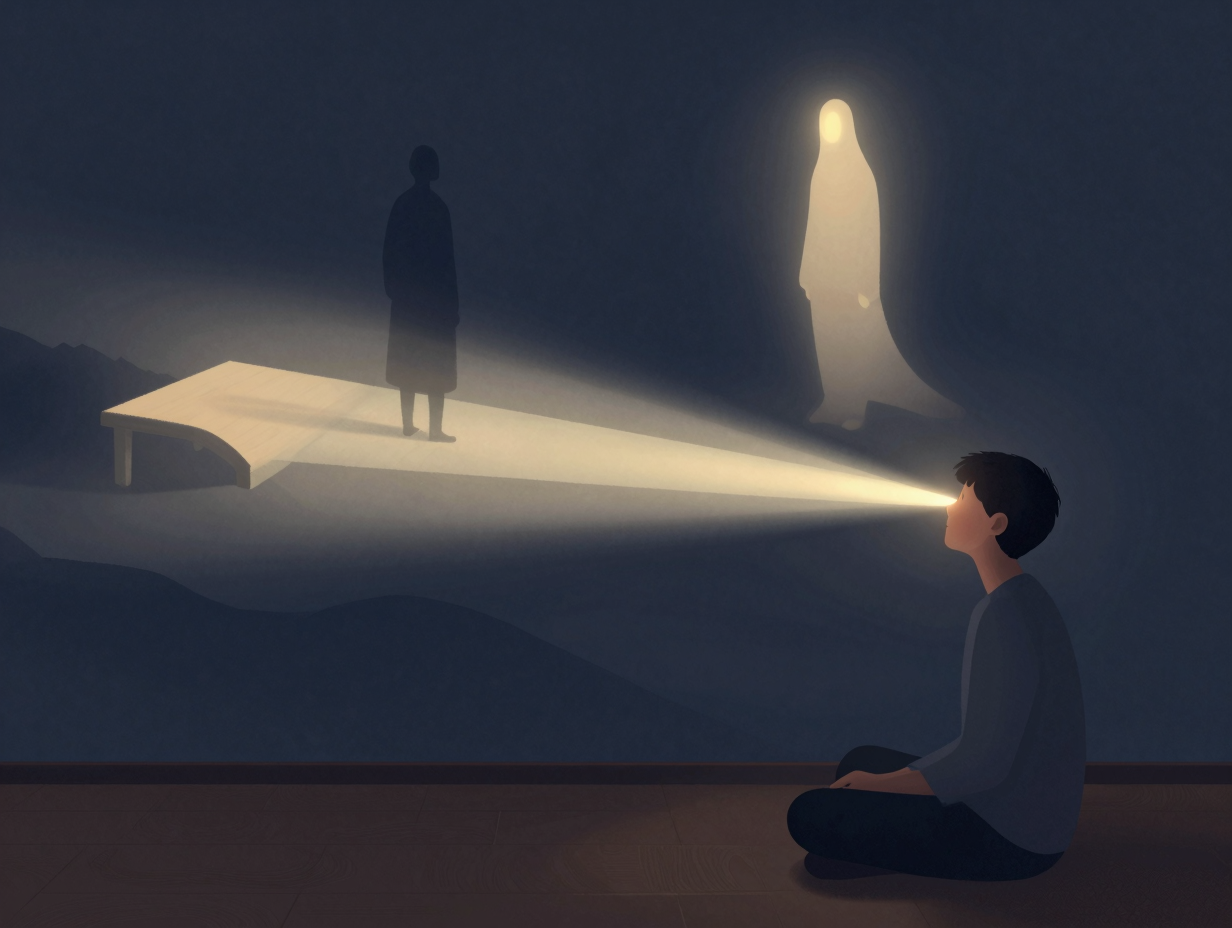
In the modern world, we are constantly bombarded by external stimuli. From the persistent ping of notifications to the relentless demands of our professional lives, our attention is almost exclusively directed outward. Yet, beneath the surface of our conscious awareness lies a vast, uncharted territory - what Swiss psychiatrist Carl Jung called the unconscious. Many of us only encounter this realm through the fragmented, often confusing imagery of our dreams. But Jung believed that we do not have to wait for the sun to go down to engage with our deeper selves. He developed a potent method for intentional, conscious engagement with the psyche known as active imagination (jung).
Active imagination (jung) is not merely a form of daydreaming or a creative exercise in fantasy. It is a structured, disciplined process of bridge-building between the ego - the part of you that says I - and the various autonomous figures, archetypes, and complexes that inhabit the unconscious mind. By entering into a conscious dialogue with these inner forces, we can resolve psychological conflicts, unlock creative potential, and move toward what Jung termed individuation: the process of becoming the most whole and authentic version of ourselves. This practice requires courage, as it demands that we face the parts of ourselves we have ignored, suppressed, or feared, but the rewards are often life-changing.
Understanding the Core of Active Imagination (Jung)
To understand active imagination (jung), one must first understand Jung's view of the psyche. He did not see the unconscious as a simple basement where we store repressed memories. Instead, he viewed it as a dynamic, living world populated by various personalities or energies. When these energies are ignored, they often manifest as symptoms: anxiety, depression, creative blocks, or self-sabotaging patterns. Jung realized that if we could talk to these parts of ourselves while we were still awake and conscious, we could transform our relationship with them.
Unlike passive dreaming, where the ego is a helpless observer of a theater production, active imagination (jung) requires the ego to be a participant. You are not just watching a movie; you are stepping onto the stage. You interact with the figures that appear, you ask them questions, and most importantly, you listen to their responses. This interaction creates a synthesis between the conscious and the unconscious, allowing new insights to emerge that neither side could have produced alone.
The Four Stages of Active Imagination (Jung)
Jung outlined a specific progression for this practice. While the experience is highly personal and often unpredictable, following this framework helps ensure that the process remains therapeutic rather than just a flight of fancy. Here are the four essential stages of active imagination (jung):
- Inviting the Unconscious to Speak: The first stage involves quieting the conscious mind and lowering what Jung called the mental level. You must find a way to let go of your logical, analytical thoughts to allow an image, a mood, or a fragment of a dream to rise to the surface. This is the moment of opening the door.
- Giving the Image Form: Once an image or a feeling appears, you must give it your full attention. Jung encouraged his patients to express this imagery through some form of creative medium. This might be writing down a dialogue, painting a scene, sculpting with clay, or even dancing. The goal is to move the internal experience into the external world so it can be witnessed.
- The Moral Confrontation: This is perhaps the most critical stage. You must interact with the figure or image as if it were a real person. If a terrifying shadow figure appears, you do not simply run away or try to make it disappear. You ask: Why are you here? What do you want from me? You must maintain your own point of view while respecting the reality of the unconscious figure. This is where the healing happens - in the tension between your conscious values and the unconscious's raw truth.
- Integration into Daily Life: The final stage is taking the insights gained from the session and applying them to your actual life. Active imagination (jung) is not an escape from reality; it is a tool to live more effectively within it. If your session reveals that you have been neglecting your creative needs, the final step is to actually make time for creativity in your physical world.
A Practical Step-by-Step Framework for Your Practice
If you are ready to explore active imagination (jung) for yourself, it is helpful to have a clear plan. Because this practice can stir up deep emotions, it is best to approach it with a sense of ritual and groundedness. If you have a history of significant psychological trauma, it is highly recommended to perform this work under the guidance of a trained Jungian analyst.
Step 1: Create a Sacred Space
Find a quiet place where you will not be interrupted for at least thirty to forty minutes. Turn off your phone and dim the lights if it helps you feel more internal. You want to create an environment that feels safe and contained. Have a journal or art supplies nearby so you can record your experience immediately afterward.
Step 2: The Abaissment (Lowering the Level)
Close your eyes and focus on your breath. Your goal is to reach a state of relaxed alertness. You are looking for a mood, a physical sensation, or a recurring dream image. For example, you might focus on a feeling of tightness in your chest or a memory of a dark forest from a dream you had last week. Hold that image or feeling in your mind without judging it or trying to change it.
Step 3: Initiate the Dialogue
Once the image becomes vivid, begin the interaction. You can do this in your mind or by speaking out loud. You might say: I see you standing there. Who are you? Wait for a response. The response might come as words, another image, or a shift in emotion. The key is to let the unconscious figure speak for itself. Do not put words in its mouth. If it says something you disagree with, say so. This is a negotiation, not a surrender.
Step 4: Record and Reflect
When the energy of the session begins to fade, slowly bring your attention back to the room. Immediately write down everything that happened. Use a dialogue format if you were talking:
- Me: Why are you blocking my path?
- The Figure: Because you are moving too fast and ignoring the ground beneath you.
Do not analyze the session while you are writing it. Save the interpretation for later. The act of writing it down anchors the experience in reality.
Common Pitfalls to Avoid
Because active imagination (jung) involves the depths of the psyche, it is easy to get off track. Awareness of these common mistakes will help you stay grounded:
- Passive Fantasy: If you are just watching a story unfold without participating, you are daydreaming. You must be an active agent in the process.
- Ego Inflation: Sometimes people feel powerful or special because of the images they receive. Remember that these figures are part of your psyche, but they are not the whole of you. Stay humble.
- Over-Intellectualizing: If you spend the whole time trying to figure out what a symbol means, you stop the flow of the imagination. Analysis is for later; the experience is for now.
- Fear and Avoidance: Some images may be frightening. However, Jung noted that what we fear most in the psyche often holds the greatest treasure. Approach scary figures with cautious curiosity rather than panic.
Why Active Imagination (Jung) is Essential for Modern Healing
In many ways, active imagination (jung) is the antidote to the superficiality of modern self-help. It doesn't ask you to repeat positive affirmations that you don't actually believe. Instead, it asks you to look at the parts of yourself that feel negative, stuck, or broken and give them a seat at the table. By doing so, you stop the internal war.
When we use active imagination (jung), we begin to realize that our symptoms are not just nuisances to be medicated away - they are often the voices of the unconscious trying to get our attention. A creative block might actually be an inner figure that is tired of being overworked. Anxiety might be a part of the self that feels unprotected. By engaging in this dialogue, we move from being victims of our moods to being partners with our psyche.
Ultimately, active imagination (jung) leads to a more vibrant and meaningful life. It restores the sense of wonder and mystery that is often lost in our hyper-rational society. It teaches us that we are never truly alone, for we carry within us a rich, diverse inner world that is always ready to guide us, provided we are willing to listen and engage. As you practice this technique, you may find that the boundary between your inner and outer worlds becomes more fluid, leading to a profound sense of peace and alignment with your true self.