Beyond the Armor: How to Bridge the Gap Between Wounded Masculine vs Healed Masculine Energy
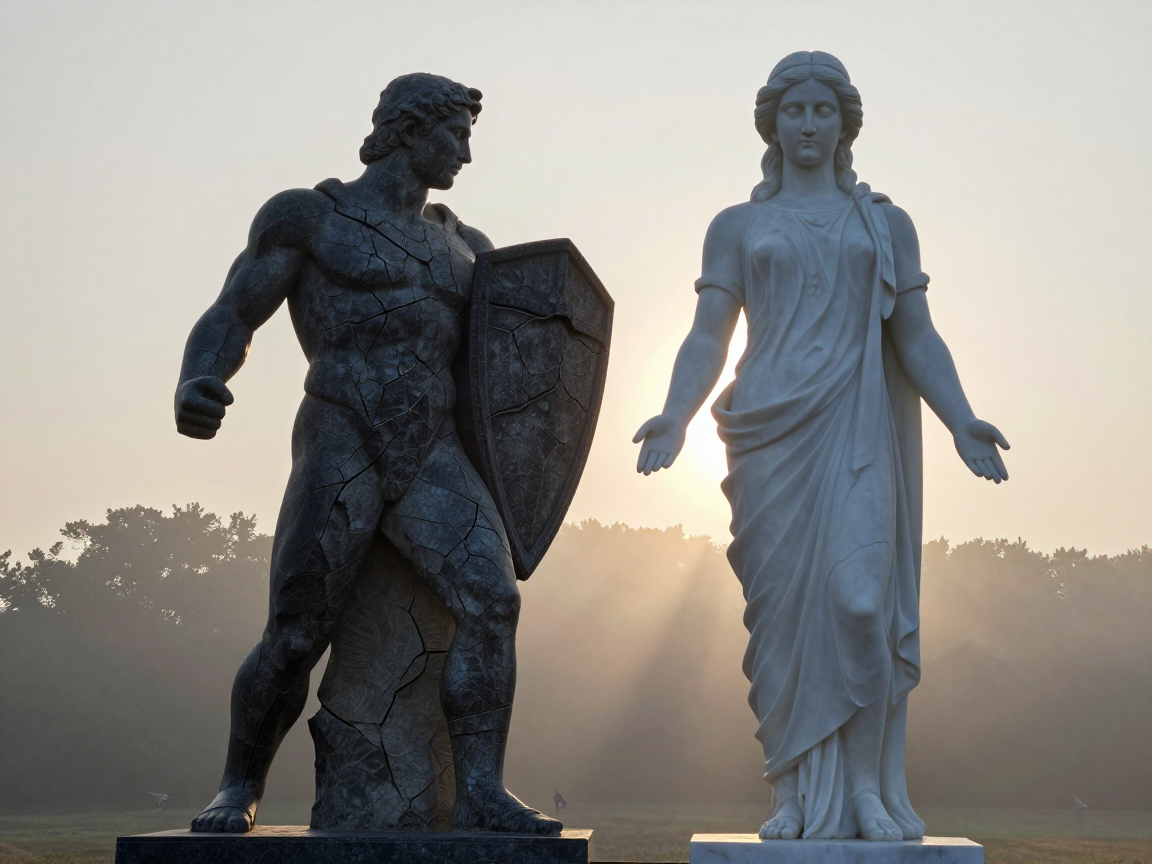
Masculinity is often misunderstood as a collection of social behaviors or physical traits. In reality, it is a fundamental energetic frequency that exists within everyone, regardless of gender identity. When this energy is functioning at its highest potential, it provides structure, protection, and a sense of purpose. However, when it is distorted by trauma, societal pressure, or a lack of self - awareness, it manifests as a defensive posture. This is the core tension we explore when looking at the wounded masculine vs healed masculine archetypes.
Understanding these two states is not about labeling oneself as good or bad. Instead, it is about recognizing the difference between survival and sovereignty. Most of us operate from a wounded state because we were never taught how to integrate our strength with our sensitivity. By identifying the hallmarks of wounded masculine vs healed masculine energy, we can begin the process of internal renovation, moving away from reactive patterns and toward a grounded, authentic way of being in the world.
The Anatomy of the Wounded Masculine
The wounded masculine is an archetype born out of fear and a perceived lack of safety. It is the version of masculinity that feels it must constantly perform, achieve, or dominate to prove its worth. Because it feels fundamentally unsafe, it builds high walls and adopts a variety of masks to prevent others from seeing the vulnerability underneath. In this state, the individual is often driven by an insatiable need for external validation - whether that comes through money, sexual conquest, or professional status.
When we look at the wounded masculine vs healed masculine, the wounded side is characterized by rigidity. This rigidity is a defense mechanism against the chaos of emotions. If a man cannot control his inner world, he seeks to control his outer world with an iron fist. This often results in a "lone wolf" mentality where asking for help is seen as a fatal flaw rather than a strategic move toward growth. The wounded masculine thrives on competition that seeks to diminish others, rather than competition that inspires collective excellence.
Signs of Wounded Masculine Energy in Daily Life
Identifying these traits requires radical honesty. Most people will see parts of themselves in these descriptions, as our modern culture often rewards wounded behavior. Here are the common indicators:
- Emotional Unavailability: Using silence or logic as a weapon to avoid intimacy or difficult conversations.
- The Need for Domination: Feeling that for you to win, someone else must lose. This shows up as a constant need to be the loudest or most "correct" person in the room.
- Performance Addiction: Tying self - worth exclusively to productivity and achievements. If you are not "doing", you feel you have no value.
- Suppressed Vulnerability: Viewing tears or emotional expression as a sign of weakness that must be hidden at all costs.
- Defensiveness: Taking feedback as a personal attack. The wounded masculine cannot separate its actions from its identity, making it impossible to admit a mistake.
- Aggression Over Assertiveness: Using intimidation or force to get results rather than using clarity and boundaries.
The Presence of the Healed Masculine
In contrast, the healed masculine is often referred to as the "Divine Masculine" or the "Integrated Masculine." This state is not the absence of strength; it is strength refined by wisdom. If the wounded masculine is a storm, the healed masculine is the mountain. It is unshakable, providing a stable foundation for others to grow around. It does not need to roar to be heard; its presence is felt through its consistency and integrity.
When discussing wounded masculine vs healed masculine energy, the defining factor of the healed state is security. A person operating from healed masculinity knows who they are and does not require the submission of others to feel powerful. They understand that true power is the ability to empower others. This energy is protective rather than possessive. It seeks to create a "container" of safety where emotions can be explored and life can flourish.
The Role of Purpose and Integrity
The healed masculine is deeply connected to a sense of mission. However, unlike the wounded version, this mission is not fueled by an ego - driven need to be "the best." Instead, it is fueled by a desire to contribute. Integrity is the backbone of this state. A healed masculine individual says what they mean and does what they say. They are reliable. They understand that their word is their bond, and they take responsibility for their impact on the world, even when their intentions were good.
Wounded Masculine vs Healed Masculine: A Side - by - Side Comparison
To better understand how these energies manifest in real - world scenarios, it is helpful to look at them side - by - side. This comparison highlights the shift from a scarcity mindset to an abundance mindset.
- Conflict Resolution: The wounded masculine seeks to win at all costs, often using gaslighting or intimidation. The healed masculine seeks the truth and resolution, even if it means admitting they were wrong.
- Relating to Others: The wounded masculine views relationships through the lens of what they can get or how they can control the outcome. The healed masculine views relationships as a space for co - creation and mutual support.
- Self - Image: The wounded masculine is obsessed with how they are perceived by others. The healed masculine is concerned with how they perceive themselves when no one is watching.
- Emotional Range: The wounded masculine has two gears: "I'm fine" or "I'm angry." The healed masculine has access to a full spectrum of emotions, including grief, joy, and fear, and can process them without being overwhelmed.
- Success: The wounded masculine views success as a trophy to be displayed. The healed masculine views success as a tool to be used for the benefit of their community or family.
The Sovereignty Framework: 5 Steps to Heal Masculine Energy
Moving from a wounded state to a healed state is not a one - time event; it is a practice of continuous integration. If you find yourself stuck in reactive patterns, use this five - step framework to shift your energy.
1. Witness the Shadow
You cannot heal what you refuse to see. The first step is to observe your triggers. When do you feel the need to dominate? When do you shut down emotionally? Simply noticing these patterns without judgment begins to loosen their grip on your behavior. Ask yourself? "What am I trying to protect right now?"
2. Practice Radical Accountability
The wounded masculine is a master of blame. To heal, you must take 100 percent responsibility for your life. This means owning your mistakes without falling into a pit of shame. Accountability is the bridge between who you were and who you are becoming. When you mess up, say? "I handled that poorly, and I am going to make it right."
3. Build an Inner Sanctuary
Most wounded energy stems from a lack of internal safety. You must learn to provide for yourself what you are seeking from the outside world. This involves self - regulation techniques like breathwork, meditation, or spending time in nature. When you feel safe inside your own skin, you no longer need to control your environment to feel okay.
4. Cultivate Conscious Community
Isolation is the breeding ground for the wounded masculine. Healing requires being seen by others who are also on the path. Seek out men's groups or mentors who value integrity over ego. Having other people hold a mirror up to your behavior is essential for growth. It teaches you that you do not have to carry your burdens alone.
5. Transition from Taking to Giving
The final stage of integration is service. Move your focus from "What can I get from this situation?" to "How can I be of use?" This shift naturally activates the protective and provider aspects of the healed masculine. Whether it is mentoring someone, being fully present for a partner, or working on a project that helps others, service is the ultimate antidote to the wounded ego.
Why the Balance of Energies Matters for the Future
The conversation around wounded masculine vs healed masculine is more than just a personal development trend; it is a cultural necessity. For too long, our structures have been built on the wounded aspects of masculine energy - extraction, competition, and the suppression of empathy. This has led to burnout, broken relationships, and a general sense of disconnection.
When individuals begin to embody healed masculine energy, they change the nature of leadership. A healed leader does not rule through fear; they lead through inspiration. They create environments where people feel safe enough to take risks and innovate. In personal relationships, the shift to healed energy allows for a depth of intimacy that is impossible when one partner is constantly on the defensive. It allows for a partnership based on choice rather than need.
Integrating the Mountain and the River
Healing the masculine does not mean becoming less masculine. It means becoming more whole. It is about integrating the "Mountain" (stability and strength) with the capacity to understand the "River" (the flow of emotions and intuition). A man who can hold his ground while also holding space for his partner's feelings is a man who has mastered the balance between wounded masculine vs healed masculine energy.
As you navigate this journey, remember that the goal is not perfection. You will have days where the wounded ego takes the driver's seat. The difference is that now, you have the tools to recognize it, pull over, and let your healed self take the wheel again. True strength is not found in the absence of struggle, but in the courage to remain open and honest through the process of transformation.