Beyond the Glue Stick: Creative Vision Board Ideas That Actually Turn Dreams Into Reality
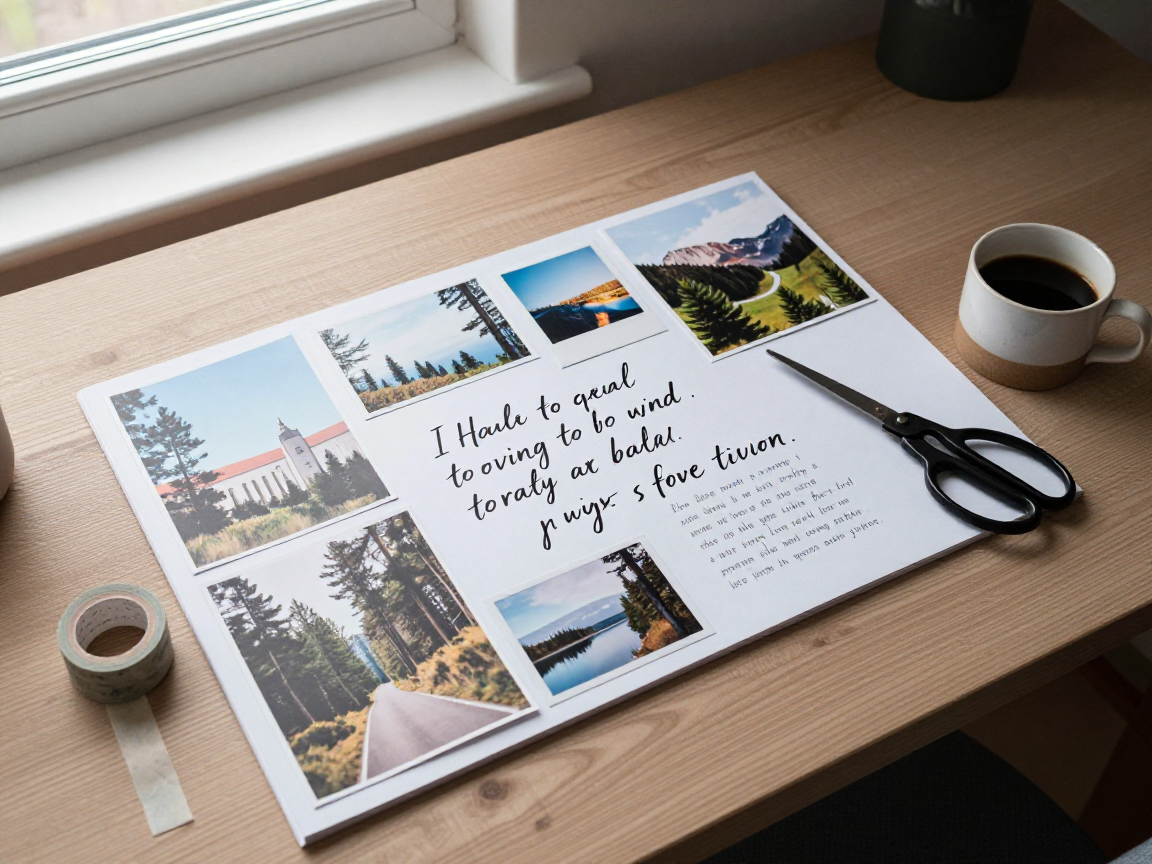
Most people approach the creation of a vision board as a rainy - day craft project, a simple collection of glossy magazine clippings and aspirational quotes. They spend an afternoon cutting out pictures of luxury cars and beach sunsets, glue them to a piece of poster board, and then wonder why their lives look exactly the same six months later. The truth is that a vision board is not a magic wand; it is a neurological tool. When designed with intention, it serves as a visual cognitive bridge between where you are and where you intend to be.
To move from mere wishful thinking to actual transformation, you need vision board ideas that go beyond the surface level. It is about more than just what you want to own - it is about who you want to become, how you want to feel, and the specific actions you are willing to take to get there. By integrating psychological principles like the Reticular Activating System (RAS) and emotional congruence, you can transform a simple collage into a powerful roadmap for your future.
The Psychology of Why Vision Boards Work
Before diving into specific vision board ideas, it is essential to understand the science that makes them effective. Your brain is bombarded with millions of bits of information every second. To prevent sensory overload, the Reticular Activating System acts as a filter, deciding what information is relevant enough to enter your conscious awareness. When you consistently look at a vision board, you are essentially training your RAS to look for opportunities, resources, and people that align with your stated goals.
Visualization also helps bridge the gap between the known and the unknown. The brain often struggles to distinguish between a vividly imagined experience and a real one. By surrounding yourself with imagery that represents your desired reality, you reduce the internal resistance or fear associated with those big changes. You are telling your subconscious mind, "This is safe, this is familiar, and this is where we are going". This mental rehearsal primes you for action when real - world opportunities finally arrive.
5 Categorized Vision Board Ideas to Spark Your Evolution
Not every vision board needs to look like a travel brochure. Depending on your current season of life, you might find that focusing on a specific theme is more effective than a generic overview of your entire existence. Here are five distinct vision board ideas to help you narrow your focus and increase your clarity.
1. The "Main Character" Identity Board
Instead of focusing on what you want to get, focus on who you want to be. This board is about identity and character. If you want to be a confident leader, what does that person look like? How do they dress? What books are on their nightstand? Use imagery that evokes a specific personality or energy.
- Include: Portraits of mentors, words that describe your ideal character, and images of the environments where this version of you thrives.
- The Goal: To shift your self - perception so your actions naturally align with your new identity.
2. The Wellness and Vitality Board
This is one of the most popular vision board ideas for those looking to reclaim their health. Avoid using "thinspo" or unrealistic body types that make you feel inadequate. Instead, focus on vitality. What does a body that feels energetic and strong look like in motion?
- Include: Pictures of vibrant, colorful foods, people engaging in joyful movement, sun - drenched outdoor spaces, and symbols of rest like a cozy reading nook or a spa.
- The Goal: To associate health with pleasure and energy rather than restriction or punishment.
3. The Career and Impact Board
If you are feeling stagnant in your professional life, your board should reflect growth, influence, and mastery. This is about more than a paycheck; it is about the legacy you want to build and the problems you want to solve.
- Include: Logos of companies you admire, snapshots of a dream office setup, headlines about industry breakthroughs, and symbols of leadership like a microphone or a gavel.
- The Goal: To clarify your professional trajectory and identify the skills you need to acquire.
4. The Abundance and Financial Freedom Board
Money is often a source of stress, but it can also be a tool for freedom. This board should reflect what financial abundance allows you to do for yourself and others.
- Include: Images of experiences you want to fund, like family reunions or charitable donations. Use symbolic representations of wealth like a "paid in full" stamp or a growing tree.
- The Goal: To move from a scarcity mindset to one of possibility and stewardship.
5. The Inner Peace and Spiritual Growth Board
For some, the most important vision board ideas are those that prioritize the internal landscape. If your life feels chaotic, your board should be an anchor of tranquility.
- Include: Minimalist art, calming color palettes (blues and greens), quotes about presence, and images of meditation or nature.
- The Goal: To provide a visual sanctuary that reminds you to breathe and stay grounded regardless of external circumstances.
Digital vs. Physical: Finding Your Medium
When exploring vision board ideas, you must decide which format will be most visible in your daily life. Both have unique benefits, and the "right" choice depends entirely on your lifestyle.
The Case for Physical Boards: There is something visceral about the act of cutting, pasting, and physically handling your goals. A physical board on your wall creates a permanent presence in your environment. It cannot be closed with a tab or hidden by a notification. The tactile nature of the process can also be more meditative and grounding.
The Case for Digital Boards: Digital vision boards are perfect for those who are always on the go. You can create a high - resolution collage using tools like Canva or Pinterest and set it as your phone wallpaper or desktop background. This ensures that you see your vision board ideas dozens of times a day every time you check your messages or start your work. They are also easier to update as your goals evolve.
The 4-Step Intentional Action Framework
To ensure your board doesn't just collect dust, follow this structured framework for creation and activation. This moves your practice from a passive craft to an active psychological tool.
Step 1: The Deep Inquiry
Before you look for a single image, sit with a journal. Ask yourself: "If I knew I could not fail, what would I change?" and "How do I want to feel when I wake up three years from now?" Write down the answers. These are your anchors. These written goals will dictate which vision board ideas are actually relevant to your journey.
Step 2: Curation over Clutter
Be ruthless in your selection. If an image only "kind of" fits, leave it out. You want every single item on your board to spark a physical reaction in your body - a flutter in your chest or a sense of "yes!".
- Avoid: Generic images of money or houses that don't actually excite you.
- Embrace: Personal photos where you felt your best, or specific symbols that have deep meaning to you.
Step 3: Strategic Assembly
How you arrange your vision board ideas matters. Some people prefer a "feng shui" approach, placing wealth in the top left, career in the bottom middle, and relationships in the top right. Others prefer a more organic flow. The key is to avoid overcrowding. Leave some white space to allow your goals "room to breathe".
Step 4: The Daily Activation
This is where most people fail. A vision board is a tool for focus, but it requires engagement. Spend two minutes every morning looking at your board. Don't just look at the pictures; try to feel the emotions associated with them. Ask yourself, "What is one small thing I can do today that aligns with this board?"
Essential Elements to Include on Your Board
To make your vision board ideas more robust, try to include a variety of media types. A mix of textures and styles can make the board feel more real and multidimensional.
- Power Words: Choose one or two "words of the year" that act as a theme for your decisions.
- Affirmations: Short, present - tense statements like "I am capable of handling hard things" or "I attract abundance effortlessly".
- Sensory Triggers: If it is a physical board, add a piece of fabric that represents the clothes you want to wear or a dried flower from a place you love.
- Milestone Markers: Small checklists or "progress bars" that you can fill in as you get closer to your goals.
- A Photo of Yourself: Place a photo of your current, smiling self in the center. This anchors the vision to you, not just a random collection of ideas.
Avoiding the Common Pitfalls of Vision Boarding
Even with the best vision board ideas, there are a few traps that can hinder your progress. One major mistake is making a board that is too focused on the "end result" without acknowledging the "process". If your board only shows the trophy at the finish line, your brain might feel overwhelmed by the distance between your current reality and that goal. Include images of the work - the messy desk, the early morning workout, or the library books. This helps normalize the effort required to reach the destination.
Another pitfall is keeping the board hidden. While some people prefer privacy, the more you see your board, the more effective it is. If you don't want it in your living room, put it inside your closet door or on the back of your bedroom door. The goal is frequent, low - friction exposure.
Finally, remember that a vision board is a living document. Do not feel like you are locked into the vision you had in January if it is now July and your heart has shifted. It is okay to peel off an image and replace it with something that feels more aligned with who you are becoming today. The most effective vision board ideas are those that evolve as you do.
Turning Vision Into Reality
The power of a vision board lies in its ability to keep your intentions at the forefront of your mind in a world designed to distract you. It is a constant reminder of your "why" when things get difficult. By moving beyond generic ideas and moving toward a deeply personal, scientifically grounded approach, you turn a simple collage into a catalyst for change. Use these vision board ideas to build a visual roadmap that doesn't just sit on your wall, but actively pulls you toward the life you were meant to live.