Why You Feel Stuck in Old Patterns: The Science of How Neurons That Fire Together Wire Together
Many people go through life feeling like they are at the mercy of their own psychology. Whether it is a recurring anxious thought, a persistent habit like reaching for a smartphone the second you wake up, or a deep-seated belief about your own inadequacy, these patterns can feel as though they are etched in stone. For decades, the scientific community largely believed the adult brain was a static, unchanging organ. We were told that once our development was complete, we were simply stuck with the neural hardware we had. However, modern neuroscience has shattered this notion, revealing a brain that is remarkably fluid, adaptable, and constantly under construction.
At the heart of this transformation is a principle known as Hebb’s Law. It is more commonly summarized by the catchy phrase: neurons that fire together wire together. This concept, first proposed by neuropsychologist Donald Hebb in 1949, suggests that every experience, thought, and action triggers a specific pattern of activity in the brain. When these patterns are repeated, the physical connection between those neurons strengthens. This is the foundation of learning, memory, and habit formation. Understanding that neurons that fire together wire together is not just an academic exercise—it is a toolkit for personal liberation. If we can understand how the wiring happens, we can learn how to rewire it.
The Biological Architecture of Belief: How Neurons That Fire Together Wire Together
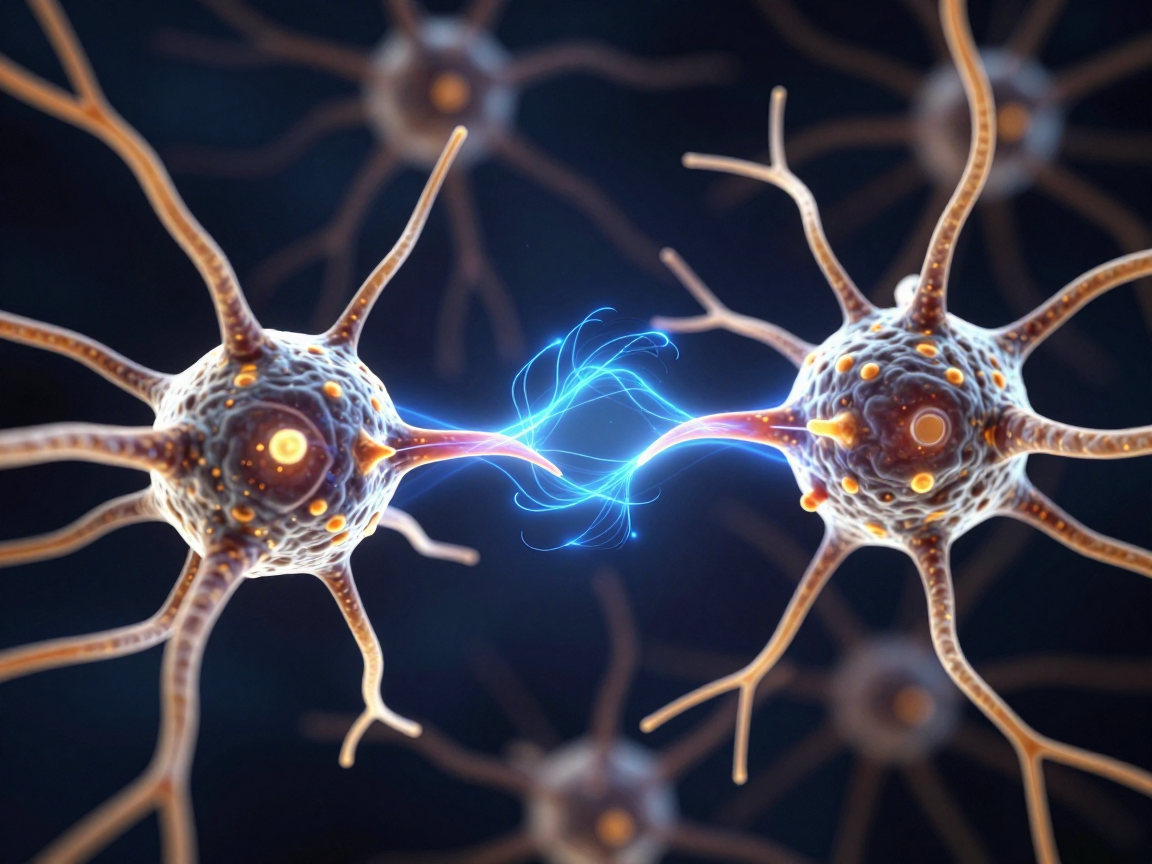
To understand why neurons that fire together wire together, we have to look at the microscopic level of the synapse. A synapse is the tiny gap between two neurons. When you have a thought or perform an action, an electrical signal travels down the first neuron (the presynaptic neuron) and triggers the release of chemicals called neurotransmitters. These chemicals swim across the gap and bind to receptors on the second neuron (the postsynaptic neuron). If the signal is strong enough, the second neuron fires, and the message continues through the network.
When this specific pathway is activated repeatedly, a process called Long-Term Potentiation (LTP) occurs. Think of it like a forest path. The first time you walk through the brush, it is difficult and slow. But every time you retrace your steps, you flatten the grass, clear the branches, and eventually create a paved road. In the brain, LTP increases the number of neurotransmitters released and the number of receptors available to receive them. The connection becomes more efficient, requiring less effort to trigger. This is the physical manifestation of the rule that neurons that fire together wire together. Your brain is essentially saying, "This pathway is used often, so let’s make it easier to travel."
The Role of Myelination
Beyond the synapse, another critical factor in this wiring process is myelination. Myelin is a fatty, insulating substance that wraps around the axons of neurons. As a neural pathway is used more frequently, the brain adds more layers of myelin to those specific connections. This insulation acts like the difference between an old copper wire and a high-speed fiber optic cable. It allows electrical signals to travel up to 100 times faster. This is why a new skill feels clunky and slow, but an old habit feels instantaneous and automatic. Your brain has physically optimized the wiring for that specific behavior, making it the path of least resistance.
The Efficiency Paradox: Why Your Brain Automates the Wrong Things
The brain is an energy-hungry organ, consuming about 20 percent of your body’s total calories despite making up only 2 percent of its weight. Because of this, the brain is obsessed with efficiency. It seeks to automate as much as possible to save computing power for new or dangerous situations. This is why you can drive home from work while daydreaming and arrive without remembering the specifics of the turns you made. Your brain has wired that route so deeply that it no longer requires conscious attention.
However, this efficiency becomes a problem when it comes to negative thoughts and behaviors. The brain does not distinguish between "good" habits and "bad" ones. If you consistently respond to stress by reaching for sugar, the neurons associated with stress and the neurons associated with eating sugar will fire in tandem. Eventually, those neurons that fire together wire together so strongly that the mere feeling of stress triggers an automatic, almost uncontrollable craving.
The same applies to ruminative thought patterns. If you spend years practicing self-criticism, your brain becomes a high-speed superhighway for negative self-talk. This is the "dark side" of neuroplasticity. You aren't "broken" or "weak-willed"; you are simply well-wired for a pattern that no longer serves you. The brain has optimized itself for your current environment and your repeated reactions to it, even if those reactions are harmful to your long-term well-being.
Breaking the Circuit: The Power of Long-Term Depression (LTD)
If the rule is that neurons that fire together wire together, what happens when we want to stop a behavior? Neuroscientists refer to the weakening of neural connections as Long-Term Depression (LTD). This is essentially the "use it or lose it" principle of the brain. When a pathway is no longer stimulated, the synaptic connections begin to weaken, and the extra receptors are reabsorbed by the cell.
This is not a fast process. Because the brain has invested physical resources, like myelin, into your existing habits, "unwiring" takes time and intentionality. You cannot simply delete a neural pathway; you have to allow it to atrophy through disuse while simultaneously building a new, competing pathway. This is why quitting cold turkey or relying on sheer willpower often fails. You are fighting against a physical infrastructure. To succeed, you must understand the mechanics of how to build a new road while the old one slowly returns to the wild. You aren't just changing your mind; you are changing your anatomy.
The 5-Step Framework to Rewire Your Neural Pathways
Changing the architecture of your brain requires more than just positive thinking. It requires a strategic approach to neural engineering. Use the following framework to apply the principle that neurons that fire together wire together to your own life goals.
- Identify the Trigger (Awareness): You cannot change what you cannot see. The first step is to identify the "cue" that triggers your unwanted neural pathway. Is it a specific time of day? A certain emotion like loneliness or boredom? By naming the pattern, you move the activity from the automatic basal ganglia to the conscious prefrontal cortex. This creates the "space" necessary for change.
- The 30-Second Interruption: When you feel the itch of an old habit, your goal is to prevent those neurons from firing together in the same old way. You don’t have to resist forever; you just have to create a gap. Even a 30-second delay breaks the immediate chemical momentum. During this gap, take five deep breaths or perform a physical movement like a stretch. This "scrambles" the electrical signal.
- The Intentional Pivot (Substitution): Since you cannot have a void in your behavior, you must choose a specific, pre-determined action to take instead. If your old circuit was "Stress -> Social Media," your new circuit might be "Stress -> Drink a glass of water." You are now forcing a new set of neurons to fire together, initiating a new wiring process.
- Apply Emotional Intensity: Neurons wire together much faster when they are accompanied by a chemical reward like dopamine or oxytocin. When you successfully perform your new habit, genuinely celebrate. Feel the pride. This shot of dopamine acts like "neural cement," hardening the new connection much faster than a neutral experience would. Positive reinforcement is a biological requirement for neuroplasticity.
- The Law of High Frequency: Consistency is more important than duration. Firing the new circuit 10 times a day for 1 minute is more effective for wiring than doing it once for 10 minutes. You are trying to signal to the brain that this new path is a high-priority route that needs myelination. Repetition is the language of the brain.
Factors That Accelerate Neural Rewiring
While the framework above provides the "how," certain biological conditions can act as brain fertilizer, making your neurons more plastic and ready to change. If you want to maximize the speed at which your neurons that fire together wire together, pay attention to these three pillars.
- Focus and Acetylcholine: Neuroplasticity in the adult brain is gated by attention. When you focus intensely on a task, your brain releases acetylcholine, which marks the specific neurons involved for change. Multitasking is the enemy of rewiring. If you want to learn something new or change a habit, give it your undivided attention for a set period every day.
- Sleep and Pruning: While we learn during the day, the actual wiring happens while we sleep. During deep sleep and REM cycles, the brain consolidates memories and performs synaptic pruning, clearing out the noise so the new connections can stand out. Without adequate sleep, your brain cannot physically lock in the changes you practiced during the day.
- Novelty and BDNF: Brain-Derived Neurotrophic Factor (BDNF) is a protein that supports the growth and survival of neurons. Novelty—trying new things, visiting new places, or even brushing your teeth with the opposite hand—triggers the release of BDNF. This makes the entire brain more receptive to the "neurons that fire together wire together" process. Think of BDNF as the moisture that makes the clay of your mind easier to mold.
The Long Game of Cognitive Freedom
It is easy to get discouraged when you slip back into old patterns. However, understanding the biology of the brain should offer you a sense of self-compassion. You aren’t failing because of a lack of character; you are simply navigating a physical system that was designed for survival and efficiency, not necessarily for your modern happiness.
Every time you choose the new path, even if it feels small and insignificant, you are laying down another layer of myelin. You are strengthening the synapse. You are proving that while your past may have wired your current brain, your present actions determine its future. The phrase "neurons that fire together wire together" is more than a rhyme; it is a promise of transformation. With patience, repetition, and a bit of scientific strategy, you can literally build a new mind from the inside out. Your brain is not a fixed asset; it is a living, breathing work in progress.