Beyond the Loneliness Epidemic: A Practical Guide to Finding Belonging in an Intentional Community
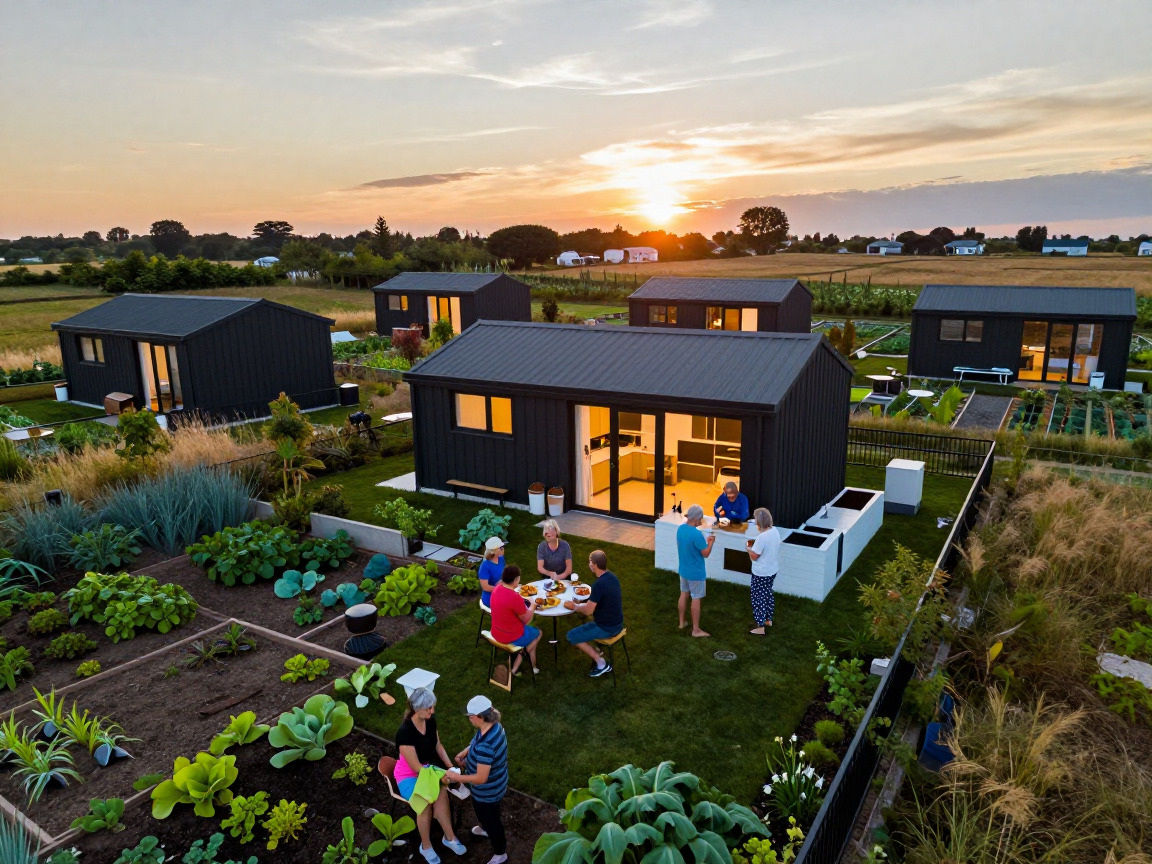
In an era of hyper-connectivity, a strange paradox has emerged: we are more connected through our screens than ever before, yet we are experiencing a profound crisis of loneliness. The traditional social structures that once held us together - the village, the extended family, the tight-knit neighborhood - have largely eroded in favor of a lifestyle that prioritizes individual privacy and professional mobility. For many, the result is a quiet sense of isolation, even when surrounded by millions of people. This growing dissatisfaction has fueled a resurgence of interest in a lifestyle that many are calling the future of human habitation: the intentional community.
At its core, an intentional community is a group of people who have chosen to live together or near each other based on shared values, a common purpose, or a collective vision. It is a deliberate departure from the accidental neighborhood where residents might not know the names of the people living twenty feet away. Whether it is an urban cohousing project, a rural ecovillage, or a spiritual retreat center, the intentional community represents a conscious effort to rebuild the social fabric and create a life that is more sustainable, collaborative, and meaningful. It is about moving from the mindset of "I" to the mindset of "we" without losing the essence of one's own identity.
Understanding the Spectrum of Intentional Living
The term intentional community is a broad umbrella that covers a diverse array of living arrangements. Understanding these distinctions is crucial for anyone considering making the transition to a more communal lifestyle. No two communities are exactly alike, but most fall into one of several primary categories.
Cohousing Models
Cohousing is perhaps the most accessible entry point for those accustomed to modern suburban or urban life. In a cohousing development, residents typically own or rent their own private homes or apartments, which include all the standard amenities like kitchens and bathrooms. However, the community is designed around extensive common facilities - often a large "common house" where residents share several meals a week, a communal garden, workshops, and play areas for children. This model balances the need for personal space with a high degree of social interaction and resource sharing.
Ecovillages and Sustainable Settlements
An ecovillage is an intentional community that places environmental sustainability at the center of its mission. These communities often focus on regenerative agriculture, renewable energy, and ecological building techniques. Members of an ecovillage frequently share a deep commitment to reducing their carbon footprint and living in harmony with the local ecosystem. Life in an ecovillage often involves significant manual labor, from tending to community orchards to maintaining composting toilet systems, attracting those who want to detach from industrial consumerism.
Housing Cooperatives and Urban Collectives
Housing cooperatives are often found in densely populated cities. In this model, residents may share a large house or an apartment building, managing the property collectively. Decisions about maintenance, finances, and new residents are made through a democratic process. Urban collectives often emphasize social justice, art, or activism, providing an affordable and supportive base for people who might otherwise be priced out of the city.
The Psychological and Social Benefits of Shared Living
Why would someone trade the total autonomy of a private home for the complexities of an intentional community? The answer usually lies in the pursuit of a higher quality of life that cannot be measured by square footage alone. Human beings are biologically wired for connection; our ancestors survived because they functioned as a tribe. Modern society often ignores this biological imperative, leading to stress, anxiety, and a lack of support systems.
In an intentional community, the burden of daily life is distributed. The stress of childcare, for example, is mitigated when there are trusted neighbors just a door away who can keep an eye on the kids while you run an errand. This is often referred to as the "village effect". It is the presence of informal support - the neighbor who brings you soup when you are sick or the friend who helps you fix a leaky faucet - that creates a sense of safety and belonging.
Furthermore, these communities provide a built-in environment for personal growth. When you live in close proximity to others who share your values, you are constantly challenged to improve your communication skills, practice empathy, and navigate conflict in a healthy way. This is not always easy, but it is deeply rewarding. The intentional community acts as a mirror, reflecting our strengths and weaknesses back to us through the eyes of people who truly care about our well-being.
Navigating the Challenges: Why It Is Not Always a Utopia
It is important to approach the concept of an intentional community with a grounded perspective. While the benefits are numerous, the reality of shared living can be messy. One of the biggest challenges is the decision - making process. Most communities strive for consensus or sociocracy, which means that every voice is heard and major decisions require broad agreement. While this is incredibly empowering, it can also be slow and emotionally taxing. Disagreements over everything from the budget to the types of plants in the garden can lead to "meeting fatigue" if the community lacks strong facilitation skills.
Privacy is another significant consideration. Even in cohousing models where you have your own home, you are much more visible to your neighbors than you would be in a standard apartment complex. For those who require high levels of solitude to recharge, the social expectations of an intentional community can occasionally feel overwhelming. Finding the right balance between "we space" and "me space" is a constant negotiation.
Finally, the financial and legal structures of these communities can be complex. Investing in an intentional community often involves different legal frameworks than traditional real estate. Whether it is a land trust, a limited liability company, or a non-profit association, potential members must do their due diligence to ensure their investment is secure and their rights are protected.
The Roadmap to Belonging: A 5 - Step Evaluation Framework
If the idea of an intentional community resonates with you, it is important to follow a structured approach to finding the right fit. Joining a community is a major life decision, akin to a marriage between multiple parties. Here is a framework to help you navigate the process:
- Define Your Non - Negotiables: Before you start looking at properties, look inward. What are your core values? Do you prioritize environmental sustainability, spiritual practice, or social activism? Determine how much privacy you need and what level of financial contribution you can realistically afford. Knowing your boundaries early prevents you from being swept up in the "romance" of a community that does not actually meet your needs.
- Conduct Thorough Virtual Research: Use databases like the Foundation for Intentional Community (FIC) to search for groups that align with your criteria. Look at their websites, read their mission statements, and pay attention to their governing documents. Notice how they talk about themselves and how they handle conflict resolution.
- Attend Public Events or Workshops: Many communities host open houses, work parties, or educational workshops. These are excellent opportunities to observe the group dynamic without the pressure of a formal interview. Pay attention to how people treat each other during mundane tasks. Is there a sense of ease, or do you sense underlying tension?
- Schedule a Formal Visit and Stay Over: You cannot truly know a community until you have lived there, even for a few days. Most established communities have guest policies. Use this time to participate in community meals, attend meetings, and talk to as many different residents as possible. Ask them what they love about living there and what they find the most difficult.
- Undergo a Trial Period: Most intentional communities have a multi - month "provisional member" phase. This is a "getting to know you" period where both the community and the individual can assess the fit. Take this phase seriously. It is much easier to walk away after six months than it is to untangle your life after you have fully committed.
The Essential Community Readiness Checklist
Before you pack your bags and move into an intentional community, consider this checklist to ensure you are emotionally and practically prepared for the transition:
- Emotional Resilience: Are you willing to work through interpersonal conflicts rather than walking away?
- Communication Skills: Can you express your needs clearly and listen to others without becoming defensive?
- Financial Stability: Do you understand the buy - in costs, monthly dues, and how equity is handled if you decide to leave?
- Time Commitment: Are you prepared to contribute the required hours for community work, such as cooking, cleaning, or gardening?
- Flexibility: Can you accept that the community will never be perfect and that compromises are a necessary part of the process?
- Legal Awareness: Have you reviewed the community bylaws, membership agreements, and property deeds?
Cultivating Community Wherever You Are
Not everyone is in a position to move into a formal intentional community. However, the principles that make these communities thrive can be applied to any living situation. You can begin to build "community" right where you are by hosting regular neighborhood potlucks, starting a tool - sharing library on your street, or organizing a collective garden in a local park.
The shift toward intentional living is ultimately a shift in consciousness. It is a recognition that the "rugged individualism" of the past century has reached its limits. We are finding that true wealth is found in the quality of our relationships and the strength of our support networks. Whether you find yourself in a rural ecovillage or simply becoming the person who finally introduces themselves to their next - door neighbor, the path to a less lonely world begins with the intention to connect.
Building an intentional community is a bold act of hope. It is a statement that we believe a better, more connected way of life is possible. While it requires patience, hard work, and a willingness to be vulnerable, the reward is a life where you are truly seen, heard, and supported by those around you. In the end, the journey into community is not just about where we live, but how we choose to show up for one another.