The Unspoken Legacy: A Grounded Guide to Healing Mother Wound Patterns and Reclaiming Your Self
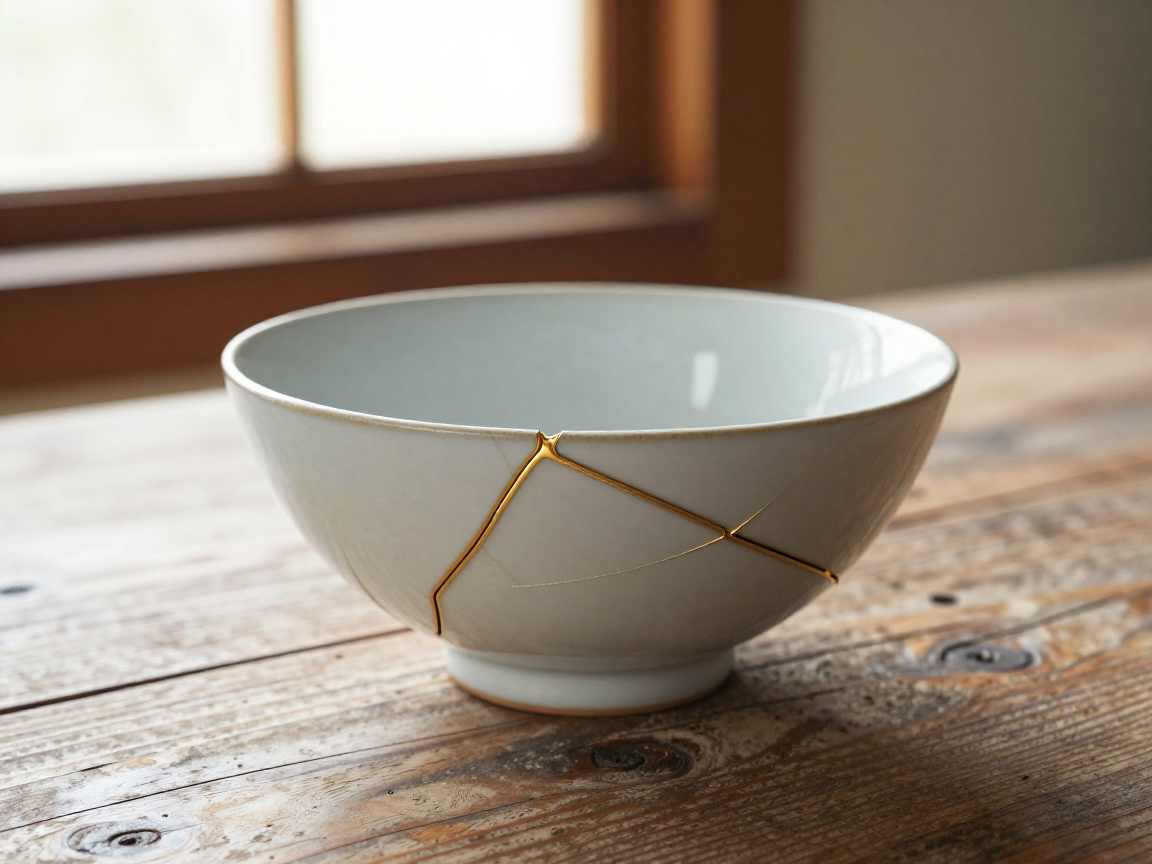
The relationship between a child and a mother is often described as the foundational blueprint for how we see the world. It is the first mirror we look into to understand our value, our safety, and our right to exist as we are. But for many, that mirror was cracked. Whether through emotional absence, overbearing control, or unresolved trauma of her own, a mother may leave a legacy of pain that shapes her child's adult life in ways that feel invisible yet heavy. This is not about assigning blame or demonizing the person who gave us life; rather, it is about acknowledging a specific type of psychological pain that persists across generations.
Deepening your understanding of this pain is the first step toward healing mother wound dynamics. This wound is essentially the set of limiting beliefs, coping mechanisms, and emotional gaps that occur when a mother is unable to provide the consistent emotional validation and safety a child requires. It is an internal sense of lack that whispers you are not quite enough, or perhaps, that you are far too much. By looking directly at this legacy, you begin the process of untangling your identity from the expectations and traumas that were never yours to carry in the first place.
What Exactly is the Mother Wound?
To begin healing mother wound patterns, we must first define what we are dealing with. The term refers to the pain of the "unlived life" of the mother. It is the result of mothers living in a society that often demands they sacrifice their own needs, desires, and identities. When a woman is not allowed to be a whole person, she cannot fully support the wholeness of her child. This creates an intergenerational loop where the daughter or son inherits the mother's unresolved grief, anger, or emptiness.
This wound is rarely about a single, catastrophic event. Instead, it is a chronic atmosphere. It might manifest as a mother who was physically present but emotionally distant—a "ghost mother" who was preoccupied with her own survival or depression. It might also look like the "smothering" mother, who used her child as a source of emotional support—a process known as parentification—or one who was overly critical to protect the child from the same judgments she faced. In every case, the result is the same: the child learns that their authentic self is less important than the mother's comfort or the family's image. This creates a core fracture in self-esteem that follows the child into adulthood, manifesting as a persistent feeling of being "not enough."
Identifying the Signs in Your Adult Life
How do you know if you are carrying this burden? The symptoms are often mistaken for personality traits or general anxiety. However, once you view them through the lens of the mother wound, they begin to make sense as survival strategies developed in childhood. Recognizing these signs is a vital part of the healing mother wound journey.
- Chronic People-Pleasing: You have an ingrained habit of scanning the room to ensure everyone else is happy before you can feel okay. You struggle to say no because you equate boundaries with abandonment or a lack of love.
- The Perfectionism Trap: You feel that you must be flawless to be loved. Any mistake feels like a moral failing rather than a human error because, in your early years, your worth was tied to your performance or your ability to make your mother look good.
- Difficulty with Emotional Intimacy: You may push people away when they get too close, fearing they will find you "lacking" or that they will consume your identity just as your mother might have. Conversely, you might be excessively needy, seeking the validation you never received from her in your romantic partners.
- A Persistent Sense of Not Belonging: Even in groups where you are welcomed, you feel like an outsider or a fraud, waiting for the moment you are "found out" and rejected. This is the echo of not feeling "at home" in your original family unit.
- Guilt for Success: When things go well, you feel a strange sense of guilt or "upper-limiting," as if your happiness is a betrayal of your mother's suffering or struggles. You feel you must stay small to keep her comfortable.
- Body Image and Self-Care Struggles: Often, the way we treat our bodies reflects the way our mother treated hers or ours. Neglect, harsh criticism, or obsessive control over one's body can often be traced back to these early maternal dynamics.
The Framework for Healing Mother Wound Dynamics
Healing is not a linear process, nor is it a quick fix. It is an intentional unlearning of who you were told to be. To help navigate this terrain, we can look at a four-stage framework designed to move you from a state of reactive survival to one of conscious sovereignty.
1. Witnessing and Naming the Pain
The first step in healing mother wound layers is to stop minimizing your experience. You might catch yourself saying, "It wasn't that bad" or "She did her best." While those things may be true, they do not negate the fact that you were hurt. Witnessing involves looking at your childhood history with the eyes of a compassionate observer. It is about acknowledging the specific ways your emotional needs were unmet without immediately jumping to defend or excuse the behavior. This is the stage where you give yourself permission to be honest about the impact. Journaling can be particularly helpful here—writing down the memories that still sting without the internal censor that tries to protect your mother's image.
2. Grieving the "Ideal Mother"
One of the most difficult parts of healing mother wound issues is grieving the mother you deserved but didn't have. Many of us spend decades trying to "fix" our actual mother or behaving in ways that might finally win her approval. Grieving means letting go of the hope that she will suddenly change and become the nurturing, validating presence you needed. By mourning the loss of that ideal, you stop seeking water from a dry well. This creates the space necessary for you to begin providing that nourishment for yourself. It is a painful realization, but it is also the threshold of freedom.
3. Decoupling Your Identity
In this stage, you begin to separate your sense of self from your mother's projections. You are not her mistakes, and you are not responsible for her happiness. This often involves a deep inventory of your beliefs. Ask yourself: "Is this my belief, or is this my mother's voice?" When you realize that your inner critic often sounds remarkably like a parental figure, you can begin to distance yourself from those thoughts and replace them with your own values. This is where you begin to define what it means to be you, independent of her gaze or expectations.
4. Intentional Reparenting
Reparenting is the act of becoming the loving, stable adult for your inner child that you needed long ago. When you feel triggered, anxious, or small, you check in with yourself. You ask: "What do I need right now?" and "How can I provide safety for myself?" This might look like setting firmer boundaries with others, prioritizing rest, or simply speaking to yourself with kindness when you make a mistake. Over time, this builds an internal foundation of security that no longer depends on external validation. You become your own source of primary emotional safety.
The Role of Boundaries in the Healing Process
As you progress in healing mother wound patterns, your relationship with boundaries will inevitably change. For some, this means learning to say no to frequent phone calls that leave them drained. For others, it may mean a period of low contact or even no contact if the relationship remains abusive or deeply toxic.
Setting boundaries is not an act of aggression; it is an act of self-preservation. It is the physical and emotional manifestation of the statement: "I matter." You may encounter significant resistance—both from your mother and from within yourself—as you establish these new rules. Guilt is a common side effect of setting boundaries in these dynamics because you have been conditioned to believe that your primary role is to manage her emotions. Part of the healing mother wound process is learning to sit with that guilt without letting it dictate your actions. Eventually, the guilt is replaced by a sense of peace and self-respect.
Breaking the Intergenerational Cycle
One of the most powerful motivators for healing mother wound dynamics is the desire to stop the cycle of trauma from passing to the next generation. If you have children or plan to, your healing is the greatest gift you can give them. By doing the work to regulate your own nervous system and find your own worth, you ensure that your children do not inherit the "emotional debt" of your ancestors. You stop the hand-off of shame and inadequacy.
Even if you do not have children, breaking the cycle is a profound act of cultural service. You are refusing to carry forward the silent expectations and limitations that have kept people in your lineage from reaching their full potential. You are choosing to live as a whole, integrated person. This shift from "survival mode" to "thrival mode" is the ultimate goal of the healing process. When you heal yourself, you essentially heal the timeline—both backwards and forwards.
Practical Steps for Daily Recovery
Healing is found in the small, daily choices we make to honor ourselves. To continue your journey of healing mother wound patterns, consider integrating these practices into your life:
- Somatic Awareness: The mother wound is often stored in the body as tension or a "collapsed" posture. Notice where you feel constriction when you think about family dynamics. Use deep belly breathing or gentle movement to signal to your nervous system that you are safe in the present moment.
- The "Inner Child" Dialogue: Spend five minutes a day talking to the younger version of yourself. Tell them the things they needed to hear: "I see you," "You are safe with me," and "You don't have to be perfect to be loved."
- Audit Your Obligations: Review your weekly schedule. How many things are you doing out of genuine desire, and how many are done out of a lingering sense of "should" or fear of disappointing a maternal figure? Slowly start to prune the latter.
- Seek Mirroring elsewhere: Since the initial mirror was cracked, find healthy "mirrors" in friends, mentors, or therapists who can reflect your true worth and capabilities back to you accurately.
Moving Forward with Self-Sovereignty
Healing does not mean that the pain will never be felt again. Instead, it means that the pain no longer sits in the driver's seat of your life. You become the author of your own story. You might still feel a pang of sadness on certain holidays or when you see a particularly healthy mother-child interaction, but that sadness no longer defines your worth or your future. It is a guest in your house, not the owner.
Ultimately, healing mother wound dynamics is about coming home to yourself. It is the process of stripping away the layers of who you thought you had to be to survive, and discovering the vibrant, capable, and worthy person who has been there all along, waiting to be seen. As you reclaim your identity, you find that the most important relationship you will ever have is the one you cultivate with your own soul. You are finally free to live your life—not as a reaction to your past, but as a creation of your present.