Why Saying No Feels Like a Threat: Understanding and Healing the Fear of Setting Boundaries
For many, the simple act of saying "No" or expressing a personal need feels less like an act of self-care and more like a high-stakes gamble. It is a physical sensation - a tightening in the chest, a dry throat, or a sudden spike in heart rate at the mere thought of telling a friend they cannot come over or telling a manager that a workload is unsustainable. This visceral reaction is the hallmark of a deep-seated fear of setting boundaries, a psychological barrier that can keep even the most capable people stuck in a cycle of resentment and exhaustion.
At its core, this struggle is rarely about the specific request at hand. Instead, it is about what we believe will happen to our relationships and our safety if we stop being infinitely available. We often mistake our compliance for kindness, but when that compliance is driven by anxiety, it is actually a survival strategy. To move past this, we must look beneath the surface of our people-pleasing habits and address the underlying beliefs that make personal limits feel so dangerous.
The Psychological Roots of the Fear of Setting Boundaries
To understand why we avoid limits, we have to recognize that humans are fundamentally social creatures. For our ancestors, being excluded from the group was a literal death sentence. This evolutionary hardwiring means that anything threatening our connection to others can trigger a "fight or flight" response. When you experience a fear of setting boundaries, your nervous system is essentially misidentifying a social interaction as a threat to your survival.
There are several common reasons why this fear takes root:
- The Fawn Response: Most people are familiar with fight, flight, and freeze. However, the "fawn" response is a fourth trauma recovery mechanism where a person attempts to appease an aggressor or avoid conflict by being helpful, agreeable, and self-sacrificing. If you grew up in an environment where your needs were secondary to a parent's mood, fawning became your primary way to stay safe.
- Core Beliefs of Unworthiness: Many people carry a hidden script that says, "I am only valuable as long as I am useful". If your worth is tied to what you do for others rather than who you are, setting a boundary feels like discarding your only source of value.
- Fear of Abandonment: This is perhaps the most potent driver. There is a terrifying assumption that if you stop saying "yes", people will leave. This leads to a dynamic where you hold onto relationships by suppressing your true self, which ultimately creates a sense of profound loneliness even when you are surrounded by people.
- Past Negative Reinforcement: If you previously tried to set a boundary and were met with gaslighting, anger, or the "silent treatment", your brain learned that speaking up leads to pain. Overcoming the fear of setting boundaries requires unlearning these old lessons and realizing that healthy people actually respect and value limits.
The High Cost of Boundary Avoidance
Living without boundaries is like living in a house without a front door. Anyone can walk in, take what they want, and leave a mess behind. Over time, the internal cost of this openness becomes unsustainable. The fear of setting boundaries doesn't just make you busy; it fundamentally alters your mental and physical health.
When we constantly override our own needs to accommodate others, we enter a state of chronic stress. This manifests as burnout, where even small tasks feel monumental because our "emotional cup" is permanently empty. Furthermore, it breeds a quiet but corrosive resentment. You begin to feel angry at the very people you are trying to please, not because they are necessarily doing anything wrong, but because you are allowing them to overstep. This resentment eventually leaks out in the form of passive-aggressive comments, emotional withdrawal, or sudden outbursts that damage the very relationships you were trying to protect.
A 5-Step Framework to Transition from Fear to Freedom
Overcoming the fear of setting boundaries is not about becoming cold or aggressive. It is about building a muscle that allows you to be both kind and firm. Use this structured framework to begin practicing this skill in low-stakes environments before moving on to more difficult conversations.
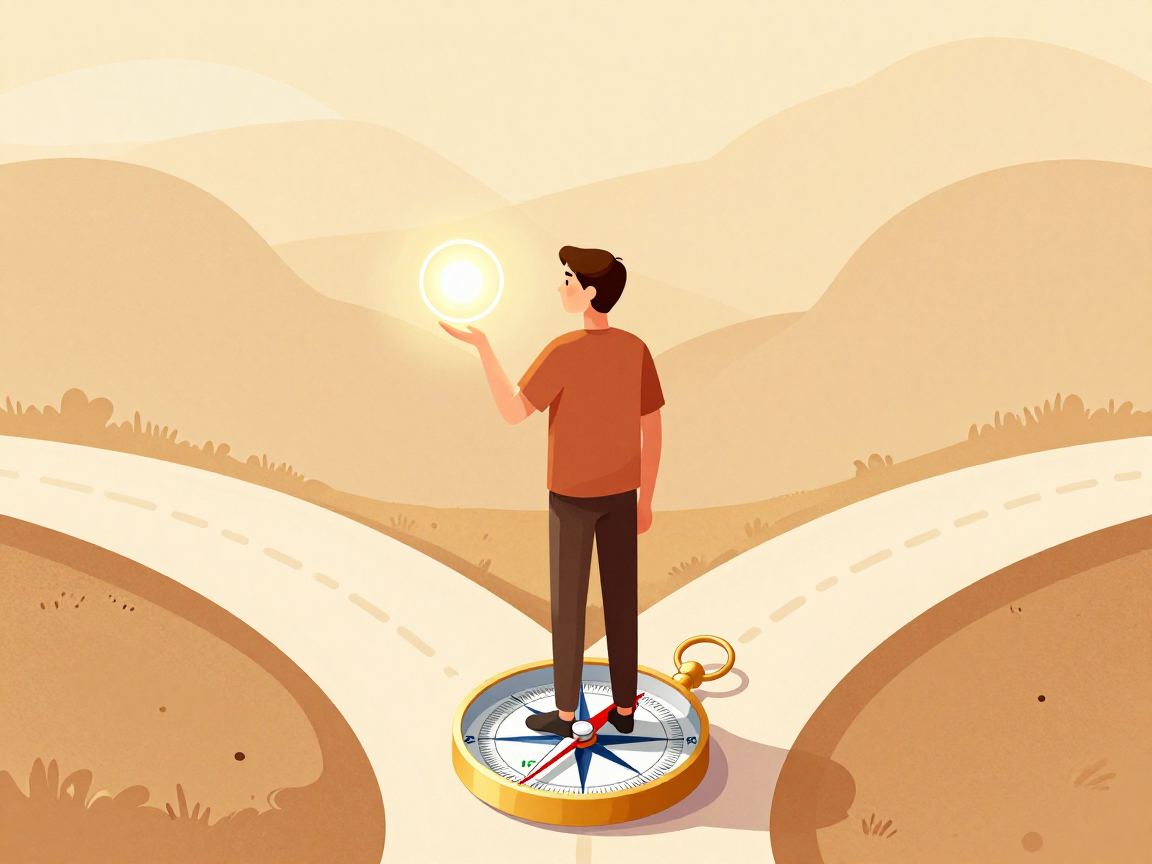
1. Identify Your "Internal Compass"
Before you can communicate a boundary, you have to know where your limit actually is. Pay attention to your body. When someone asks for a favor, do you feel an immediate sense of dread or a physical "clench" in your gut? That is your internal compass telling you that your limit has been reached. Give yourself permission to acknowledge that feeling without immediately trying to talk yourself out of it.
2. The "Buy Time" Strategy
The fear of setting boundaries often causes us to give an impulsive "yes" just to stop the discomfort of the moment. Break this habit by using a transition phrase. Try saying, "Let me check my calendar and get back to you", or "I need to think about that, I'll let you know by tomorrow". This creates a buffer zone where you can decide on your answer away from the pressure of the other person's presence.
3. Practice Small-Scale Limits
You don't have to start by confronting your most demanding family member. Start small. If a server gets your order wrong at a restaurant, politely ask for it to be corrected. If a friend asks to meet at a time that is slightly inconvenient, suggest an alternative. These small wins prove to your nervous system that the world does not end when you speak up for yourself.
4. Use "I" Statements to Minimize Conflict
Much of the fear of setting boundaries stems from a desire to avoid an argument. You can reduce defensiveness by focusing on your own experience rather than the other person's behavior.
- Instead of: "You always interrupt me when I'm working."
- Try: "I find it hard to get back into my flow when I'm interrupted, so I'm going to keep my door closed for the next hour."
5. Tolerate the "Guilt Gap"
This is the most critical step. When you start setting boundaries, you will feel guilty. This guilt is not a sign that you have done something wrong; it is simply a sign that you are breaking an old pattern. Allow the guilt to exist without letting it dictate your actions. Over time, the guilt will be replaced by a sense of self-respect.
Navigating the Response of Others
One of the most common questions regarding the fear of setting boundaries is: "What if they get mad?". It is a valid concern, and the reality is that some people might indeed react poorly. People who have benefited from your lack of boundaries are the ones most likely to push back when you finally implement them. They may use guilt trips, tell you that you've "changed", or accuse you of being selfish.
It is helpful to view this pushback as a form of "extinction burst". In behavioral psychology, an extinction burst is a temporary increase in a behavior when it is no longer being reinforced. If someone is used to you always saying yes, they will try harder to get that "yes" when you first say no. If you can hold your ground through this initial period of discomfort, the other person will eventually learn the new rules of the relationship - or they will exit your life, making room for people who respect your autonomy.
Communication Scripts for Common Scenarios
Sometimes, having the right words ready can significantly lower the fear of setting boundaries. Here are a few templates you can adapt for different areas of your life:
- At Work: "I appreciate you thinking of me for this project. However, my current capacity is full, and I wouldn't be able to give this the attention it deserves. Which of my current tasks should I deprioritize to make room for this?"
- With Friends: "I'd love to see you, but I've had a really draining week and I need some solo time to recharge tonight. Let's aim for next Saturday instead."
- With Family: "I know you're coming from a place of love, but I'm not looking for advice on this topic right now. I'd just like you to listen."
- With Romantic Partners: "I feel overwhelmed when we discuss finances late at night. Can we schedule a time on Sunday morning to talk about this when we're both well-rested?"
The Path to Authentic Connection
Ironically, the fear of setting boundaries often prevents the very thing we crave: genuine connection. When we hide our needs and preferences to keep the peace, we aren't actually being seen by others. We are presenting a curated, "easy" version of ourselves that doesn't actually exist. This leads to a profound sense of isolation.
By overcoming the fear of setting boundaries, you allow your relationships to become honest. You move from a state of "peace-keeping" (which is often just suppressed conflict) to "peace-making" (which is the resolution of differences). It takes courage to be the person who says, "This is what I need", but the reward is a life where your time and energy are spent on things that truly matter to you.
Remember that boundaries are not walls meant to keep people out; they are gates meant to let the right things in. As you begin to value your own limits, you will find that you have more energy, less resentment, and a deeper capacity for true, non-resentful generosity. The fear may never disappear entirely, but it no longer has to be the one driving the car.