Beyond the Fear of Abandonment: How to Navigate Dating with Anxious Attachment and Build Real Security
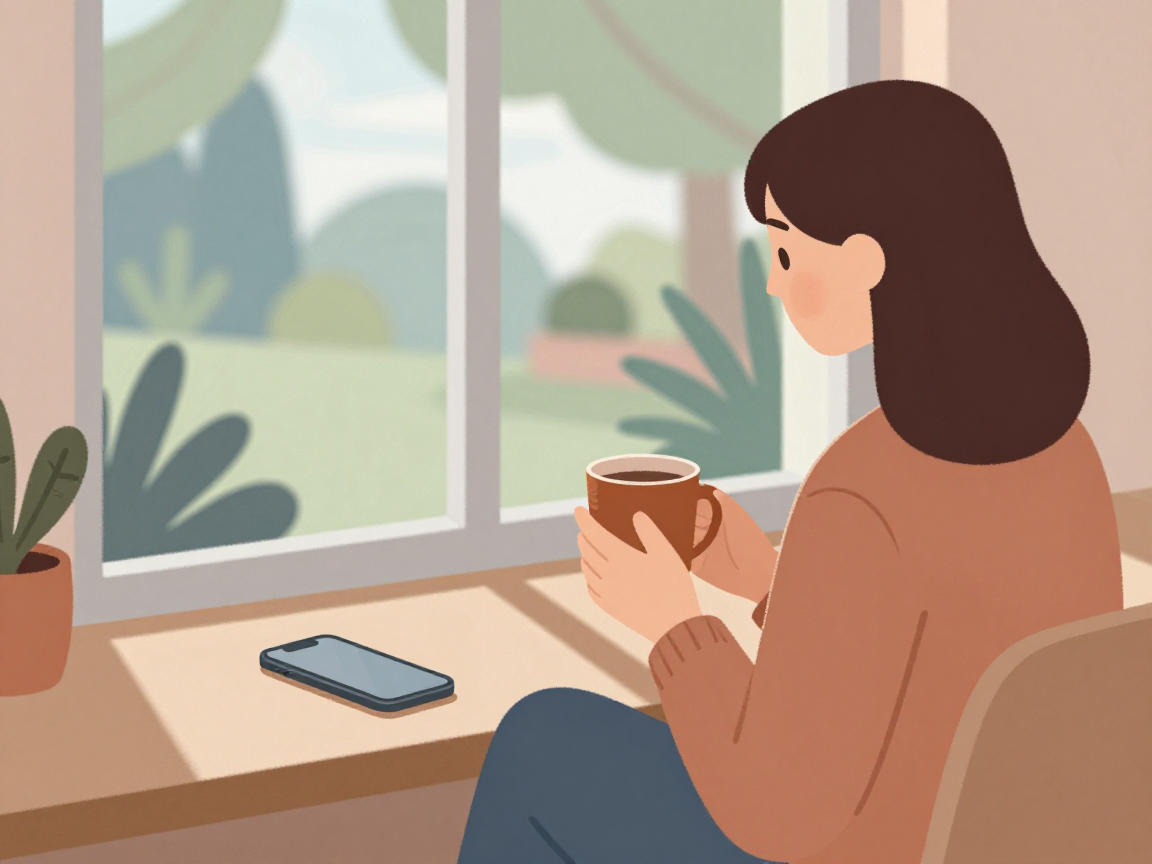
For many, the early stages of a romance are filled with excitement and butterflies. But when you are dating with anxious attachment, those butterflies often feel more like a swarm of hornets. A delayed text message becomes a sign of impending abandonment. A partner's need for a quiet night alone is interpreted as a loss of interest. The mind becomes a master of worst - case scenarios, constantly scanning for evidence that the connection is about to dissolve.
This experience is not a character flaw or a sign that you are too much. It is a biological and psychological response rooted in your attachment style. Understanding how your nervous system functions in the context of intimacy is the first step toward moving from a place of panic to a place of peace. By learning to navigate the unique challenges of dating with anxious attachment, you can stop reacting to perceived threats and start building the consistent, secure love you deserve.
The Anatomy of the Anxious Blueprint
Attachment theory suggests that our early experiences with caregivers create a mental blueprint for how we relate to others in adulthood. Those who identify with an anxious attachment style often grew up with inconsistent caregiving. Sometimes the caregiver was present and attuned; other times they were distracted, intrusive, or emotionally unavailable. This inconsistency taught the developing child that love is unpredictable and must be earned through hyper - vigilance.
In adulthood, dating with anxious attachment manifests as a high sensitivity to a partner's moods and actions. You might find yourself over - analyzing every interaction, seeking constant reassurance, or feeling a deep sense of unworthiness when a partner creates space. This is known as a hyper - activated attachment system. Your brain is essentially stuck in a state of high alert, perpetually looking for the safety that was never guaranteed in childhood.
When the attachment system is activated, it triggers what psychologists call protest behaviors. These are actions intended to re - establish contact and get a response from a partner. Common protest behaviors include excessive texting, playing games to get attention, or making threats to leave in hopes that the partner will beg you to stay. While these behaviors are meant to create closeness, they often have the opposite effect, pushing a partner away and reinforcing the very abandonment you fear.
The Anxious - Avoidant Trap
One of the most common hurdles when dating with anxious attachment is the magnetic pull toward avoidant partners. This is often referred to as the anxious - avoidant dance. Avoidant individuals value independence and often distance themselves when intimacy becomes too intense. To an anxious person, this distancing feels like a direct threat, which triggers more protest behavior. The avoidant person then feels pressured and withdraws further, creating a painful cycle.
Why does this happen? On a subconscious level, the avoidant partner feels familiar. Their inconsistency mirrors the childhood environment where your attachment style was formed. Furthermore, the intense highs and lows of the anxious - avoidant trap can be mistaken for passion. When an avoidant partner finally gives you attention after a period of distance, your brain receives a massive hit of dopamine. This creates an addictive cycle where the relief of reconciliation is confused with true emotional security.
A Framework for Secure Dating: The Anchor Method
To break the cycle and find stability, you need a structured approach to manage your internal state while getting to know someone new. The following five - step framework is designed to help you stay grounded when dating with anxious attachment.
- Self - Soothed Regulation
Before you reach out to a partner for reassurance, you must learn to provide it for yourself. When you feel the familiar surge of anxiety, name it. Tell yourself, "My attachment system is activated right now!" Use physical grounding techniques like deep breathing or cold water on your face to signal to your nervous system that you are safe in the present moment.
- The 24 - Hour Pause
In the heat of a triggered moment, your perception is distorted. If you feel the urge to send a confrontational text or ask for reassurance for the fifth time in a day, commit to a 24 - hour pause. Often, the intensity of the feeling will subside, allowing you to communicate from a place of clarity rather than desperation.
- Objective Evidence Logs
Anxious attachment thrives on stories we tell ourselves. To counter this, keep a list of objective facts. If you think "they are losing interest?", look at your log. Did they call yesterday? Did they plan a date for Friday? Fact - checking your anxiety helps bridge the gap between your fears and reality.
- Gradual Vulnerability
One common mistake when dating with anxious attachment is over - sharing or moving too fast in an attempt to lock in the relationship. Practice pacing yourself. Share small pieces of your inner world and see how the other person responds. Does they meet your vulnerability with care and consistency? This allows you to vet them properly before you are fully emotionally invested.
- Developing a Life Beyond the Connection
Anxiety grows in a vacuum. If a new dating interest is your only source of excitement, the stakes feel life - or - death. Prioritize your hobbies, friendships, and career. The more full your life is, the less power a single text message (or lack thereof) has over your emotional well - being.
Communicating Your Needs Without Fear
One of the biggest fears for those dating with anxious attachment is being seen as "needy" or "too much". This fear often leads to self - silencing, which only increases internal pressure. The truth is that everyone has needs. The difference lies in how those needs are expressed. Secure communication is direct, vulnerable, and non - accusatory.
Instead of saying, "You never text me back and it makes me feel like you don't care!", try a more secure approach. You might say, "I really value staying in touch throughout the week. It helps me feel connected to you. Could we find a rhythm that works for both of us?"
By framing your needs as a way to build a better connection rather than a critique of their character, you give a partner the opportunity to meet you where you are. If a person is consistently unable or unwilling to meet basic needs for communication and reassurance, that is vital information. It suggests they may not be the right partner for someone who values close emotional proximity.
Spotting the Secure Partner
If you are used to the roller coaster of the anxious - avoidant dance, a secure partner might initially feel boring. Secure individuals are consistent. They say what they mean and do what they say. There is no mystery to solve and no chase to engage in.
When dating with anxious attachment, you must consciously recalibrate your "attraction compass". Look for these traits in a potential partner:
- Consistency: They don't disappear for days at a time.
- Transparency: They are clear about their intentions and feelings.
- Emotional Availability: They are comfortable with closeness and don't pull away when things get serious.
- Conflict Resolution: They view disagreements as problems to be solved together rather than reasons to leave.
At first, this stability might lack the frantic spark you are used to. However, over time, you will find that the peace provided by a secure partner allows you to flourish in other areas of your life. You no longer spend eighty percent of your mental energy managing relationship anxiety, freeing you up to pursue your passions and goals.
The Role of Self - Compassion in Healing
Healing from anxious attachment is not about becoming a different person; it is about becoming a better friend to yourself. When you find yourself spiraling, the worst thing you can do is judge yourself for being anxious. Shame only adds fuel to the fire.
Practice speaking to your inner child. Recognize that the part of you that is terrified of abandonment is just trying to protect you. It is a survival mechanism that was once necessary but is no longer serving you in your adult relationships. Gently remind yourself that you are an adult now, and even if a relationship doesn't work out, you have the resources to take care of yourself. You are no longer the helpless child waiting for a caregiver to return.
Navigating the Journey Toward Secure Attachment
Moving toward a secure attachment style - often called "earned security" - takes time and intentionality. It involves a combination of choosing the right partners and doing the internal work of regulation. There will be days when the old patterns return and the panic feels overwhelming. This is part of the process.
Each time you choose to self - soothe instead of lash out, or each time you choose a consistent partner over a charming but distant one, you are re - wiring your brain. You are teaching your nervous system that intimacy does not have to be synonymous with instability. Dating with anxious attachment is a journey of learning that your worth is not tied to someone else's response time. As you grow more secure within yourself, the world of dating transforms from a battlefield into a playground where you can explore connection with confidence and grace.