Beyond the Script: Why Authentic Marketing is the Only Way to Build Lasting Trust
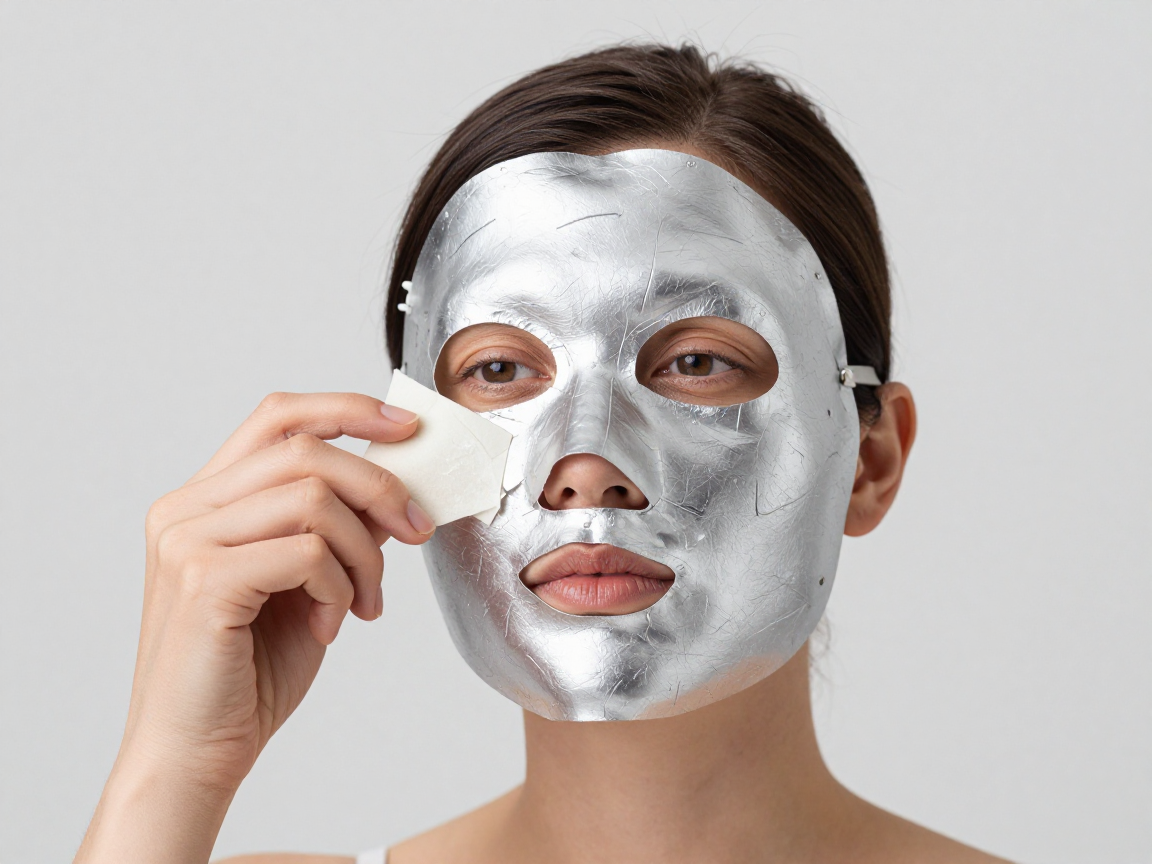
We live in an age of unprecedented digital noise. Every time we open a social media app or browse a website, we are met with a barrage of highly polished, meticulously curated messages designed to extract our attention and our money. For decades, the standard operating procedure for brands was to present a facade of perfection - a flawless image that suggested their products or services were the ultimate solution to our deepest insecurities. But the tide is turning. The modern consumer has developed a finely tuned radar for anything that feels manufactured, scripted, or insincere. This shift has given rise to a movement that is no longer optional for businesses that want to survive: authentic marketing.
Authentic marketing is not a clever tactic or a temporary trend to be exploited. It is a fundamental shift in how businesses relate to their audience. It requires moving away from the traditional model of persuasion and toward a model of genuine connection. At its core, it is about aligning what a company says with what a company actually does, and doing so with a level of transparency that might feel uncomfortable to the traditional corporate mindset. When you stop trying to sell and start trying to serve and connect, the entire dynamic of the relationship changes. You are no longer a faceless entity shouting into a megaphone; you become a trusted partner in the consumer's journey.
The Erosion of Trust in a Filtered World
The demand for authentic marketing is largely a reaction to the "uncanny valley" of digital perfection. For years, we have been fed images of perfect lives, perfect bodies, and perfect businesses. However, as consumers, we have realized that these images are rarely representative of reality. When a brand only shows its wins and never its struggles, it creates a psychological distance. We cannot relate to perfection because humans are inherently imperfect. This disconnect creates a sense of skepticism that is difficult to overcome with traditional advertising budgets.
Today, trust is the most valuable currency in the marketplace. Research consistently shows that consumers - particularly younger generations like Gen Z and Millennials - are more likely to buy from brands that demonstrate a sense of purpose and social responsibility. They want to know who is behind the brand, what they stand for, and whether they can be trusted to tell the truth even when it is inconvenient. In this environment, authentic marketing is the only way to build a bridge across the gap of skepticism. It is the process of stripping away the corporate jargon and the filtered imagery to reveal the human heart of the business.
What Authentic Marketing Actually Looks Like
There is a common misconception that authentic marketing simply means posting grainy photos or using a more casual tone on social media. While those things can be a part of it, true authenticity goes much deeper. It is about integrity across every touchpoint of the customer experience. If your marketing claims that you value sustainability, but your packaging is filled with non-recyclable plastic, your marketing is not authentic - it is performative. Authenticity requires a radical alignment between your internal values and your external messaging.
It also means having the courage to be vulnerable. This might involve admitting to a mistake publicly, sharing the "behind the scenes" struggles of developing a product, or being transparent about pricing and profit margins. Vulnerability is powerful because it is human. When a brand says, "We messed up, and here is how we are fixing it", it builds more trust than a brand that attempts to hide its flaws under a mountain of PR spin. Authentic marketing turns your imperfections into an opportunity for deeper connection.
The 6-Step Framework for Radical Authenticity
Transitioning to a more human centric approach requires a deliberate strategy. You cannot simply flip a switch and become authentic overnight. It requires unlearning many of the habits taught in traditional marketing schools. Here is a framework to help you navigate this transition:
- Define Your Non-Negotiables: Authenticity starts with a clear understanding of your core values. What does your brand stand for when there is no profit on the line? If you don't know your values, you cannot be authentic to them. Write them down and ensure every team member understands them.
- Shift from "USP" to "Shared Values": Instead of focusing solely on your Unique Selling Proposition (the thing that makes you better), focus on what you share with your audience. What do you both care about? What problems are you both trying to solve? Marketing becomes a conversation when it is based on shared beliefs.
- Audit Your Voice: Look at your current communication. Does it sound like it was written by a legal department or by a person? Authentic marketing requires a human voice. Use the language your customers use. Avoid buzzwords that have lost their meaning, like "disruptive", "synergy", or "world class".
- Practice Radical Transparency: Open the curtains. Show your process, your people, and your challenges. If you have a supply chain, show where the materials come from. If your team is remote, show how you work together. The more your audience knows about how the sausage is made, the more they will trust the final product.
- Prioritize Relationships Over Transactions: Stop viewing every interaction as a lead or a conversion. Focus on building a community. Engage in the comments, ask for feedback, and genuinely listen to the answers. Sometimes, the most authentic thing you can do is tell a customer that your product is not the right fit for them.
- Own Your Mistakes: When things go wrong - and they will - don't hide. Address the issue head on with honesty and empathy. A sincere apology and a clear plan for improvement can transform a negative experience into a moment of extreme brand loyalty.
The Human to Human (H2H) Mindset
We often talk about B2B (business to business) or B2C (business to consumer), but the reality of the modern economy is H2H: human to human. People do not buy from corporations; they buy from the people they believe represent those corporations. Authentic marketing is the practical application of this mindset. It recognizes that on the other side of the screen is a person with fears, desires, and a limited amount of time. Respecting that person means being honest with them.
This shift also changes how we measure success. While metrics like CTR and conversion rate are still important, authentic marketing places a high value on qualitative data. Are people talking about your brand in a positive way? Are they defending you in the comments? Are they staying with you for years rather than months? These are the signs of a brand that has mastered the art of being real. When you build a foundation of trust, you don't have to shout as loud to be heard. Your audience becomes your megaphone.
Avoiding the Pitfalls of "Performative" Authenticity
As authentic marketing becomes more popular, there is a rising danger of it becoming another weaponized tactic. This is known as performative authenticity - when a brand tries to "act" authentic to achieve a specific result. This usually manifests as "vulnerability porn" where a founder shares a deeply personal story solely to drive engagement, or when a brand jumps on a social cause only because it is trending.
Consumers can see through this almost instantly. Performative authenticity is actually more damaging to a brand than traditional, cold marketing because it feels like a betrayal. To avoid this, every piece of content or communication should pass the "Why" test. Why are we sharing this? If the answer is "to get more likes", it might not be authentic. If the answer is "to provide value or show who we really are", then you are on the right track.
A Quick Checklist for Your Next Campaign
Before you hit publish on your next piece of content or launch a new initiative, run it through this authenticity filter:
- Does this sound like a real person said it?
- Is this consistent with our documented core values?
- Are we being honest about the limitations of our product or service?
- Is the primary goal of this to help the customer or just to make a sale?
- If a customer asked a difficult question about this, would we be comfortable answering it honestly?
- Are we using a filter (literal or metaphorical) to hide something we are ashamed of?
The Long Term ROI of Being Real
It is easy to get discouraged by the slower pace of authentic marketing. It takes time to build a reputation, and it takes even longer to rebuild one that has been damaged. In a world of "growth hacks" and instant gratification, the path of honesty can feel like the long way around. However, the ROI of authenticity is found in its resilience.
Authentic brands don't just survive market shifts; they thrive during them because their audience is emotionally invested in their success. When you practice authentic marketing, you aren't just building a customer base - you are building a movement. You are creating a space where people feel seen, heard, and respected. In the end, that is what every consumer is looking for. They don't just want a product; they want to feel like they belong to something real. By choosing the path of authenticity, you give them exactly that, and you build a business that stands the test of time.